

The Rise of 'Travel Burnout'
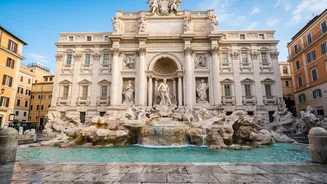
For decades, the mark of a 'good' vacation was a camera roll filled with iconic landmarks and a schedule packed from dawn to dusk. This approach, often called 'checklist tourism', prioritises seeing as much as possible. However, many are now questioning
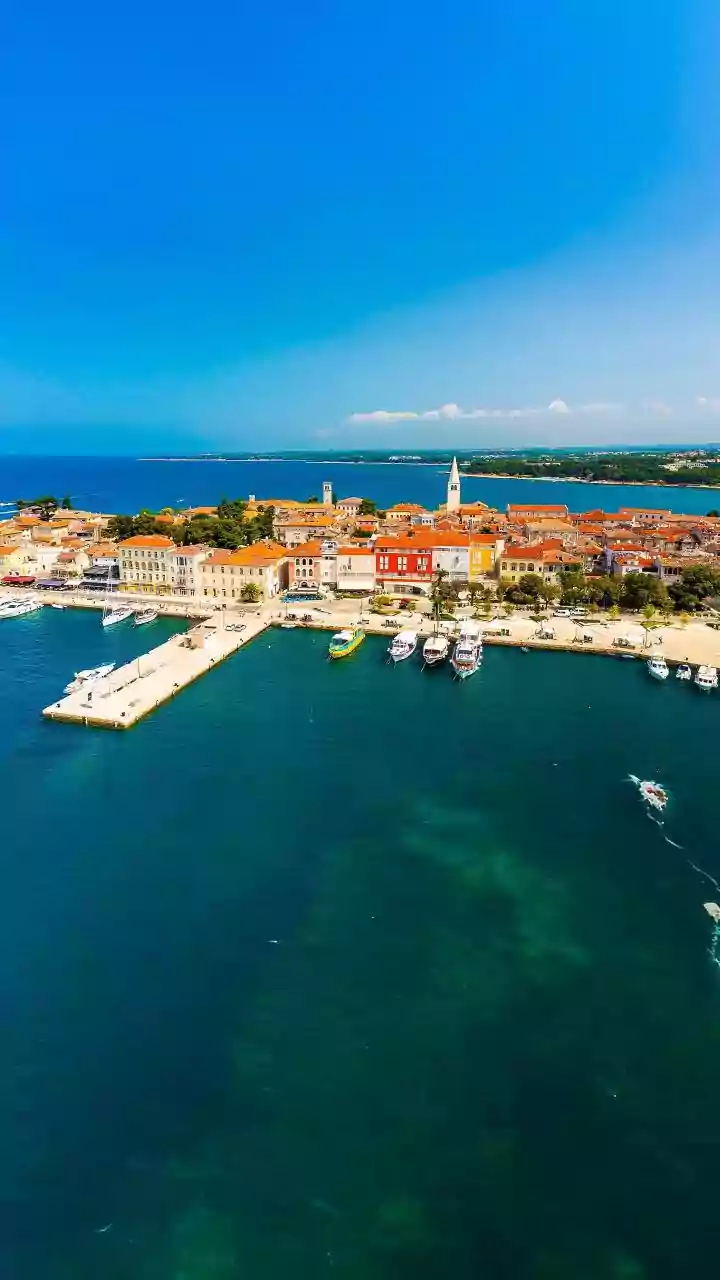
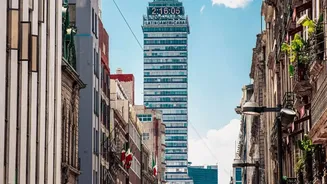
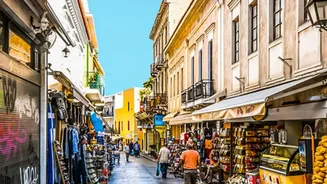
the payoff. The reality of these trips often involves long queues, dense crowds, and a feeling of being rushed, which can lead to stress and disappointment. This phenomenon, known as overtourism, not only diminishes the travel experience but also strains local infrastructure and communities in popular destinations like Venice and Barcelona. As a result, a significant number of travellers are now actively seeking to avoid these overwhelmed hotspots, looking for a more peaceful and authentic experience.
What Is Slow Travel, Anyway?
Emerging as a direct response to this travel fatigue, the slow travel movement encourages a shift in mindset. Born from the 'Slow Food' movement in Italy, it applies the same philosophy to travel: quality over quantity. It's not necessarily about the speed of your transportation, but about your intention. Slow travel champions spending longer in a single location, allowing for a deeper, more meaningful connection with the place, its culture, and its people. Instead of rushing between cities, the goal is to immerse yourself in the daily rhythm of a single community, support local businesses, and allow for spontaneity. It's about trading a frantic itinerary for a chance to truly rest, reflect, and be present.
The Undeniable Allure of the Lakeside Cabin
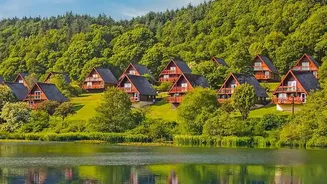
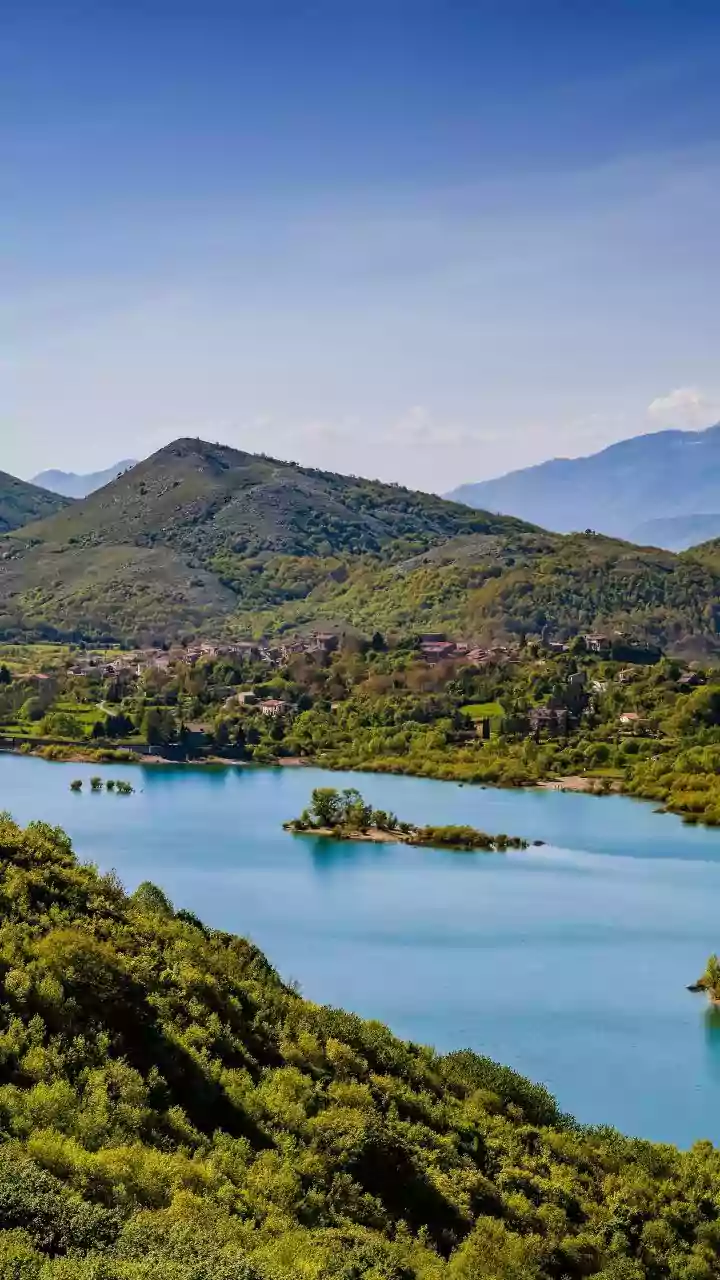
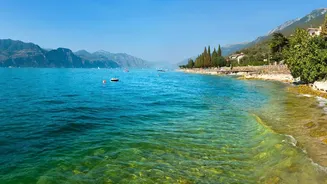
The lakeside cabin is a perfect symbol of the slow travel ethos. It represents a deliberate retreat from the noise and demands of modern life. Here, the agenda is refreshingly simple: wake up without an alarm, read a book by the water, go for a walk, and enjoy meals without distraction. This environment provides a powerful antidote to digital overload and chronic stress. Scientific research confirms that spending time in nature has profound benefits for mental health; it can lower stress hormones like cortisol, improve mood, and restore mental energy. The serene sounds and sights of a natural setting, like a quiet lake, engage our senses in a gentle way that promotes calm and mindfulness.
Trading Spectacle for Stillness
When you compare the two experiences, the appeal becomes clear. One involves jostling for a photo in a crowded square, while the other offers a quiet morning watching mist rise off the water. One is about proving you were there; the other is about simply being there. This shift redefines what 'luxury' in travel means. Increasingly, luxury isn't about five-star hotels or expensive restaurants, but about privacy, quiet, and space. Travellers are realising that the most memorable moments are often the unplanned, simple ones: a conversation with a local shop owner, discovering a hidden path, or simply having the time to let your mind wander without a schedule. It’s a move away from collecting destinations to collecting moments of genuine peace and connection.
Finding Your Own Slow Escape
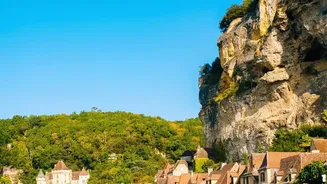
Embracing slow travel doesn't necessarily require a remote cabin. The principles can be applied to any trip. Consider visiting one city instead of three, or exploring a lesser-known region within a popular country. Opt for a walk without a map, allowing for serendipitous discoveries. Prioritise local experiences by staying in family-run guesthouses or dining at neighbourhood cafes. Even a short digital detox—putting your phone away for a few hours—can help you connect more deeply with your surroundings. The key is to consciously do less. By resisting the urge to see everything, you create the space to experience something more meaningful and return home feeling genuinely restored.