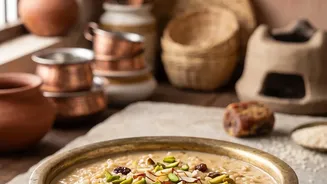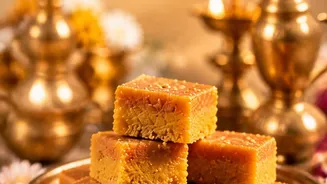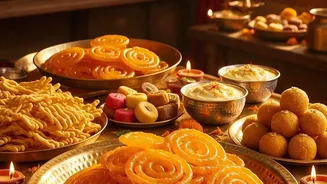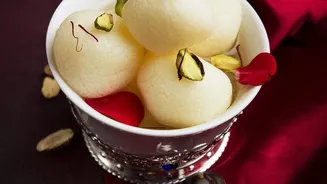

The aroma of freshly made festive sweets is a joy, but keeping them from spoiling is a common worry. Long before refrigeration, our ancestors mastered preservation, and modern science now shows us exactly why their techniques were so effective.
Sugar: The Oldest Preservative
For centuries,
sugar has done more than just sweeten our mithai. When used in high concentrations, as in gulab jamun syrup or the base of kaju katli, sugar acts as a powerful natural preservative. Food science explains this through the principle of 'water activity'. Sugar molecules bind with water in the sweet, making that moisture unavailable for the growth of bacteria, moulds, and yeast that cause spoilage. This is why sweets with a very high sugar content or those cooked to a dry, crystalline state often have a longer shelf life even at room temperature.
The Golden Shield of Ghee
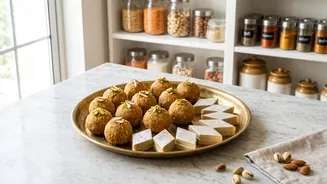
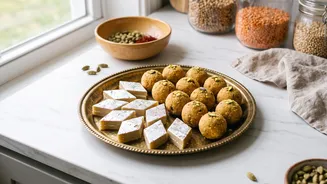
Ghee, or clarified butter, is another cornerstone of traditional sweet-making and preservation. The process of making ghee involves removing milk solids and water, leaving behind almost pure fat. This extremely low moisture content makes ghee itself highly resistant to microbial spoilage. When used in sweets like besan ladoo or Mysore pak, ghee coats the other ingredients, creating a barrier that limits exposure to air and moisture. This slows down both microbial growth and oxidation, the chemical reaction with air that causes staleness and off-flavours, keeping the sweets fresh for weeks.
Spices with a Secret Power
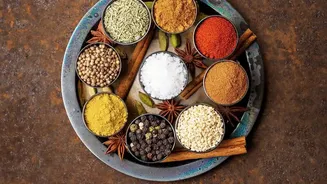
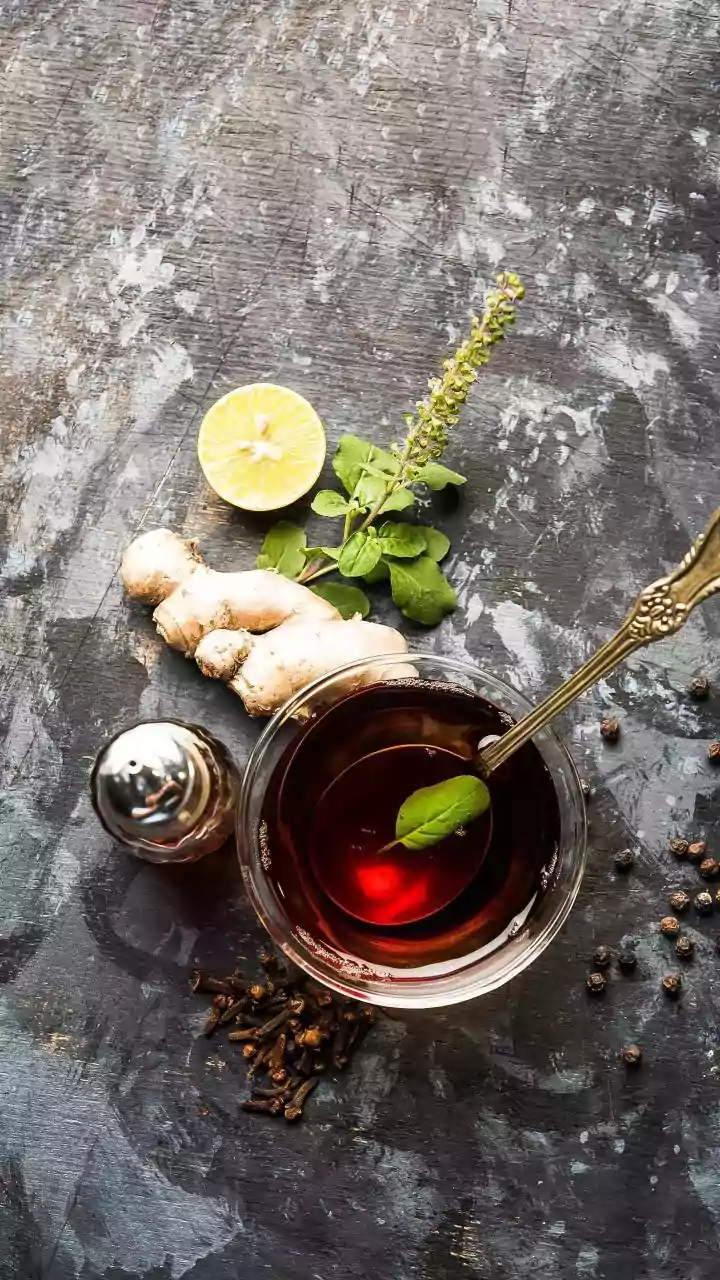
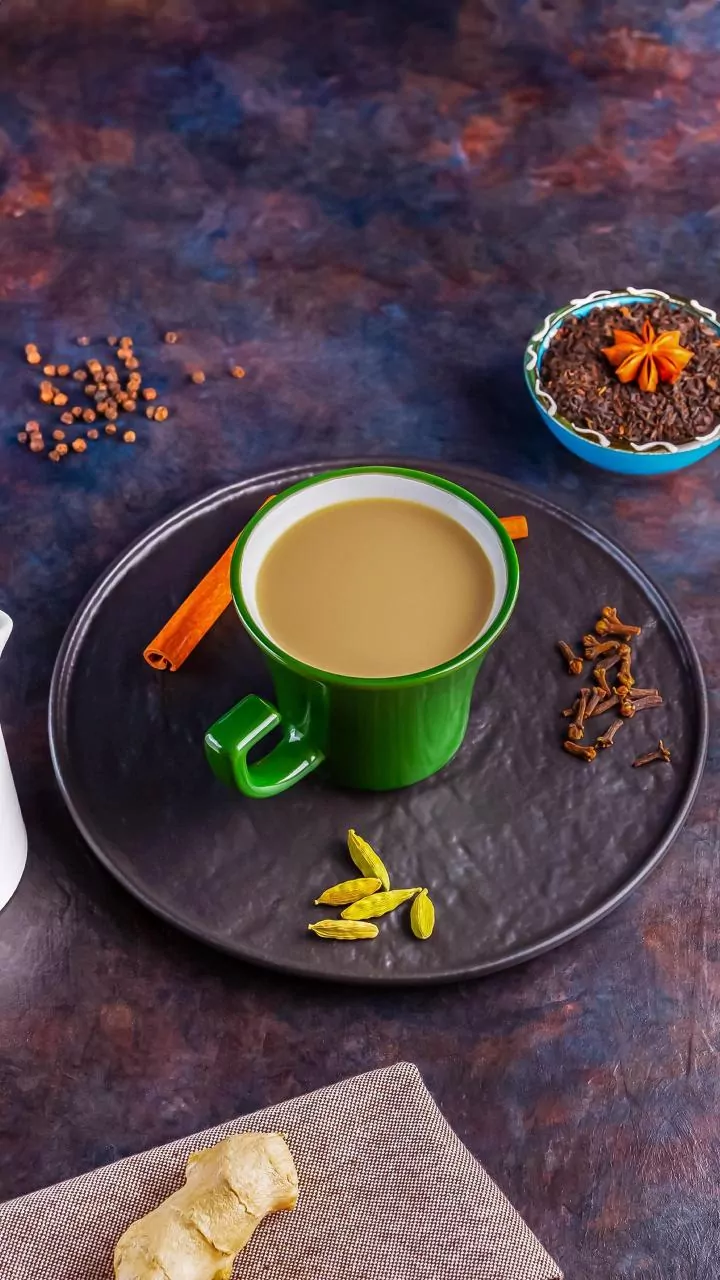
Spices like cloves, cardamom, and cinnamon are not just for flavour and aroma; they are potent natural preservatives. Scientific studies have confirmed that these spices possess significant antimicrobial and antifungal properties. Clove, in particular, has been shown to be one of the most effective, thanks to a compound called eugenol. Cardamom also exhibits activity against undesirable microbes. This is why a pinch of these spices, a common practice in many traditional recipes, contributes to the overall safety and longevity of homemade sweets by actively inhibiting the growth of spoilage microorganisms.
The Art of Cooking and Cooling
The very method of preparation is a crucial preservation step. Techniques like slowly roasting besan (gram flour) until fragrant or reducing milk for hours to make khoya are designed to drive out as much moisture as possible. As we know, less moisture means a longer shelf life. Equally important is the cooling process. Storing warm sweets in a closed container is a common mistake. The trapped steam condenses into water droplets, creating the perfect humid environment for mould to thrive. Traditional practice and modern food safety agree: always let sweets cool completely to room temperature before packing them away.
Modern Storage Meets Ancient Wisdom
Today, we can enhance these timeless methods with modern storage solutions. While our grandmothers used steel or brass tins, today's airtight containers are even more effective at locking out air and humidity, the two main enemies of freshness. For dry sweets like ladoos, barfis, and chikkis, an airtight container in a cool, dark pantry is perfect. For perishable, milk_based sweets like rasgulla or kalakand, refrigeration is non_negotiable. Store them in a sealed container and consume them within a few days to ensure they remain safe and delicious. Separating different types of sweets also prevents moisture and flavour transfer.