





Understanding the 'Collect Request' Feature
The 'collect' or 'payment request' feature on UPI is designed for convenience. It allows a person or merchant to send you a notification asking for a specific amount of money. For instance, if you owe a friend for dinner, they can send you a collect request for their
share. You then simply review the request, enter your UPI PIN to approve it, and the money is transferred from your account to theirs. The system is efficient and simple, but fraudsters have learned to exploit the very psychology of this convenience. They bank on the user's assumption that all notifications related to money are about receiving it.
The Anatomy of a Classic Scam
The scam is dangerously simple. A fraudster sends you a 'collect request' but frames it as a way for you to receive money. They might call you pretending to be a buyer for an item you've listed online, a customer support agent processing a refund, or someone who has won you a lottery prize. They'll say, "I've sent the money, just approve the request and enter your PIN to receive it." This is a lie. Approving a collect request and entering your UPI PIN always sends money from your account; it is never an action to receive funds. The scammer is relying on you to act quickly, see the amount on the screen, and approve it without reading the fine print which clearly states you are paying them.
Common Traps Where You'll Encounter This Scam
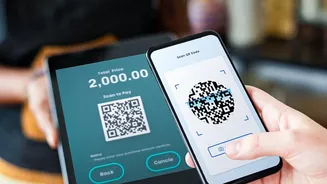
Awareness of common scenarios is your first line of defense. These scams are rampant on online marketplaces where you are a seller. The 'buyer' will agree to the price and then send a payment request, pressuring you to approve it to get your payment. Another frequent trap involves fake refunds for bills or services. A scammer, posing as a representative from a company, will claim you're owed money and send a request for you to 'authorise' the refund. They also use QR codes, asking you to scan a code to receive money, which instead opens a payment screen on your phone for you to send them money. In all these cases, the fraudster creates a sense of urgency or trust to make you lower your guard.
The Unbreakable Rule of UPI Security
There is one golden rule that defeats this scam every single time: You never need to enter your UPI PIN to receive money. A UPI PIN is a security key that authorises your bank to debit your account. It is exclusively for sending money or for checking your account balance. Anyone who tells you otherwise is trying to scam you. Legitimate payments will be credited to your account automatically without you needing to approve anything or enter a PIN. If you get a notification that asks for your PIN to 'accept' or 'claim' funds, it is a fraudulent request to pull money from your account. Treat any such request as an immediate red flag.
Your Action Plan Against Fraud
Protecting yourself is straightforward if you remain vigilant. First, always read the notification on your UPI app screen carefully before acting. It will explicitly state whether you are sending or receiving money. If you receive an unsolicited collect request from an unknown person, the safest action is to decline and block it. Many UPI apps have built-in spam filters that may flag suspicious requests; pay attention to these warnings. If you ever do fall victim to such a scam, you must act immediately. Call the national cybercrime helpline at 1930, report the transaction to your bank, and file a complaint on the National Cyber Crime Reporting Portal. Acting fast increases the chances of the fraudulent transaction being traced and potentially reversed.