

The Pre-Trip Vehicle Check
Before you even put the key in the ignition, a thorough vehicle check is non-negotiable. Start with your tyres, which are your only connection to slippery, unpredictable roads. Ensure they have adequate tread depth to prevent skidding on wet surfaces.
It’s also wise to check the tyre pressure, including the spare. Next, inspect your brakes; they are critical for navigating steep descents safely. If you hear any squealing or feel a reduced response, get them checked immediately. Finally, ensure all your lights—headlights, fog lamps, and brake lights—are working perfectly. Good visibility is not just about seeing the road, but also about being seen by others in heavy downpours or fog. A functional set of wiper blades is just as important for maintaining a clear view of the road ahead.
Landslides and Unstable Slopes
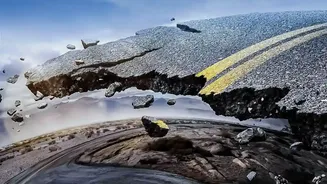
Landslides are the most significant threat during monsoon travel in the hills. Saturated soil on steep slopes can give way without warning, sending mud, rocks, and debris crashing onto roads. Regions like Himachal Pradesh, Uttarakhand, and parts of the Western Ghats are particularly vulnerable. In recent years, monsoon-triggered landslides have frequently blocked major highways, stranding travellers for days. Always check the latest advisories from the India Meteorological Department (IMD) and local authorities before you travel. If a route is known for being fragile or has a history of closures, it is best to consider a safer alternative or postpone your trip. Never try to drive around barriers closing a road; they are there for your safety.
Flash Floods and Water Crossings
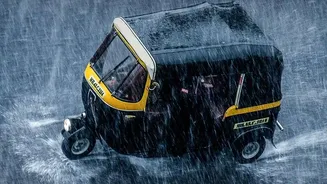
Heavy, localised rainfall can turn gentle streams into raging torrents in minutes, leading to flash floods. This is especially dangerous at low-lying bridges and water crossings (nalas). The force of rushing water is deceptive; just a foot of fast-moving water can carry away a small car. The cardinal rule is: turn around, don't drown. Never attempt to drive through a flooded road or a fast-flowing water crossing, as the road beneath may be washed away. If you get trapped in your vehicle by rising water, do not start the engine, as this can cause fatal damage. Your priority should be to escape the vehicle. Try to roll down the windows immediately. If that fails, you may need to wait for the water pressure to equalize before you can open a door to swim to safety.
Poor Visibility and Treacherous Roads
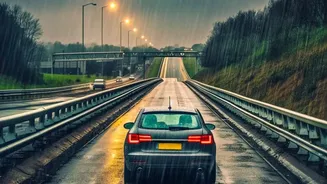
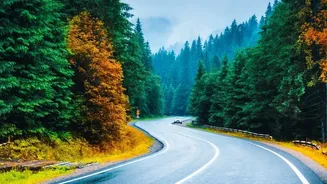
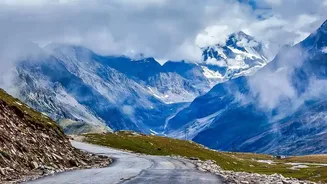
Driving in the mountains during the monsoon often means dealing with a combination of heavy rain, dense fog, and low-hanging clouds, which can reduce visibility to just a few feet. It is essential to reduce your speed, turn on your headlights (not hazard lights), and maintain a much larger following distance than usual. Wet roads significantly increase your vehicle's stopping distance. Be wary of hydroplaning, which can occur at surprisingly low speeds when your tyres lose contact with the road surface. To avoid this, slow down, especially when there is standing water. Experts advise against using cruise control on wet roads, as it makes it harder to react to a sudden loss of traction. If visibility becomes dangerously poor, the safest option is to pull over at a safe spot and wait for conditions to improve.
Plan, Prepare, and Pack Smart
Smart planning is your best defence. Always have a backup route in mind, but consult with locals before taking smaller, unfamiliar district roads, which may be more hazardous. It is strongly advisable to avoid driving in the hills at night during the monsoon, as your ability to spot debris or other hazards on the road is severely diminished. Pack an emergency kit containing extra food, drinking water, a first-aid kit, a powerful flashlight, and fully charged power banks. Given the high probability of delays and road closures, having these essentials can make a huge difference if you get stranded. Finally, keep your travel itinerary flexible and book accommodation that allows for last-minute cancellations. Prioritising caution over a rigid schedule is the key to a safe monsoon journey.