
Don't Skip Meals to 'Save' Calories
It’s a common but counterproductive strategy: starving yourself all day in anticipation of a huge festive dinner. Dietitians warn this approach often backfires. Arriving at a party ravenous makes you more likely to overeat and make less mindful choices.
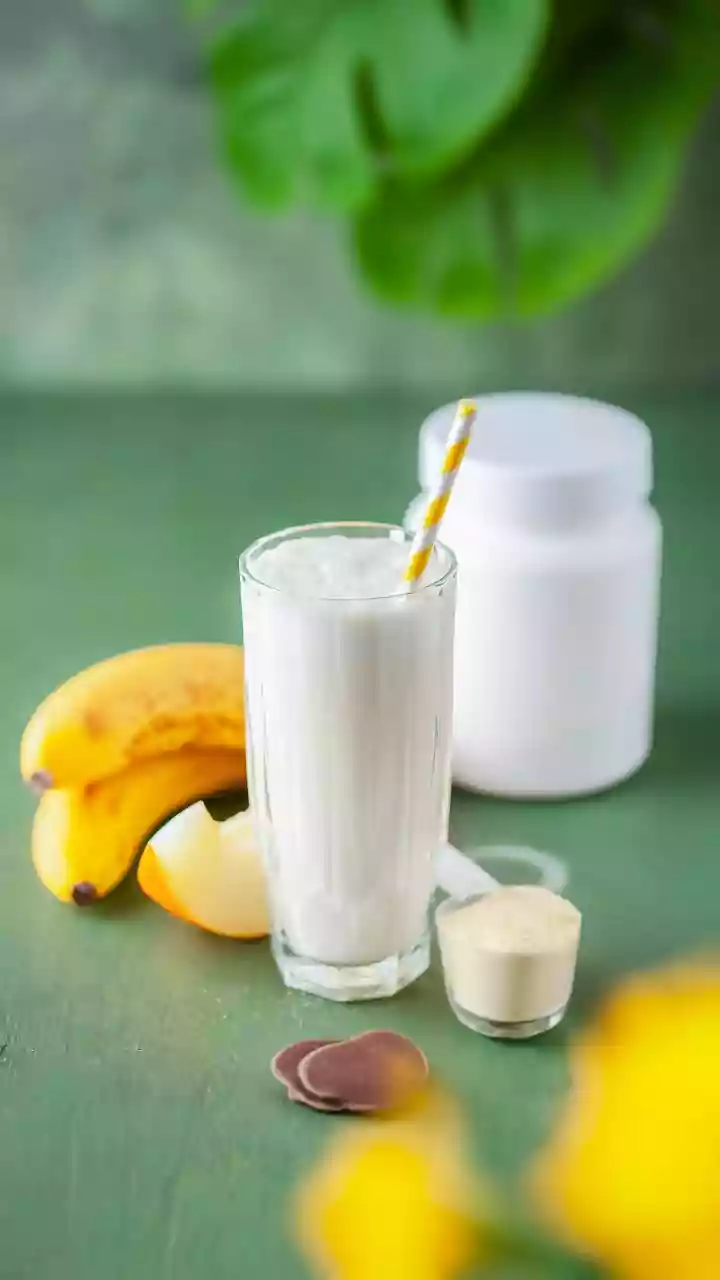
Instead of skipping meals, focus on having a normal, balanced breakfast and lunch. Eating smaller, regular meals helps keep your metabolism steady and your hunger in check, allowing you to savour the feast in moderation rather than devouring it. A small, protein-rich snack before you head out can be particularly effective. Think of it as a pre-game for your stomach, setting you up for success.
Hydration Is Your Best Friend
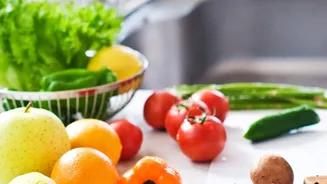
Water is a critical, yet often overlooked, component of digestive health and energy. Proper hydration helps your body break down food, absorb nutrients efficiently, and prevent the bloating and constipation that can contribute to feeling sluggish. Dehydration forces your digestive system to work harder, which can drain your energy. In the days leading up to a celebration, make a conscious effort to drink plenty of water. Aim for at least eight glasses a day. You can also incorporate hydrating foods like cucumbers, oranges, and watermelon. Staying hydrated before and during the meal can also help you feel full sooner, preventing overconsumption.
Prioritise Fibre and Lean Protein
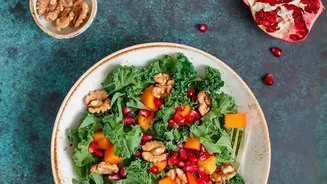
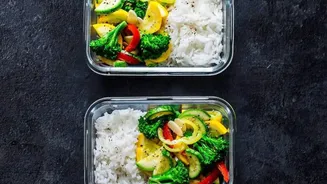
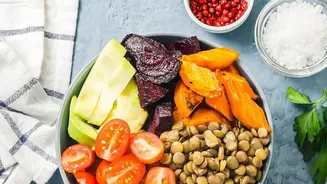
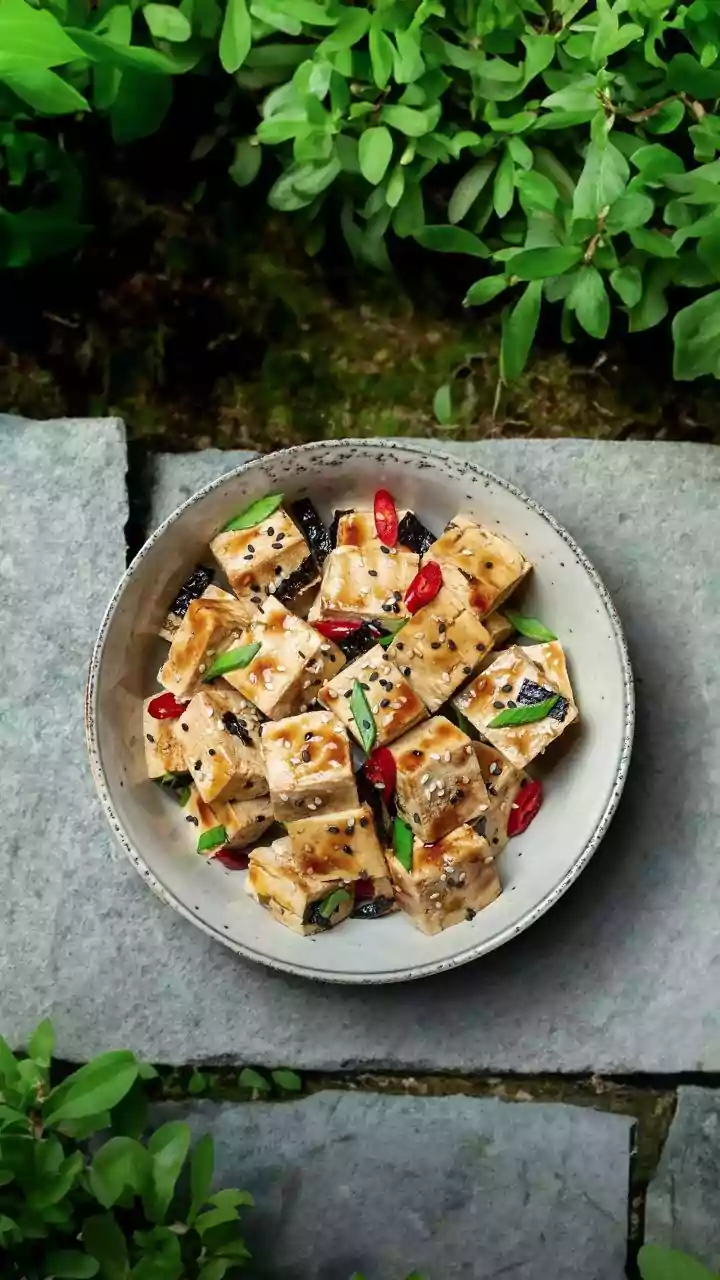
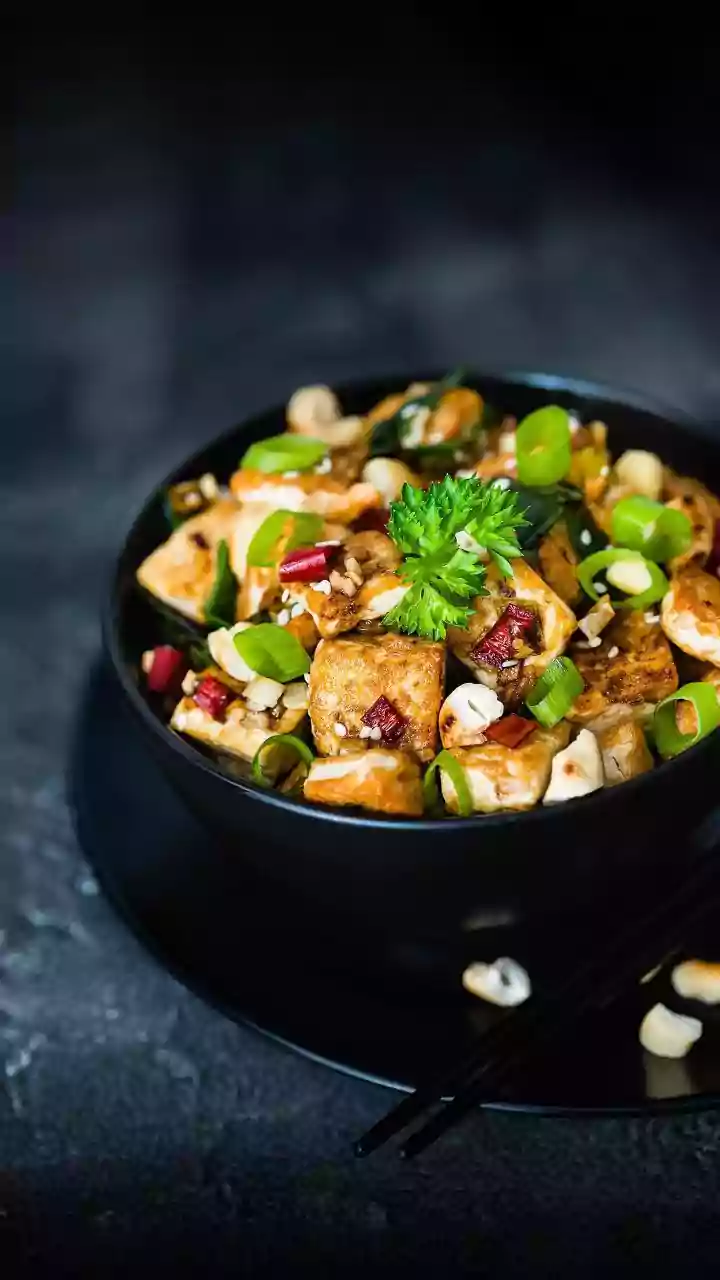
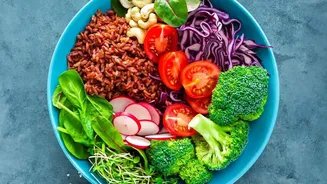
What you eat in the days before the feast matters just as much as the feast itself. Focus on a 'clean' diet rich in whole foods. Emphasise fibre-rich fruits, vegetables, and whole grains. Fibre helps slow the absorption of sugar, preventing the sharp blood sugar spikes and subsequent crashes that cause fatigue. It also promotes gut health and keeps you feeling full longer. Pair these complex carbohydrates with lean protein sources like chicken, fish, tofu, or lentils. Protein is key for stabilising blood sugar and providing sustained energy, ensuring you arrive at the celebration feeling balanced and not driven by cravings for heavy, high-carb dishes.
Prepare Your Gut Microbiome
A healthy gut is your first line of defence against digestive distress. The trillions of bacteria in your gut play a massive role in everything from nutrient absorption to immune function. You can support these beneficial microbes by incorporating fermented foods into your pre-festive diet. Yoghurt, kefir, kombucha, and kimchi are excellent sources of probiotics. These foods help create a resilient gut environment that is better equipped to handle a sudden influx of rich, celebratory food. A high-quality probiotic supplement can also be beneficial in the lead-up to the festive season. A happy gut is better prepared to digest efficiently, reducing the likelihood of gas, bloating, and that heavy, lethargic feeling.
Incorporate Gentle Movement
You don’t need to run a marathon to reap the benefits of exercise. Gentle, consistent movement in the days before a big meal can significantly improve your digestive function and energy levels. Activities like walking, yoga, or stretching help increase blood flow and oxygen circulation throughout your body, which supports the digestive process. Even a short walk after your regular meals can help stabilise blood sugar levels and prevent post-meal grogginess. Maintaining this habit before the festive period ensures your body is primed for efficiency, making it easier to bounce back from a larger-than-usual meal.