




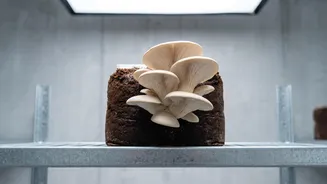
A Circular Solution to a Global Waste Problem
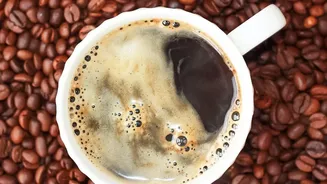
Every year, billions of kilograms of coffee are produced globally, and the vast majority of that plant matter, in the form of spent grounds, is discarded. When this organic waste ends up in landfills, it decomposes and releases methane, a potent greenhouse
gas. However, these grounds are still packed with nitrogen and other nutrients. This has prompted innovators to see them not as waste, but as a valuable raw material. The result is a perfect example of the circular economy in action: taking a plentiful urban waste product and transforming it into a high-value, locally-produced food source. This model reduces landfill pressure, cuts emissions, and creates new business opportunities right in the heart of our cities.
From Coffee Waste to Culinary Delight
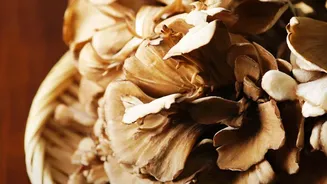
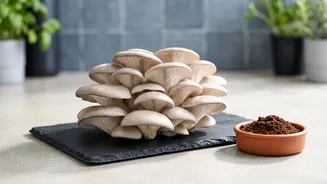
The star of this recycling story is the oyster mushroom (Pleurotus ostreatus). This variety is particularly well-suited for growing on coffee grounds because it colonizes substrates quickly and is resilient. The process itself is surprisingly straightforward. The brewing of coffee effectively pasteurizes the grounds, eliminating many competing microorganisms and saving a significant step in traditional mushroom cultivation. Urban farms collect these fresh grounds from local cafes and restaurants, often providing collection bins to make the process seamless. This creates a symbiotic relationship where cafes reduce their disposal costs and farms get a free, nutrient-rich growing medium.
The Micro-Factory Process
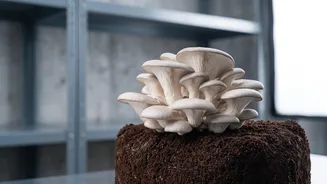
Inside these urban micro-factories—which can be anything from a small warehouse to a repurposed shipping container—the real magic happens. The collected coffee grounds are often mixed with other materials like straw or wood chips to improve aeration and structure, as densely packed grounds can hinder growth. This mixture is then combined with mushroom spawn, which is essentially the seed of the fungus. The blend is packed into large plastic bags or buckets, which are then placed in a dark, warm, and humid incubation room for two to three weeks. During this time, the white, thread-like mycelium spreads throughout the substrate, completely colonizing its new food source. Once fully colonized, the bags are moved to a fruiting room with light and fresh air, and small cuts are made in the plastic. This change in conditions 'stresses' the fungus, encouraging it to produce mushrooms, which can be ready to harvest in just a matter of weeks.
Pioneers of the Urban Farm
This innovative model is not just theoretical; it's being put into practice by startups across the globe. Companies in European cities like London, Paris, and Amsterdam have been at the forefront, collecting grounds from coffee shops to supply local restaurants with fresh mushrooms. In Brussels, the social enterprise PermaFungi was founded on the dual goals of recycling urban waste and creating jobs. From just five tonnes of recycled coffee grounds, they can produce one ton of fresh oyster mushrooms and ten tons of organic fertilizer. In the UK, GroCycle has been a long-time advocate, not only growing mushrooms but also selling kits that allow consumers to try the process at home. These businesses demonstrate that the model is not only environmentally sustainable but also commercially viable, creating local food systems and reducing the carbon footprint of our cities.
Beyond the Mushroom
The lifecycle of the coffee grounds doesn't even end after the mushroom harvest. The leftover substrate, now enriched by the mycelium, makes for an excellent compost and natural fertilizer, completing the circular journey from bean to fungus and back to the soil. Some companies are taking it even further. The Belgian company PermaFungi uses the post-harvest waste to create biodegradable lampshades and insulating tiles, demonstrating that one waste stream can fuel multiple innovations. This holistic approach showcases how creative thinking can turn a simple problem like coffee disposal into a complex solution that benefits the environment, the economy, and our dinner plates.