

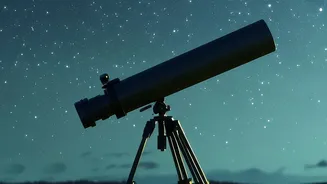

Spiti: An Astronomer's Paradise
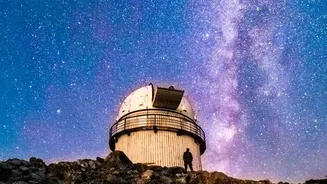
Spiti Valley is a high-altitude cold desert, and its harsh conditions are precisely what make it a world-class destination for stargazing. Located in a rain shadow, the valley experiences minimal cloud cover. At altitudes often exceeding 4,000 meters,
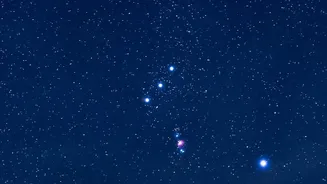
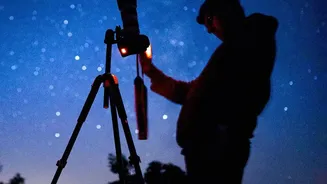
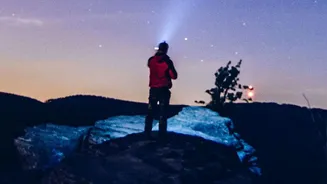
the air is thin and incredibly dry, meaning there's less atmospheric distortion to blur the view. Crucially, its remote villages like Langza, Komic, and Kibber have almost no light pollution, earning a Bortle Scale rating of Class 1 — the darkest sky possible. On a clear, moonless night, the Milky Way can be bright enough to cast a faint shadow, and distant galaxies are visible to the naked eye. This combination of darkness, altitude, and clarity makes it an astrophotographer's dream location.
The Cold, Hard Reality of Power
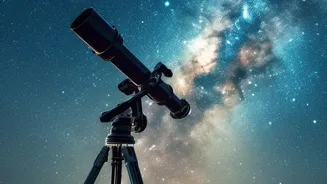
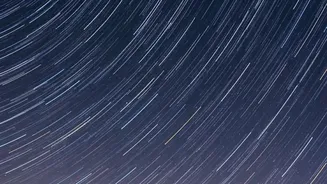
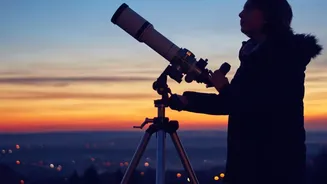
The very elements that make Spiti's sky so clear also create a significant technical problem. Nighttime temperatures frequently drop well below freezing, which is brutal for electronics. All batteries suffer in the cold because low temperatures slow down their internal chemical reactions, which increases internal resistance and reduces their available capacity. A fully charged camera or laptop battery can see its life cut in half or worse, shutting down unexpectedly. This is a critical issue for astrophotography, which relies on long-exposure shots. The most crucial piece of equipment, the telescope's tracking mount, requires a continuous and stable 12V power supply to counteract the Earth's rotation and keep stars from streaking across an image. Any power interruption during a multi-hour imaging session means the shot is ruined, and in Spiti, there are no wall outlets to fall back on.
The Solution: A Reliable Power Station
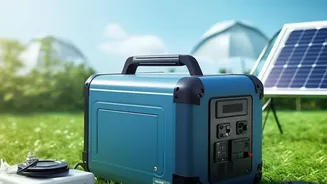
This is where portable power stations become indispensable. These devices are essentially large, self-contained, rechargeable battery packs equipped with a variety of outputs, including AC outlets, 12V DC car sockets, and USB ports. For an astrophotographer in a remote location like Spiti, a power station acts as a personal, off-grid electrical supply. It provides the steady, uninterrupted power needed to run a power-hungry tracking mount for an entire night of imaging. Furthermore, it can simultaneously power other essential gear like dew heaters (which prevent condensation from freezing on lenses), charge camera batteries, and run a laptop used for controlling the equipment. Without a reliable power station, long-exposure astrophotography in such an extreme environment would be nearly impossible.
What to Look For in a Power Station
Not all power stations are created equal, especially for the freezing nights in Spiti. The most important feature is the battery chemistry. Lithium Iron Phosphate (LiFePO4) batteries are highly recommended over standard Lithium-ion (Li-ion) because they are more stable, have a much longer lifespan, and generally perform better at lower discharge temperatures. Capacity, measured in Watt-hours (Wh), is the next key factor. For a typical astrophotography setup including a mount, camera, and a couple of accessories, a capacity of at least 500Wh provides a safe margin for a full night's work. Finally, ensure it has the right outputs. A regulated 12V DC car-style socket is the most efficient way to power most astronomy mounts, while AC and USB ports provide versatility for laptops and other devices.