


The Power of the First Impression
The hallway is the first space that greets you and your guests, setting the tone for your entire home. A well-designed entrance can evoke feelings of comfort, warmth, and personality from the moment someone steps inside. Using colour-blocking—pairing
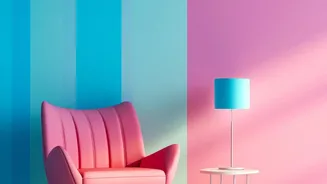
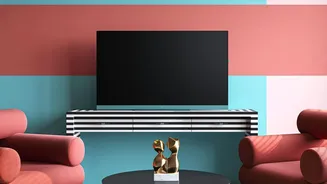
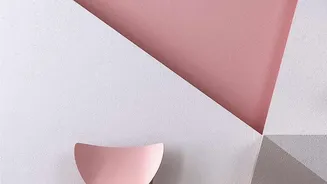
two or more bold, often contrasting, solid colours—is a powerful design technique to create energy and visual interest. When applied through wallpaper, it allows you to define a space, highlight architectural features, or even create the illusion of a different room proportion. This approach turns a simple corridor into a dynamic introduction to your personal style, making it feel intentional and thoughtfully curated rather than just a path from A to B.
Choosing Colours to Create a Welcoming Vibe
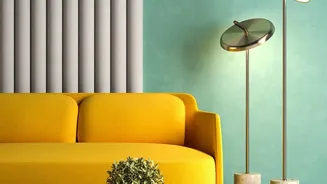
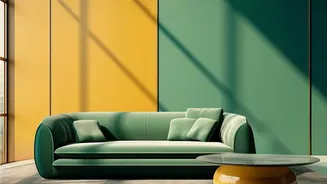
The psychology of colour plays a huge role in creating a welcoming atmosphere. Warm, earthy tones can feel grounding and comforting, while bright, uplifting hues can inject a sense of joy and positivity. When selecting a colour-blocked wallpaper, consider the mood you want to create. A pairing of mossy green and a soft ochre can bring an earthy, natural energy. For a calmer, coastal feel, a block of sandy pink next to a serene blue works wonders. If your hallway lacks natural light, opting for wallpaper with a lighter base colour, such as soft beige or pastel shades, can make the area feel more spacious and bright. Metallic or shimmering accents within a pattern can also help reflect light, adding dimension to narrow spaces.
Mastering Pattern and Scale in Narrow Spaces
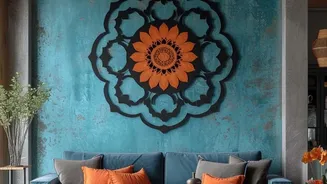
The pattern of your wallpaper is just as important as the colour, especially in hallways and on landings. For long, narrow corridors, vertical stripes or patterns with a clear upward movement can draw the eye toward the ceiling, creating an illusion of height. Conversely, some designers use horizontal stripes to make a space feel wider. If you prefer something less linear, small-scale, delicate patterns like subtle florals or minimalist geometrics are often recommended as they add interest without overwhelming the space. However, a counter-intuitive approach that many designers favour is to go bold with a large-scale pattern on an accent wall, particularly the wall at the end of the hall. This creates a focal point and gives the corridor a sense of destination.
Strategic Application for Maximum Impact
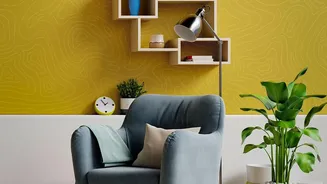
You don't have to wallpaper every surface to achieve a stunning effect. Colour-blocking offers the flexibility to be as bold or as subtle as you like. One popular technique is to apply wallpaper to only the bottom or top third of a wall, using paint on the other portion for a modern take on a dado rail. This adds character without the pattern becoming overwhelming. On a staircase, consider wallpapering only the main wall that follows the incline, creating a dynamic visual line that leads you upstairs. A landing can be treated as a 'mini-room'; papering one wall can create a backdrop for a slim console table, a piece of art, or a statement mirror. This not only adds personality but can make the landing feel like a deliberate pause point in the home.
Beyond the Wallpaper: Completing the Look
To truly make your colour-blocked hallway or landing shine, integrate it with the rest of your decor. Pull one of the colours from the wallpaper and use it for accents in adjoining rooms, like cushions or throws, to create a cohesive flow throughout the house. Lighting is another critical element. Hallways are often dark, so supplement your overhead lighting with wall sconces, which add a soft, ambient glow and reduce shadows. A large mirror is a hallway's best friend; placing one on the wall opposite your wallpaper will bounce light around and double the visual impact of your chosen pattern, making the entire space feel brighter and wider. Finally, keep furniture slim and functional—a narrow console table or a wall-mounted shelf will provide utility without cluttering the walkway.