






The Anatomy of a Flight Ticket
When you purchase a flight ticket in India, the price you pay is much more than just the airline's charge for getting you from point A to B. A significant portion of the total cost, often between 35% and 45%, is composed of various taxes and fees over
which the airline has no control. The price is broadly split into two parts: airline charges and statutory charges. The airline controls the base fare and a fuel surcharge. Everything else—including Goods and Services Tax (GST), airport fees, and other government levies—is collected by the airline on behalf of various authorities. This means only a portion of what you pay actually goes to the airline itself.
The Government's Heavy Hand in Pricing
A major driver of high flight costs in India is the heavy taxation on Aviation Turbine Fuel (ATF). Fuel can account for 40-50% of an airline's operating expenses. Unlike in many other countries, ATF in India is not under the GST regime, allowing individual states to levy high Value-Added Taxes (VAT), sometimes as high as 29%. On top of this, the central government adds its own excise duties. This makes jet fuel in Indian cities significantly more expensive than in global hubs like Dubai or Singapore. Passengers also pay a User Development Fee (UDF) and Passenger Service Fee (PSF) for using airport infrastructure, along with a Regional Connectivity Scheme (RCS) fee that cross-subsidises flights to smaller towns. While individually small, these charges collectively inflate the final ticket price.
The Policy Aimed at Making Flying Affordable
Ironically, a policy designed to make flying cheaper also contributes to the cost. The Ude Desh ka Aam Naagrik (UDAN) scheme aims to connect underserved and unserved airports by providing Viability Gap Funding (VGF) to airlines operating on these less profitable routes. This subsidy is partly funded by a small levy on passengers flying on major routes. So, every time you fly between major cities, a small part of your fare helps to make flights to smaller towns more affordable. The policy has been successful in expanding India's aviation map, adding hundreds of new routes and reviving dozens of airports, but it adds another layer to the complex pricing structure.
The Fierce Battle in the Skies
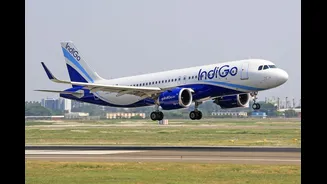
On the other side of the equation is intense market competition. India's domestic aviation market is dominated by a few major players, primarily IndiGo and the Air India group, which together control nearly 90% of the market. This consolidation, following the collapse of airlines like Go First and Jet Airways, has reduced the number of competitors on many routes. Fewer airlines can lead to higher prices, especially during peak seasons when demand surges. Airlines use sophisticated dynamic pricing algorithms that adjust fares in real-time based on demand, seat availability, and competitor pricing. This is why last-minute tickets are often exorbitantly expensive—it’s a direct result of supply and demand at work.
External Shocks and Operational Realities
Beyond domestic policy and competition, global factors also play a crucial role. Conflicts in regions like West Asia can force airlines to take longer routes, increasing fuel consumption and flight times. A weakening rupee also hurts, as major airline costs like aircraft leases and maintenance are often paid in US dollars. Airlines have absorbed some of these rising costs, with data suggesting that while operational expenses have soared, the fare portion retained by airlines has not increased at the same pace. However, with fuel prices remaining volatile and recent hikes being implemented, the pressure on airlines to pass these costs on to passengers remains high.