




The Forge of the Abyss
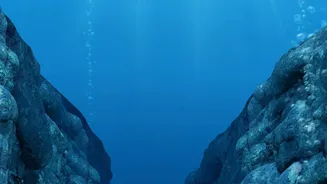
Deep ocean trenches are monumental scars on the seafloor, forged by one of the most powerful forces on Earth: plate tectonics. Our planet's crust is not a single shell but a mosaic of massive plates that are constantly shifting. Where two of these plates collide,
one often slides beneath the other in a process called subduction. The descending plate bends and plunges into the Earth’s mantle, creating a deep, V-shaped depression in the ocean floor. These trenches are the deepest parts of the ocean, with the most famous, the Mariana Trench, plunging nearly 11,000 meters below the surface. This geological process is relentless, shaping the very foundation of these unique habitats.
An Island in the Deep
The sheer depth and V-shaped topography of these trenches create a profound sense of isolation. Known as the hadal zone (named after Hades, the Greek underworld), this realm below 6,000 meters is physically and environmentally cut off from the surrounding abyssal plains. The steep walls act as funnels, channeling scarce food particles like 'marine snow'—organic debris falling from above—into the trench, but they also act as barriers. This separation limits the genetic exchange between populations in different trenches, or even between a trench and the plains just above it. Each trench effectively becomes a separate evolutionary island, a secluded laboratory where life must play by a different set of rules.
Life Under Extreme Pressure
The conditions in the hadal zone are almost beyond comprehension. The pressure can be over 1,000 times greater than at sea level, a force that would crush most organisms. Temperatures are near freezing, and there is a complete absence of sunlight. Life here has had to evolve extraordinary adaptations to simply exist. Organisms that thrive under these conditions are known as piezophiles, or 'pressure-lovers'. To survive, their very biology is different. Cell membranes, which would become waxy and rigid under such pressure, are instead built with unsaturated fatty acids to maintain fluidity. Their proteins are structured in a way that immense pressure helps them hold their shape and function, rather than being destroyed by it.
A Different Recipe for Life
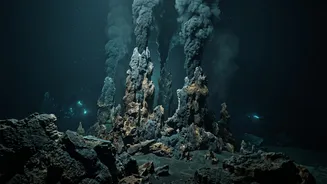
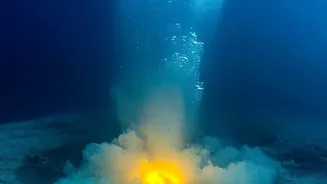
Without sunlight, the foundation of the food web changes entirely. Instead of photosynthesis, life in the darkest depths often relies on chemosynthesis. Microbes harness chemical energy from compounds like methane or hydrogen sulfide seeping from the seafloor. These microbes form the base of the food chain, supporting surprisingly rich communities of clams, tube worms, and crustaceans. The most iconic hadal resident is the snailfish, a tadpole-shaped fish that thrives at depths exceeding 8,000 meters. It has a soft, gelatinous body with minimal bone structure to resist the pressure. To protect its cellular machinery, it produces high levels of a compound called trimethylamine N-oxide (TMAO), which stabilizes proteins and prevents them from being crushed.
The Frontiers of Discovery
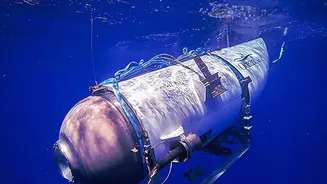
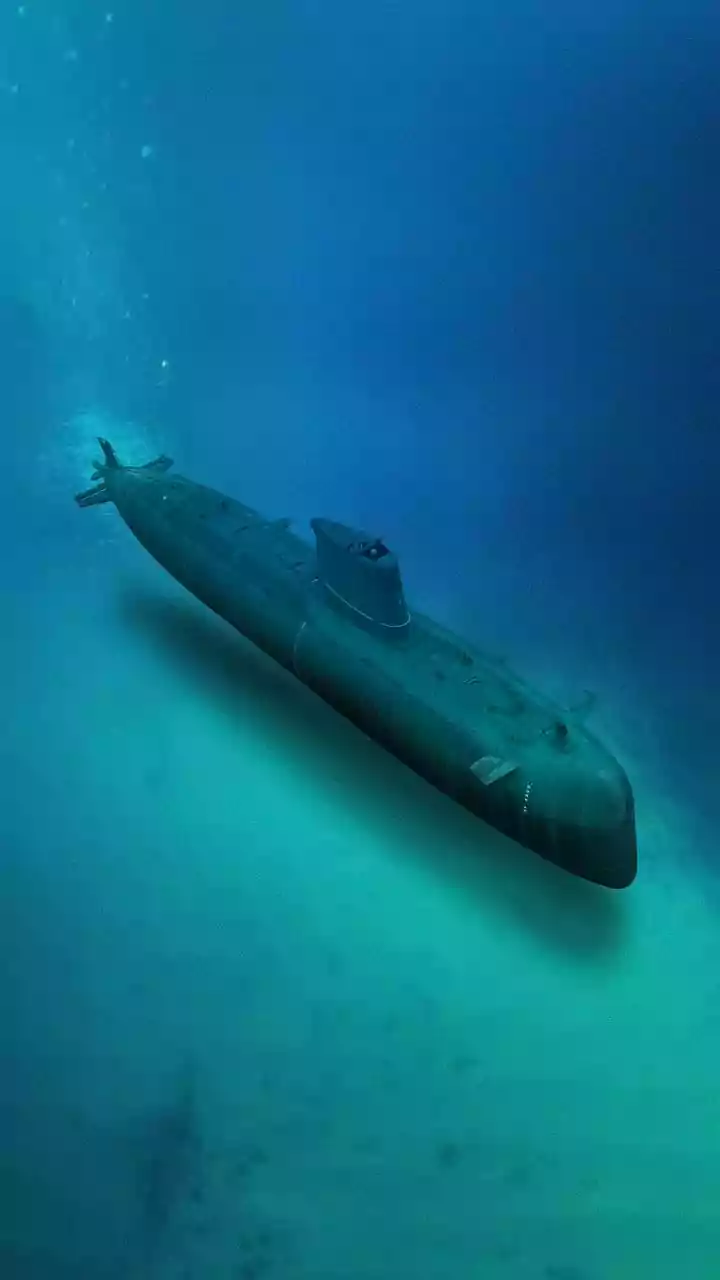
For centuries, the hadal zone was considered a lifeless void. Today, advanced remotely operated vehicles (ROVs) and manned submersibles are finally peeling back the curtain on these mysterious ecosystems. Every expedition brings new discoveries, from giant amphipods (a type of crustacean) to ghostly white snailfish and thriving colonies of worms that have never been seen before. These discoveries are rewriting our understanding of the limits of life. They reveal that the hadal zone is not a barren wasteland but a dynamic and diverse biome. Recent explorations have found vast communities based on chemosynthesis, suggesting these oases of life are far more common in the deep than previously imagined.