







1. Turmeric
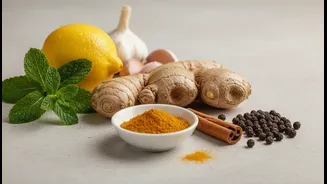
This golden spice is a cornerstone of Indian cooking and traditional medicine for good reason. Turmeric contains curcumin, a powerful compound with anti-inflammatory, antiviral, and antioxidant properties. During the monsoon, when your immunity can be
compromised, adding a pinch of turmeric to milk, curries, or teas can help your body fight off common infections like the cold and flu.
2. Ginger
Ginger is another kitchen staple prized for its medicinal qualities. It is particularly effective during the rainy season for its ability to aid digestion and combat respiratory issues. Its anti-inflammatory properties can soothe a sore throat, and its warming nature is perfect for a chilly, damp day. A cup of hot ginger tea is a classic monsoon remedy for clearing congestion and boosting overall wellness.
3. Garlic
Known for its potent antiviral and antibacterial properties, garlic is an excellent addition to your monsoon diet. It helps strengthen the immune system, making you less susceptible to the various infections that are common during this time. Incorporating crushed or chopped garlic into your soups, dals, and vegetable dishes not only adds flavour but also provides a layer of protection against seasonal illnesses.
4. Probiotic-Rich Foods
The humidity during monsoon can slow down digestion. Probiotic foods like yogurt (dahi) and buttermilk (chaas) are essential for maintaining good gut health. They contain beneficial bacteria that support a healthy digestive system, which is closely linked to a strong immune response. A healthy gut can better absorb nutrients and fight off harmful pathogens.
5. Citrus Fruits
Fruits like oranges, lemons, and amla (Indian gooseberry) are packed with Vitamin C, a powerful antioxidant known to enhance immune function. While it's wise to avoid pre-cut fruits from street vendors, enjoying fresh, whole citrus fruits at home is highly recommended. Vitamin C supports the production of white blood cells, which are key to fighting infections.
6. Nuts and Seeds
A handful of almonds, walnuts, and seeds like pumpkin and flaxseeds can be a great source of essential nutrients during the monsoon. Almonds are rich in Vitamin E, and pumpkin seeds are a good source of zinc, both of which are crucial for a healthy immune system. These make for a perfect, energy-boosting snack that keeps you full and reduces cravings for unhealthy fried foods.
7. Pomegranate
This seasonal fruit is another powerhouse of antioxidants with notable anti-viral properties. Pomegranates are recommended during the monsoon as they help boost immunity and support digestive health. Enjoying the fresh seeds or a glass of homemade juice can be a delicious way to strengthen your body’s defenses against seasonal ailments.
8. Herbal Teas
Nothing says monsoon like a warm cup of tea. Herbal infusions made with ingredients like tulsi (holy basil), ginger, and black pepper are particularly beneficial. These teas not only provide warmth and comfort but also have antimicrobial properties that help prevent infections, soothe sore throats, and aid digestion.
9. Moong Dal
Experts often advise eating light, easily digestible foods during the monsoon, and moong dal fits the bill perfectly. It is packed with protein and nutrients but is gentle on the stomach. A warm bowl of khichdi, made from rice and moong dal, is a classic comfort food that is both nourishing and easy for the digestive system to handle.
10. Seasonal Vegetables
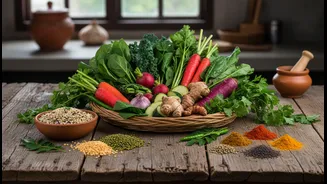
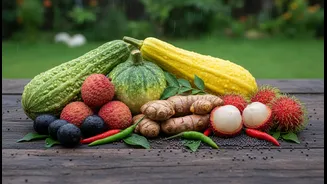
While leafy greens should be washed with extra care, other seasonal vegetables like bottle gourd (lauki), bitter gourd (karela), and ridge gourd (tori) are excellent choices. They are rich in nutrients and easy to digest. It is best to consume them steamed or in cooked forms like soups and stews rather than raw to avoid the risk of contamination.