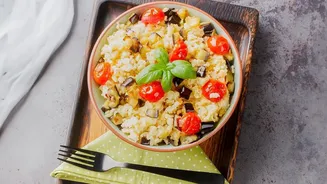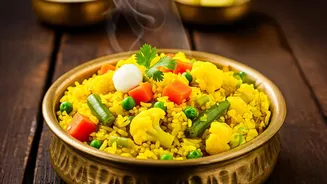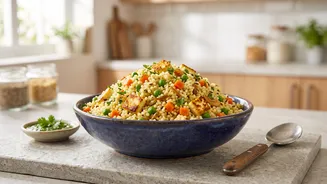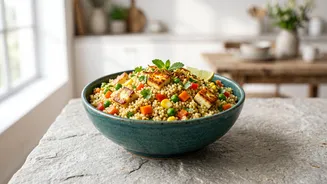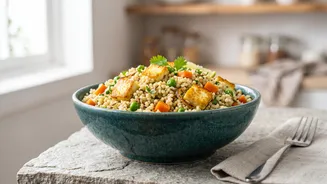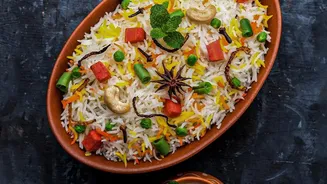



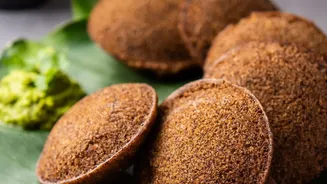
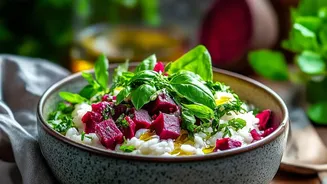
Move over, rice. Vegetable millet pulao is stepping into the spotlight as a hearty, flavourful, and incredibly nutritious main meal. Far from being a bland health food, this one-pot wonder is a delicious and versatile dish for any day of the week.
Why Millets Deserve a Place on Your Plate
For
years, millets were often overlooked in urban Indian kitchens, but these ancient grains are making a well-deserved comeback. They are naturally gluten-free and packed with nutrients, making them an excellent choice for a wholesome meal. Millets are rich in dietary fibre, which aids digestion and helps you feel full for longer. They are also a good source of essential minerals like magnesium, phosphorus, and iron, along with B vitamins. With a lower glycemic index compared to white rice, millets can help in managing blood sugar levels by providing a slower, more sustained release of energy. This makes millet pulao not just a light option, but a genuinely nourishing one.
The Secret to Perfectly Fluffy Millet
The biggest hesitation for many home cooks is the fear of ending up with mushy, sticky millet. The key to a fluffy pulao where every grain is separate lies in a few simple steps. First, always rinse your millet thoroughly in a fine-mesh sieve to remove any dust. Soaking the millet for at least 30 minutes to an hour is also a crucial step that helps ensure even cooking. For an extra layer of nutty flavour, you can dry-roast the rinsed and drained millet in a pan for a few minutes until it becomes fragrant before you start the cooking process. Finally, getting the water ratio right is critical. A general rule of thumb is a 1:2 ratio of millet to water, but this can vary slightly depending on the type of millet and cooking method (pressure cooker vs. open pot). Once cooked, let the pulao rest, covered, for at least 5-10 minutes before fluffing it gently with a fork.
Building a Pulao Packed with Flavour
A great pulao starts with a strong flavour base. Begin by heating ghee or oil and tempering whole spices like cumin seeds, cinnamon, cloves, and a bay leaf. This simple step infuses the oil with aroma. Next, sauté sliced onions until they turn translucent or golden, followed by ginger-garlic paste. This 'tadka' forms the backbone of the pulao's taste. The choice of vegetables is where you can get creative. Hardy vegetables like carrots, potatoes, and beans should be added first and sautéed for a few minutes. Softer vegetables like peas or bell peppers can be added later. Fresh herbs are non-negotiable for an authentic pulao flavour; a generous handful of chopped mint and coriander leaves added with the vegetables will elevate the dish immensely.
Making it a Complete and Satisfying Meal
While a vegetable millet pulao is nutritious on its own, a few additions can easily transform it into a complete main course. To boost the protein content, consider adding paneer cubes, cooked chickpeas, or even tofu along with the vegetables. This makes the meal more balanced and satiating. A simple bowl of plain curd or a refreshing raita (like cucumber or onion raita) is the perfect accompaniment. The coolness of the raita beautifully complements the warmth and spice of the pulao. For some added crunch and a classic Indian meal experience, serve with a side of roasted papad. A final squeeze of lemon juice just before serving can brighten all the flavours and bring the dish together perfectly.