






From Slow Food to a Slower Pace
Slow travel isn't a new concept, but its relevance has skyrocketed in a world that glorifies speed. Its origins trace back to the Slow Food movement in Italy during the 1980s, which began as a protest against the opening of a McDonald's in Rome. That
movement championed local culinary traditions over fast-food culture, emphasizing care, tradition, and place. This ethos naturally expanded into other areas of life, including tourism. At its heart, slow travel is an intentional mindset that swaps the frantic, checklist-driven nature of mass tourism for a more immersive and meaningful connection with a destination. It’s about prioritizing the quality of your experiences over the quantity of places you visit.
The Core Principles: Connection over Collection
Unlike mass tourism, which often encourages rushing between landmarks for photo opportunities, slow travel is about depth. The goal is to become part of the local life, even temporarily. This means spending more time in fewer places, allowing for a genuine connection to the local culture, people, and environment. It involves choosing authenticity over commercial kitsch, supporting local businesses, and reducing your environmental impact by opting for slower, more sustainable modes of transport like trains or bicycles. The philosophy encourages leaving room in your itinerary for spontaneity and unplanned discoveries, which often become the most cherished memories. It’s about noticing the little details, like the smell of the air from a train window or the specific cadence of a city's sounds during rush hour.
The Personal and Global Benefits
The perks of adopting a slower pace are profound. For the traveller, it dramatically reduces the stress and burnout associated with trying to see everything. Instead of returning home needing another vacation, you feel genuinely refreshed and rejuvenated. This approach fosters deeper cultural immersion and more authentic experiences, leading to lasting memories. Economically, slow travel is often more affordable. Staying longer in one place can mean cheaper accommodation like local homestays, and self-catering by shopping at local markets reduces costs. Beyond personal gain, slow travel has a positive impact on destinations. It supports small, locally-owned businesses instead of large international chains, ensuring that tourism money benefits the community directly. By avoiding over-touristed hotspots and using greener transport, it also helps reduce the environmental footprint and relieves pressure on sensitive ecosystems.
How to Practice Slow Travel
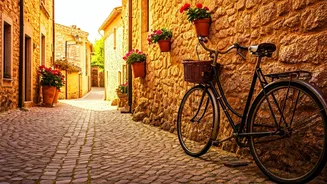
Embracing slow travel doesn't necessarily mean you need months to spare. It's a mindset that can be applied to any trip, even a short one. Start by choosing one city or region instead of trying to cover multiple countries in a week. Leave your itinerary flexible to allow for spontaneous adventures. Use public transport, walk, or rent a bike to get a feel for the landscape. Try to establish a small routine, like visiting the same café each morning, to feel less like a tourist and more like a regular. Engage with locals by asking for recommendations, taking a local cooking class, or visiting a weekly market. Ultimately, it's about accepting that you can't see everything in one lifetime and instead focusing on the quality and depth of the experiences you do have.