





Summer Acne: A Story of Heat and Oil
Summer acne is primarily a story of heat and sweat. As temperatures soar, your sebaceous glands go into overdrive, producing more oil (sebum). [5, 11] A study even found that for every 1°C rise in temperature, sebum secretion increases by 10%. [15] This
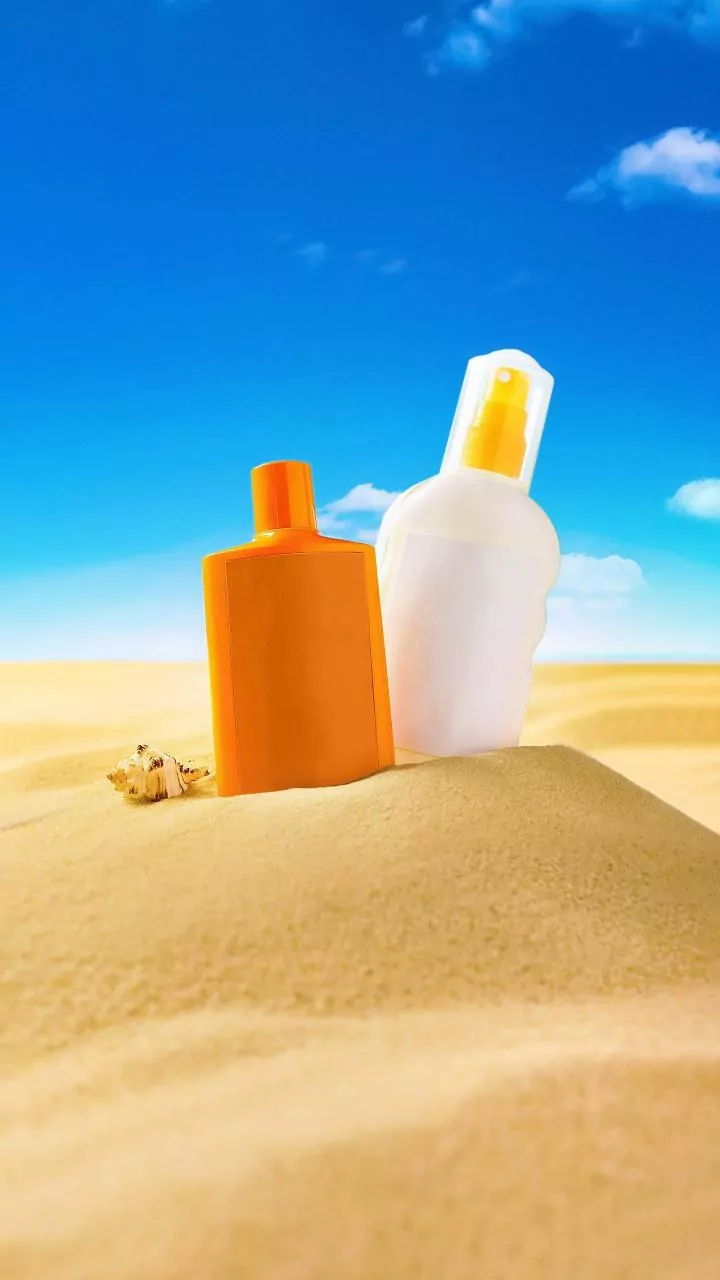
excess oil, combined with a constant film of sweat, creates a perfect recipe for clogged pores. When sweat mixes with oil, dead skin cells, and bacteria, it can lead to blackheads, whiteheads, and inflamed pimples. [3, 6] Furthermore, this season often involves friction from hats, helmets, or even tight clothing, which can trap sweat and lead to a specific type of breakout called 'acne mechanica' on the forehead, chest, and back. [3, 24] Even essential sunscreens, if they are heavy or oil-based, can contribute to clogged pores if not chosen carefully. [5, 6]
Monsoon Acne: The Humidity and Bacteria Problem
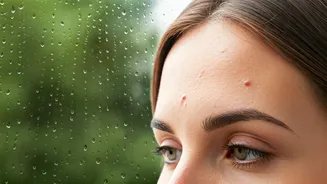
Monsoon acne is a different beast, driven less by dry heat and more by relentless humidity. [14] During the rainy season, the air is saturated with moisture. This prevents your sweat from evaporating efficiently, leaving a damp layer on your skin. [10, 18] This warm, moist environment is a paradise for bacteria and fungi to thrive. [4, 7, 23] The sticky feeling on your face attracts more dust and pollutants, which readily clog the now-open pores. [2, 4] This leads to breakouts that are often more inflammatory and bacteria-driven than those in summer. [16] High humidity also creates ideal conditions for Malassezia, a yeast that can cause fungal acne—itchy, uniform bumps that don't respond to typical acne treatments. [18, 21] Over-cleansing to combat the greasy feeling can strip the skin, ironically triggering even more oil production as the skin tries to compensate. [2, 17]
The Key Differences at a Glance
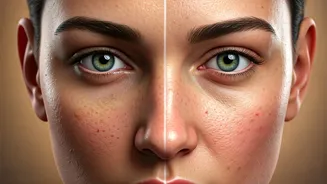
So, what's the real difference? In summer, the primary villain is excess oil production stimulated by high temperatures, leading to clogged pores. [11, 15] Think of it as an internal problem where your own skin's oil is the main culprit. Monsoon acne, however, is more of an external threat. The main driver is high humidity, which creates a breeding ground for external factors like bacteria, fungi, and pollutants to cause inflammatory infections in your pores. [2, 16, 20] * **Summer Acne:** Caused mainly by heat-induced overproduction of sebum and sweat, leading to clogged pores and comedones (blackheads and whiteheads). [3, 5] * **Monsoon Acne:** Caused by high humidity that traps sweat and oil, creating an ideal environment for bacterial and fungal growth, leading to more inflammatory and infected pimples. [4, 21]
Adapting Your Skincare Routine
Understanding the difference is the key to effective treatment, which means your skincare can't be one-size-fits-all. [13] For summer, focus on controlling oil and keeping pores clear. Use a gentle foaming cleanser, perhaps with salicylic acid, and opt for lightweight, oil-free moisturisers and non-comedogenic, gel-based sunscreens. [12, 13, 19] Blotting papers can be a lifesaver for managing midday shine. When the monsoon rolls in, shift your focus to combating bacteria and managing the damp environment. Cleanse your face twice daily to remove the grime that accumulates in the humid air. [14] Introduce products with antibacterial properties, like those containing tea tree oil or neem. [2, 12] A clay mask used once or twice a week can help absorb excess moisture and oil. [2] And don't skip the moisturiser; the feeling of hydration from humidity is deceptive. [17] Stick with a lightweight, water-based hydrator to maintain your skin's barrier without adding heaviness. [12, 14]