







As millions of gamers jack into the neon-drenched streets of Vice City, the real-world city that inspired it, Miami, is feeling the ripple effects. The biggest entertainment launch in history isn't just happening on screens; it's changing the local economy.
The Vice City Effect in Real Life
The release of Grand Theft Auto VI on November 19 has been a cultural tidal wave, but on the streets of Miami, it's also a significant business event. Food delivery platforms are reporting a substantial and unprecedented spike in orders, directly linked to the game's launch. Uber Eats reported that between midnight and 5 a.m. on launch night, orders in Miami surged by more than 30% compared to previous Thursdays. DoorDash noted a similar trend, with Miami leading its major markets in late-night order growth at nearly 25%. This isn't just a few extra pizzas; it's a measurable economic tremor caused by a virtual world. Nationally, orders for energy drinks, chips, and burgers all jumped by double-digit percentages, but the effect in Miami has been particularly pronounced.
Why Miami is Ground Zero
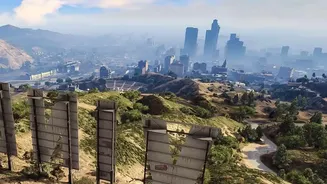
The intense focus on Miami is no coincidence. GTA VI is set in the fictional state of Leonida and its marquee location, Vice City—a meticulously crafted parody of Miami. Developer Rockstar Games spent years researching the area, turning the city itself into a main character. In the run-up to the launch, the connection was made explicit, with Miami-Dade County striking a marketing deal and local landmarks being rebranded with their in-game counterparts. The Kaseya Center, home to the Miami Heat, was temporarily badged as the Sahara Arena from the game, and the team even wore 'Vice City' jerseys. This deep, official integration has created a unique feedback loop: players are exploring a virtual Miami, and in turn, their behavior is tangibly impacting the real one.
A Boom for Local Kitchens and Couriers
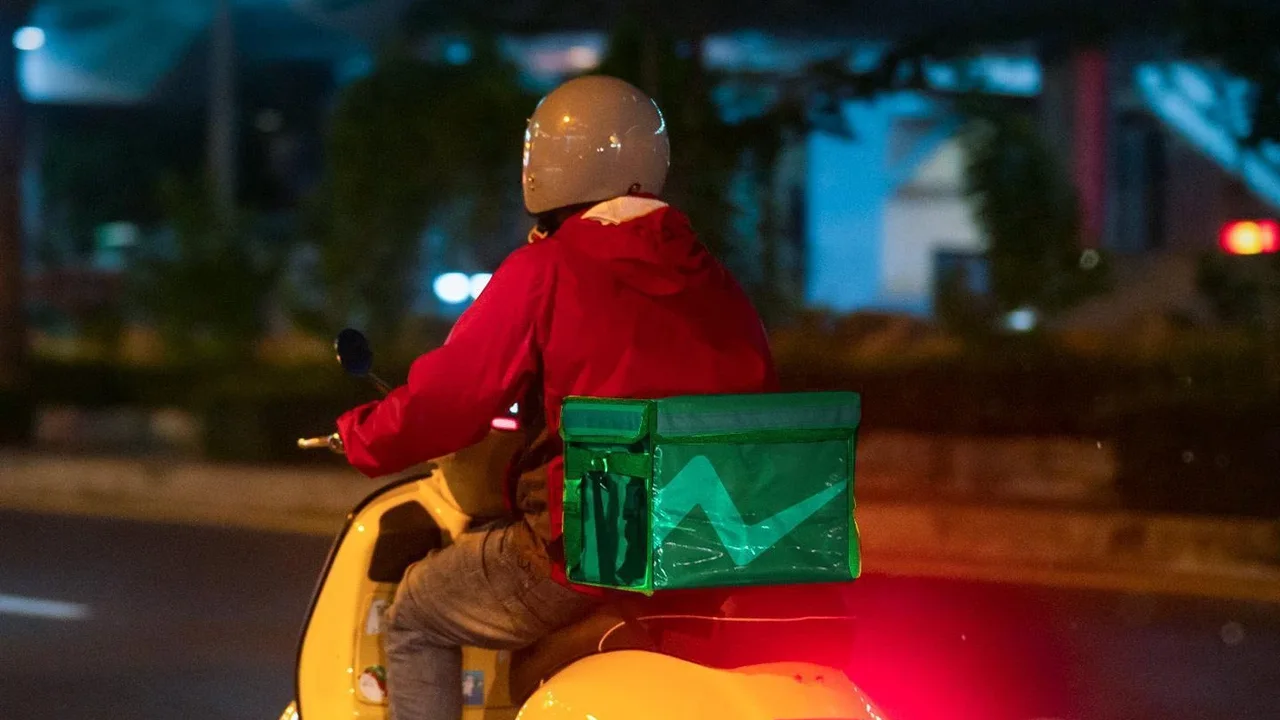
For Miami's restaurants and gig workers, the launch has created a micro-boom. While large chains like McDonald's and Burger King saw increased traffic through app promotions, local eateries have also been swept up in the demand. With a significant portion of the population—reports suggest nearly a third of Gen Z workers took time off for the launch—staying indoors for marathon gaming sessions, the demand for convenient, deliverable food has skyrocketed. Delivery platforms leaned into the moment, with Uber Eats curating deals on 'one-handed' foods like pizza rolls and boneless wings, perfect for someone who can't put down their controller. This surge provides a windfall for drivers and a crucial revenue stream for restaurants, demonstrating how a digital event can provide a direct stimulus to the local, physical economy.
The New 'Big Game' Phenomenon
What's happening in Miami signals a shift in what constitutes a major event. Previously, this level of ancillary economic activity was reserved for physical events like the Super Bowl or a major festival. The GTA VI launch proves that a digital event can now have a comparable, if not more concentrated, impact. Analysts predicted that the game's release would cause a 10% drop in daily players for competing games and a loss of millions of streaming hours on video platforms, as all attention was sucked into the virtual world of Vice City. The ripple effect on food delivery confirms that this attention vacuum has real-world economic consequences. It establishes a new playbook for how cities and local businesses might anticipate and capitalize on major cultural moments that exist entirely on a screen.