





The Enemy in the Vineyard
For grape growers in Maharashtra, downy mildew is a notorious adversary. Caused by the fungus-like organism Plasmopara viticola, it thrives in the warm, wet, and humid conditions that often accompany the monsoon season. The disease is aggressive and destructive,
appearing as yellow, oily spots on leaves before creating a white, cottony growth on the underside. It doesn't stop at the leaves; it can infect shoots, tendrils, and, most critically, the fruit clusters themselves. An unchecked infection can lead to severe crop losses, with some estimates suggesting it can destroy anywhere from 50% to a complete harvest, turning a promising season into a financial disaster. This makes early and effective management not just a priority, but a necessity for survival in the competitive world of viticulture.
The Old Guard of Defence
Traditionally, combating downy mildew has been a constant, costly battle. The primary method involves the widespread, preventative application of fungicides across the entire vineyard. This blanket-spraying approach is inefficient and expensive. Farmers often spray based on weather patterns or fixed schedules, using large amounts of chemicals whether the disease is present or not. This not only inflates operational costs but also raises environmental concerns about chemical runoff and soil health. Furthermore, this method is often reactive. By the time visible symptoms appear and farmers increase spraying, the infection may have already taken a significant hold, making the intervention a case of too little, too late. This constant guesswork places a heavy burden on farmers, who risk both their crops and their capital.
A Digital Diagnosis
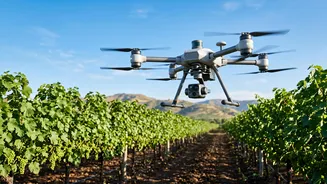
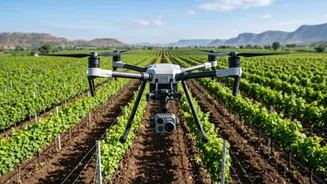
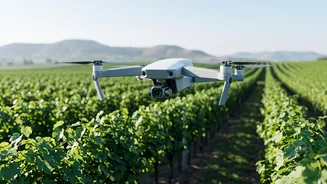
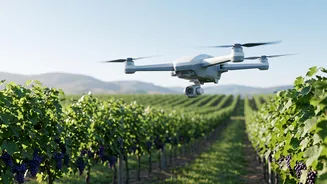
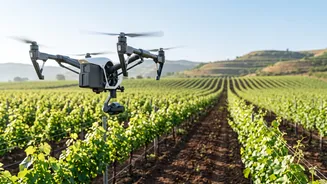
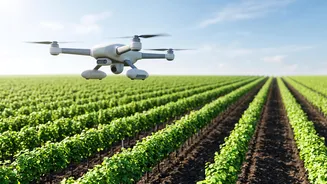
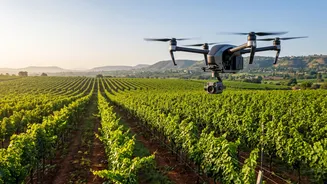
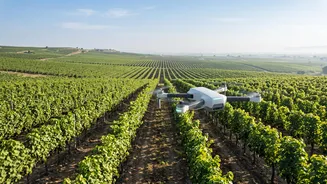
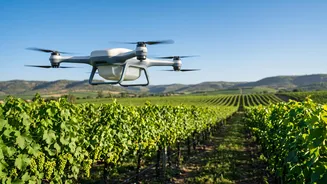
Enter precision agriculture, powered by Artificial Intelligence. The new approach revolutionises how farmers detect and fight downy mildew. Instead of relying on the naked eye, this technology uses advanced imaging and machine learning. Drones or vehicle-mounted cameras equipped with specialised sensors move through the vineyards, capturing highly detailed images of the grapevines. These images are then analysed by an AI model that has been trained on thousands of pictures of both healthy and diseased plants. The AI can identify the subtlest signs of downy mildew, often days before they become visible to a human observer. This early detection is the system's core strength, shifting the fight from reaction to proactive protection.
From Data to Decisive Action
The true power of this technology lies in turning data into actionable intelligence. After scanning the vineyard, the AI system generates a detailed map that pinpoints the exact locations and severity of any detected infections. This allows the farmer to see specific hotspots where the fungus is beginning to emerge. Armed with this precise information, they can abandon the old blanket-spraying method in favour of a targeted approach. This practice, known as Variable Rate Technology (VRT), means applying fungicides only to the specific vines or small clusters that need it. This surgical precision not only halts the disease in its tracks before it can spread but also dramatically optimises the use of resources, saving time, money, and labour.
The Fruits of Innovation
For the vineyard owners in Nashik adopting this technology, the results are transformative. The most immediate benefit is a significant reduction in the use of fungicides, with reports indicating potential decreases in chemical usage by as much as 40%. This translates directly into lower operational costs and a smaller environmental footprint. By catching the disease early and managing it effectively, crop losses are minimised, leading to higher, more reliable yields. The quality of the grapes is also improved, as the fruit is healthier and free from the blemishes caused by fungal attacks. This ultimately leads to a more profitable harvest and a more sustainable business model, empowering farmers with the tools to protect their livelihoods against an age-old threat.