


The Fiery Ghost on the Menu
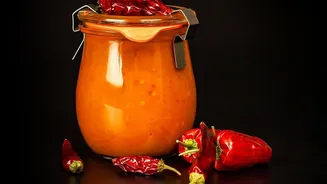
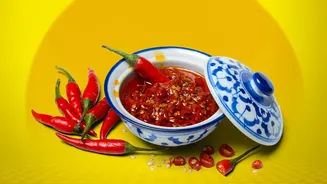
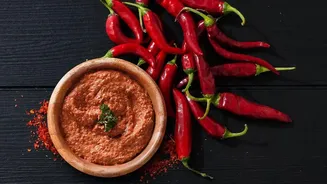
One of the stars of this movement is the Bhut Jolokia, also known as the ghost pepper. Once certified as the world's hottest chili, its reputation is formidable. But chefs are now looking beyond its intense heat, embracing its unique, fruity flavour.
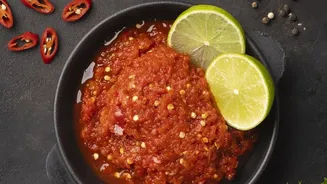
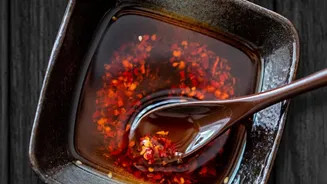
In urban eateries, it’s no longer just a gimmick for spicy-food challenges. Instead, it appears in carefully balanced creations: a Bhut Jolokia-infused honey drizzled over fried chicken, a smoky chili dip served with fries, or a fiery kick in a craft cocktail. This subtle integration allows diners to appreciate the chili's complex flavour profile without being overwhelmed, making it an exciting ingredient for adventurous palates. The goal is to add a layer of flavour, not just scorching heat.
Embracing the Funk of Fermentation
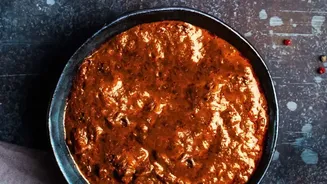
Alongside the fiery chili, fermented condiments are adding a new dimension of 'umami' to café dishes. Ingredients like 'Axone' or 'Akhuni' (fermented soybeans from Nagaland) and 'Anishi' (fermented taro leaves) are making their presence felt. Historically, fermentation was a method of preservation in the Northeast, creating ingredients with deep, complex, and pungent flavours. Axone, for instance, has a strong, distinctive aroma and a rich, savoury taste that can elevate a simple pork or vegetable dish. While its powerful smell might have once been a barrier, chefs are now using it to create deeply flavourful broths, stews, and even innovative spice rubs and salts, introducing diners to the funky, flavourful world of Northeastern fermentation.
A Quest for Authentic Flavours
So, why is this happening now? A major driver is the evolving Indian palate. Urban diners, especially millennials and Gen Z, are increasingly tired of generic fare and are actively seeking authentic, regional culinary experiences. There's a growing curiosity to explore the diverse food cultures within India itself. The cuisines of the Northeast, with their emphasis on fresh, local ingredients and unique cooking techniques like smoking and fermenting, offer a world of new tastes that stand in contrast to more mainstream Indian cooking. This demand for authenticity and novelty has created the perfect environment for these once-niche ingredients to enter the mainstream.
The Champions of Regional Cuisine
This trend isn't happening by accident. It is being driven by a new generation of chefs and food entrepreneurs, many from the Northeast, who are passionately championing their heritage. Chefs like Nambie Jessica Marak, Karen Yepthomi, and Tanisha Phanbuh are using platforms like MasterChef India, social media, restaurant pop-ups, and their own establishments in cities like Delhi and Mumbai to introduce these flavours to a wider audience. They are reinterpreting traditional recipes for a modern context, making dishes like 'doh khlieh' (pork salad) into crostinis or using fermented soybean in contemporary sauces. Their work is a source of immense pride, reclaiming a culinary identity that was often misunderstood or stereotyped.
More Than Just a Food Trend
The appearance of Bhut Jolokia and Axone on café menus is more than just a culinary fad; it's a form of cultural exchange. For years, the distinct smells and flavours of Northeastern food were sometimes a source of discrimination for people from the region living in other parts of India. The growing popularity and acceptance of these ingredients in mainstream dining spaces helps to break down old prejudices. It fosters a deeper appreciation for the rich cultural diversity of the Northeast, proving that food can be a powerful tool for connection and understanding. Each dish served is a story, a bridge between different parts of the country.