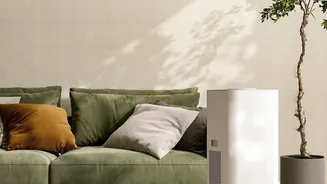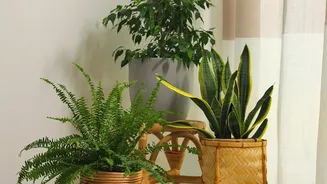






The Invisible Problem: What's In Your Air?
Before comparing solutions, it's crucial to understand what's polluting our indoor air. The air inside Indian homes can be two to five times more polluted than the air outside. The main culprits are particulate matter (PM2.5) and volatile organic compounds
(VOCs). PM2.5 are microscopic particles from sources like cooking smoke, dust, outdoor smog seeping in, and the burning of incense or 'agarbatti'. VOCs are gases released from everyday items like paints, new furniture, cleaning products, and air fresheners. These pollutants are linked to allergies, asthma triggers, headaches, and other respiratory issues. While PM2.5 is a major concern, VOCs like formaldehyde from plywood are also a significant, often overlooked, health risk.
The Mechanical Solution: How Air Purifiers Work
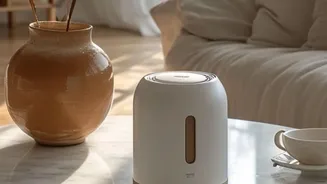
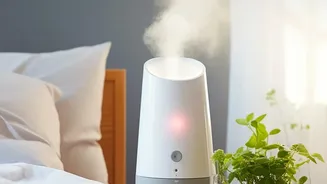
An air purifier is an active, mechanical device designed for one job: cleaning the air. It works by pulling air in with a fan and forcing it through a series of filters. The most important of these is the HEPA (High-Efficiency Particulate Air) filter, which is certified to trap 99.97% of airborne particles as small as 0.3 microns. This makes it incredibly effective against PM2.5, dust, pet dander, and pollen. Many purifiers also include an activated carbon filter. This layer is crucial for adsorbing gases and odours, including many of the VOCs that a HEPA filter alone cannot catch. In essence, an air purifier is a powerful, quantifiable tool that physically removes pollutants from a large volume of air, circulating it multiple times per hour.
The Botanical Myth: Revisiting the NASA Study
The belief that houseplants are powerful air cleaners stems largely from a famous 1989 NASA study. The study showed that certain plants could absorb VOCs like formaldehyde and benzene in a small, sealed chamber. However, this finding has been widely misinterpreted. Subsequent research has clarified that those lab conditions don't reflect a real-world home with drafts, open doors, and a much larger volume of air. To replicate the air-cleaning effects seen in the lab, you would need an impractically large number of plants—estimates range from 10 to 1,000 plants per square metre of floor space. So, while plants do absorb tiny amounts of chemicals, they cannot compete with the natural air exchange in a home, let alone a mechanical purifier.
The Verdict: A Mismatch of Scale and Purpose
When placed head-to_head for the primary purpose of significantly reducing indoor air pollutants, the air purifier is the undisputed winner. Its ability to filter vast quantities of air and remove microscopic particles at a high rate is something a few potted plants simply cannot achieve. A HEPA filter is the gold standard for tackling particulate matter, which is a major health concern, while plants have a negligible effect on these particles. In fact, poorly maintained plants with overwatered soil can even introduce mould spores, worsening air quality.
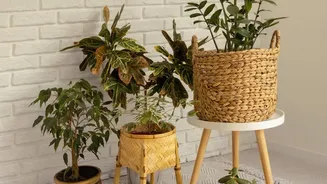
However, this doesn't mean houseplants are useless. Their primary benefits are aesthetic and psychological. Studies show that being around indoor plants can reduce stress, boost mood, and create a more pleasant living environment. They are a wonderful addition to a home, but they are not an air purification device.
The Best Strategy: A Complementary Approach
Instead of viewing it as an either/or choice, the most effective strategy is to use both, understanding their distinct roles. Rely on a high-quality air purifier with both HEPA and activated carbon filters to do the heavy lifting of removing harmful PM2.5 and VOCs. This is especially critical for households with allergy or asthma sufferers, children, or in cities with high levels of outdoor pollution.
Then, add houseplants for what they do best: enhancing your decor, boosting your mental well beinginginging well beinginging well beinginging well beinginging well beinginging well beinginging well beinginging well beinginging well beinginging well beinginging well beinginging well beinginging well beinginging well beinginging well beinginging well beingingings wellness upgrade.
Think of the air purifier as the essential utility for health and the plants as the decorative and wellness upgrade. This combination gives you the best of both worlds—measurably cleaner air and a more vibrant than calming home environment.