





From Muddy Fields to Curated Destinations
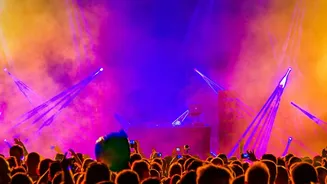
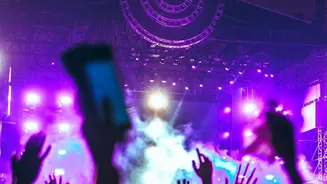
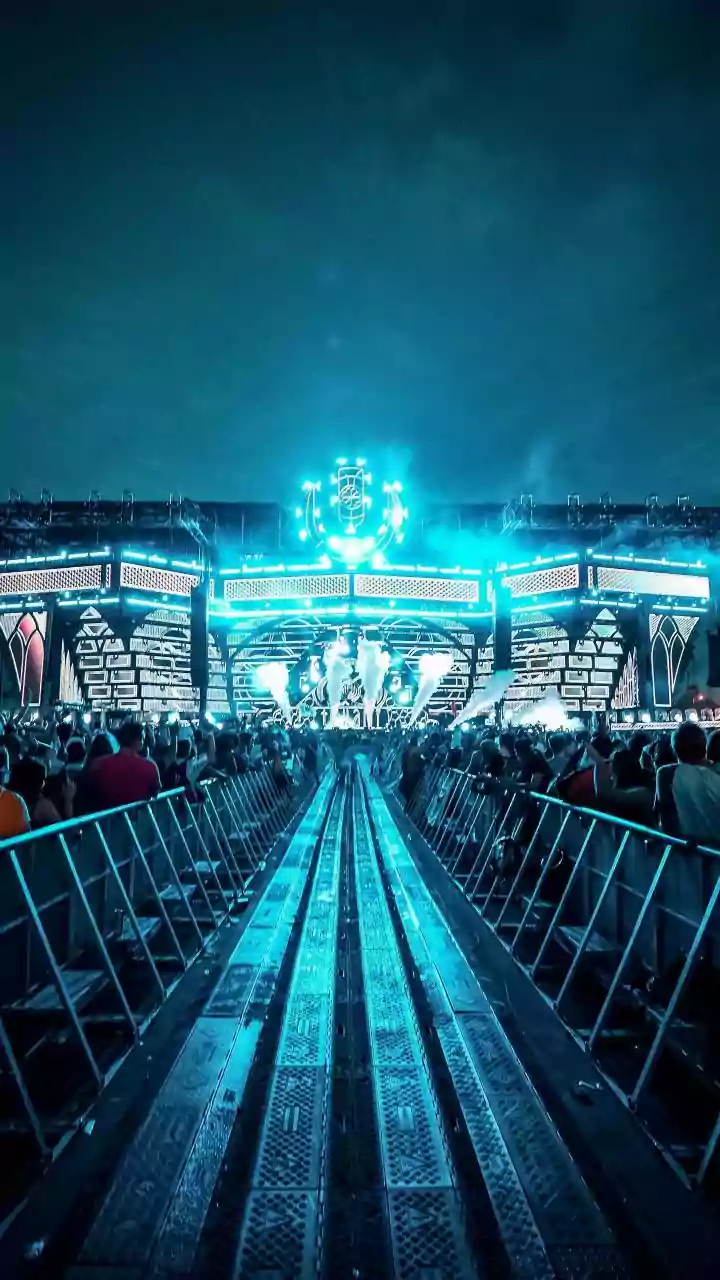
Not long ago, a music festival was an event you endured as much as enjoyed. The focus was purely on the lineup, with the location often being little more than a convenient, large field. Today, that model has been completely transformed. Modern events,
often called 'destination festivals', are as much about the place as they are about the performers. Festivals like Magnetic Fields in a 17th-century Rajasthani palace or the Ziro Festival of Music in the scenic valleys of Arunachal Pradesh are prime examples. They are no longer just weekend concerts; they are curated travel experiences where the setting is a core part of the attraction, encouraging attendees to see the festival as a full-blown holiday.
More Than Just the Main Stage
The evolution of festival programming reflects this change. Organisers now understand that to attract travellers, they need to offer more than a string of bands. Wellness workshops, yoga sessions, gourmet food stalls, and art installations are now standard features. Many festivals offer activities that are unique to their location, such as stargazing sessions in the desert or workshops with local artisans. This diversification appeals to a broader audience, including those who may not have come just for the music but are drawn by the promise of a multi-faceted cultural event. This creates a richer, more holistic experience that keeps people on-site longer and encourages them to engage more deeply with their surroundings.
The Economic Ripple Effect
When attendees treat a festival like a vacation, the economic benefits spread far beyond the ticket gates. This influx of visitors creates a surge in demand for local hotels, guesthouses, and homestays. In places like Ziro Valley, the festival has profoundly boosted the local tourism economy, with the Apatani community opening their homes to visitors. This spending doesn't stop at accommodation. Festival-goers fill local restaurants, use local transport services, and shop for everything from souvenirs to supplies, injecting significant revenue into small businesses. This economic ripple effect is a powerful driver for local commerce, creating jobs and stimulating growth that can last long after the festival ends.
Building a Destination's Brand
For many lesser-known towns and regions, hosting a successful festival can be a game-changer for their public profile. Events like the Ziro Festival have put their locations on the national and even international tourist map, attracting visitors who might never have considered travelling there otherwise. A well-regarded festival acts as a powerful marketing tool, showcasing the beauty, culture, and hospitality of a region to a captive audience. This positive exposure often leads to year-round tourism interest, as festival attendees return to explore the area further or recommend it to others. The festival becomes part of the destination's identity, transforming it into a cultural hotspot.
A Two-Way Cultural Exchange
The most successful modern festivals foster a genuine connection with their host communities. Instead of imposing an external culture, they integrate and celebrate local traditions. Magnetic Fields, for example, is known for fusing contemporary electronic music with Rajasthani folk heritage, creating a unique cultural blend. This approach provides an authentic experience for attendees and a platform for local artists and traditions to reach a new audience. It turns the festival from a simple transaction into a meaningful exchange, fostering community pride and ensuring that the benefits are not just economic but cultural as well. This collaborative spirit is key to the long-term sustainability and success of destination festivals.