




A New Challenger on the East Coast
For years, India's tourism narrative has been dominated by established circuits like the Golden Triangle, the backwaters of Kerala, and the beaches of Goa. However, a strategic push from the Andhra Pradesh government is positioning Visakhapatnam—or Vizag,
as it is popularly known—as a formidable new contender. The city is no longer just an industrial port and naval base; it is being meticulously rebranded as a premier travel destination, prompting the national travel and hospitality industry to take serious notice. This transformation is driven by a coordinated strategy that leverages Vizag's unique geography, blending pristine beaches, lush hills, and ancient heritage sites.
The Blueprint for a 'Bay City'
At the heart of Vizag's ambition is a comprehensive development plan designed to overhaul its tourism infrastructure. The government has envisioned a world-class 'Bay City' corridor stretching from Kailasagiri to the upcoming Bhogapuram International Airport. This plan includes a slew of projects, from a 120-metre-high sky tower and the state's first glass bridge on Kailasagiri Hill to a major upgrade of the city zoo. Furthermore, the state’s new tourism policy (2024-2029) has granted official 'Industry Status' to the tourism sector, which unlocks significant financial incentives like capital subsidies and tax reimbursements to attract private investment. The government has already signed dozens of MoUs worth thousands of crores for development in and around the city.
Connectivity and High-End Hospitality
A key pillar of Vizag's strategy is massively improved connectivity. The under-construction Bhogapuram International Airport is a game-changer, expected to handle millions of passengers annually and ease access for both domestic and international tourists. This infrastructure boost is being matched by a surge in high-end hospitality. Major hotel chains like The Oberoi Group, Taj, and Mayfair are setting up luxury properties, particularly around the new airport, which is being developed as a 'hospitality district'. This influx of premium accommodation is aimed at catering to a wider range of travellers, from business visitors to luxury-seeking vacationers, and supporting the city's bid to host major events at a planned world-class convention centre.
Diversifying the Tourist Experience
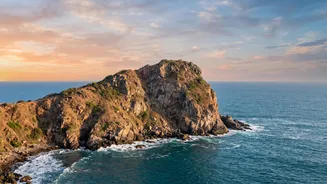
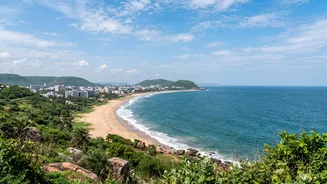
Vizag's appeal lies in its diverse offerings, which planners are keen to expand. Beyond its clean beaches like Rushikonda and Yarada, the strategy focuses on developing unique experiences. This includes promoting eco-tourism in the nearby Araku Valley, a hill station known for its coffee plantations and tribal culture. Adventure tourism is also getting a major push, with new water sports facilities, and even plans for seaplane and cruise tourism circuits to connect coastal and inland attractions. Ambitious projects like the 'Green Triangle' aim to integrate the city's zoo, Kailasagiri Hill, and the Kambalakonda Wildlife Sanctuary into a single, 18,000-acre eco-tourism circuit, offering experiences like night safaris. Meanwhile, new attractions like a Virtual Reality arena and large-scale shopping malls aim to enhance the urban leisure experience.
An Economic and Strategic Bet
For the Indian travel industry, Vizag's rise is more than just another destination on the map. It represents a test case for developing new tourism hubs outside of the traditional hotspots. The city's 'hub-and-spoke' model aims to ensure that growth benefits surrounding regions like Lambasingi and the Buddhist heritage sites of Thotlakonda. In 2023, the region already accounted for nearly a quarter of Andhra Pradesh's total tourist inflow, attracting over 60 million visitors even before many of these new projects were fully realized. Success in Vizag could provide a blueprint for other Tier-2 cities with untapped potential, diversifying India's tourism portfolio and creating new economic corridors built on travel and hospitality.