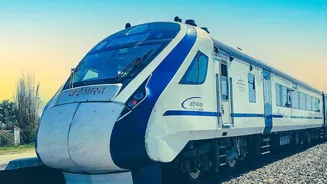




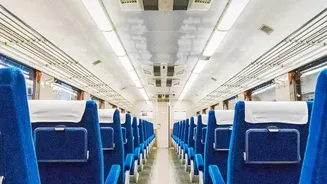
Indian Railways' upcoming Vande Bharat sleeper trains promise to redefine overnight journeys. Beyond high speeds, a subtle but significant design change near the coach entrance aims to solve a long-standing passenger complaint and improve the travel experience.
The Common Complaint of the 'Door-Side' Berth
Anyone who has travelled on a long-distance Indian train, especially in an AC 3-tier coach, knows the challenges of being assigned a berth near the main entrance doors. This area is a hub of constant activity. Passengers boarding and alighting, vendors passing through, and the frequent opening and closing of coach doors create a stream of disturbances. For those trying to get a good night's sleep, the noise, light, and movement can be a significant inconvenience. In conventional LHB (Linke Hofmann Busch) coaches, including those used in premium trains like the Rajdhani Express, the sleeping berths often begin very close to this high-traffic zone. This layout, while efficient, has long been a source of complaints from passengers who find it difficult to rest in these specific berths.
A Smart Solution in Design
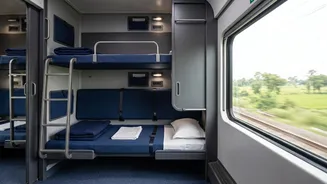
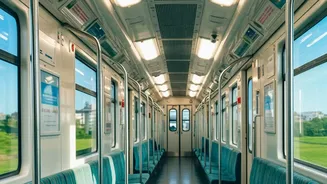
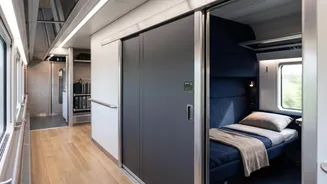
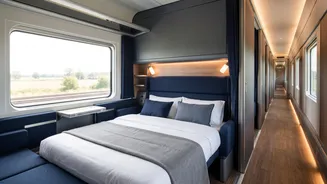
The new Vande Bharat sleeper coaches, manufactured by a consortium including BEML and Titagarh Rail Systems, introduce a thoughtful redesign to tackle this exact problem. Instead of placing berths immediately next to the entrance, the new layout incorporates a significant buffer zone. This space is created by setting the passenger cabin's automatic sliding door further into the coach, away from the main exterior doors. The result is a small vestibule-like area that effectively separates the sleeping quarters from the noisy entrance and toilet area. A recent viral video from a travel content creator highlighted this specific change, drawing praise for its passenger-centric approach. This design ensures that even the berths at the end of the coach are shielded from the primary sources of disturbance.
More Than Just Peace and Quiet
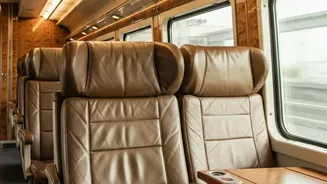
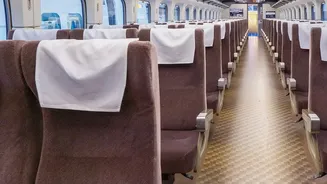
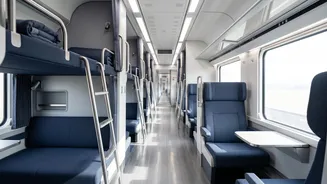
While enhanced comfort is the most obvious benefit, this intelligent use of space also contributes to optimizing the coach's capacity. The overall layout of the 16-coach Vande Bharat sleeper train accommodates 823 passengers. This is achieved through a combination of 11 AC 3-tier coaches, four AC 2nd tier coaches, and one AC First Class coach. By rethinking the traditional layout, designers have not only created a quieter environment but have also ensured that every square foot of the coach is used effectively. The new design also features ergonomically designed ladders for easier access to upper and middle berths, another point of focus based on passenger feedback. This demonstrates a holistic approach where small adjustments collectively lead to a significantly improved journey.
A Glimpse into the Future of Train Travel
This specific design tweak is part of a much larger mission for the Vande Bharat platform. The sleeper variant is engineered for a maximum operational speed of 160 km/h, aiming to drastically cut down travel times on long distance routes. The trains are equipped with a host of modern amenities, including improved suspension for a smoother, jerk free ride, advanced noise insulation, sensor based lighting, and modern bio vacuum toilets. Safety is also paramount, with the integration of the indigenous Kavach anti collision system, CCTV cameras, and advanced fire safety systems. For the first time, some coaches will even feature hot water showers in the First AC class, bringing a level of comfort previously unseen on Indian Railways.
When Can Passengers Expect This New Experience?
The rollout of the Vande Bharat sleeper trains is already underway. The first prototype was unveiled in late 2024, with the inaugural service commencing in January 2026. The second service, connecting the major hubs of Bengaluru and Mumbai, was launched on November 1, 2026, promising to reduce travel time between the two cities by up to eight hours. With manufacturers like BEML ramping up production, Indian Railways plans to introduce these new rakes across its network, progressively replacing older sleeper trains on key long distance routes. For millions of overnight travelers, this represents not just a new train, but a new standard of comfort and convenience on the rails.