


Choosing the Right Herbs for Indian Climate
The key to a successful balcony garden is selecting plants that thrive in local conditions. For most Indian balconies, a mix of sun-loving and partially shaded herbs works wonders. Start with these easy, high-reward options that are staples in Indian cooking.
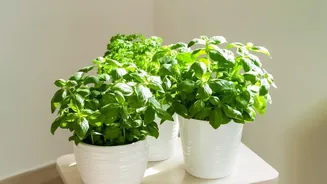
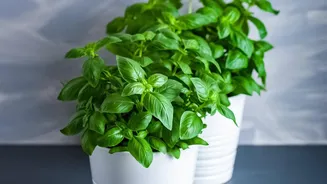
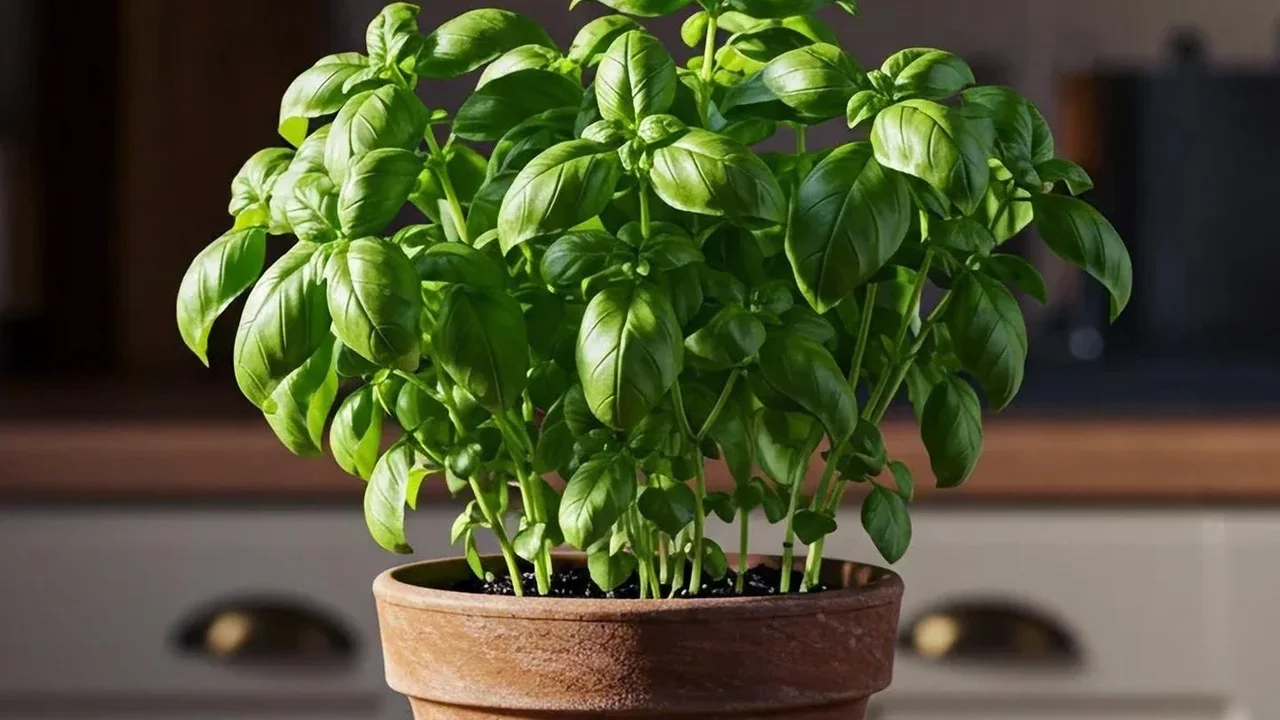
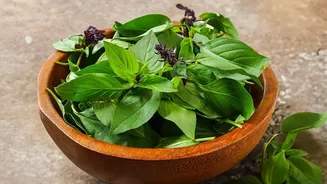
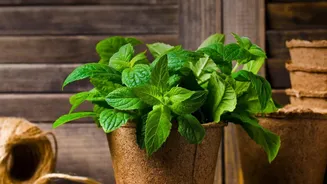
Tulsi (Holy Basil) is a must-have; it's resilient, requires minimal care, and does well in pots with regular sunlight. Mint (Pudina) is another excellent choice for beginners. It grows vigorously, so it's best to give it its own pot to prevent it from taking over. Coriander (Dhania) is perfect for adding fresh flavour to almost any dish. It grows best in cooler weather, so planting it in late summer or early monsoon yields a great harvest. Finally, no Indian kitchen garden is complete without Curry Leaves (Kadhi Patta). This plant starts slow but becomes a long-term, low-maintenance source of aromatic leaves.
Finding the Perfect Pot and Location
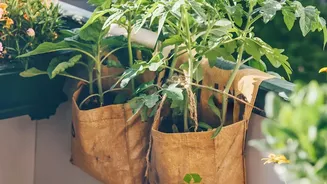
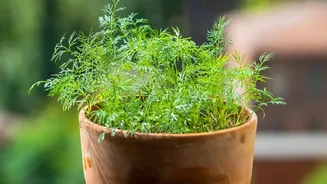
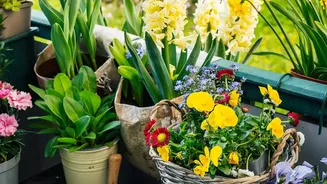
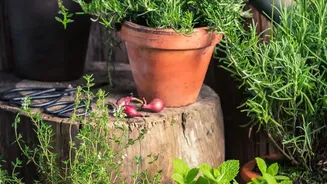
You don't need fancy equipment to get started. The most important factor for your containers is drainage. Ensure every pot has holes at the bottom to prevent waterlogging, which can kill your herbs. Terracotta pots are an excellent choice for Indian climates because their porous nature allows soil to breathe and helps prevent root rot. When it comes to size, a 6 to 10-inch pot is sufficient for most individual herbs. Before you plant, observe your balcony. Identify which spots get full sun (6 or more hours of direct light) and which are partially shaded (3-5 hours). Herbs like Tulsi, Rosemary, and Lemongrass love basking in the sun. Mint and Coriander, on the other hand, prefer a bit of afternoon shade to protect them from the harsh sun. Arranging your pots based on their sunlight needs is a simple step that makes a huge difference.
Creating the Ideal Soil Mix
Using the right soil is crucial for container gardening. Heavy garden soil compacts easily in pots, restricting root growth and drainage. Instead, use a lightweight and well-draining potting mix. You can buy pre-made organic potting mixes online or from a local nursery, which often contain a balanced blend of nutrients. For a simple DIY mix, combine equal parts garden soil, cocopeat, and compost (like vermicompost). Cocopeat is excellent for retaining moisture without making the soil soggy, while compost provides essential nutrients to feed your plants. This blend ensures good aeration, which is vital for healthy root development, helping your herbs to establish themselves quickly and grow strong.
Planting and Daily Care
You can start your herbs from seeds or buy small saplings from a nursery for a head start. Fill your chosen pot with the potting mix, leaving about an inch from the rim. If planting seeds, sow them shallowly as per the packet instructions. For saplings, gently place the plant in the centre and fill the sides with soil. Water your newly potted herbs lightly. The golden rule of watering is to check the soil first. Stick your finger about an inch deep; if it feels dry, it's time to water. Overwatering is a common mistake that can be fatal to herbs. Water deeply until it runs out the drainage holes, then allow the top layer of soil to dry out before watering again. Most herbs are not heavy feeders, so the compost in your initial mix should sustain them for a while.
Harvesting for Continuous Growth
The best part of having an herb garden is harvesting your fresh produce. Regular harvesting actually encourages plants like mint, basil, and tulsi to grow bushier and produce more leaves. When you need some herbs, don't just pull off individual leaves. Instead, use scissors to snip off the top portions of the stems, just above a set of leaves. This technique, often called "pinching back," prompts the plant to sprout new growth from that point. For herbs like coriander, you can regularly cut the outer leaves, allowing the inner leaves to continue growing. This method ensures a continuous supply of fresh herbs for your kitchen and keeps your plants healthy and productive for a longer period.