





The Search for Smarter Travel
For years, Indian international travel was defined by two major windows: summer holidays and the year-end festive break. This often meant navigating packed attractions, surging flight prices, and fully booked hotels. Today, that is changing. An increasing
number of Indian tourists are discovering the strategic advantages of travelling during the 'shoulder season'—the period just between the peak and off-peak months. Reports from travel companies like Thomas Cook and SOTC indicate that September and October are emerging as a new, significant travel window. This shift is driven by a desire for better value, fewer crowds, and more authentic experiences. Travellers are realizing that timing their trip can be just as important as the destination itself, leading to a calmer, more immersive style of tourism.
Europe's Golden Autumn Appeal
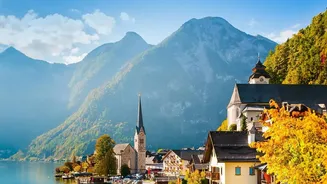
Europe in July and August can be intense, with scorching heat and overwhelming crowds. Autumn, however, offers a different kind of magic. From September to November, the continent transforms with pleasant, crisp weather and stunning fall colours, creating postcard-perfect landscapes in destinations like Bavaria in Germany, Lake Bled in Slovenia, and the Alsace wine region in France. Travel experts highlight that this season provides a more relaxed and authentic experience, where cities like Paris and Rome feel more local than touristy. The benefits are practical, too. Flights and accommodation are often more affordable than the summer, allowing travellers to extend their stays or upgrade their experiences. It is a chance to enjoy wine harvests in Italy, cultural festivals without the queues, and the simple pleasure of a coffee at a street-side cafe in peace.
Spotlight on Central & Eastern Europe
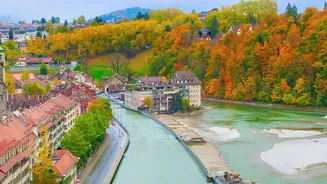
While classic Western European destinations remain popular, the autumn trend has put a spotlight on Central and Eastern Europe. Cities like Prague, Budapest, and Vienna offer immense historical charm and are significantly more budget-friendly. During autumn, their parks and riverbanks are ablaze with colour, and the thinner crowds make exploring castles and cobblestone streets far more enjoyable. As late autumn approaches, many of these cities also begin to open their famous Christmas markets in November, offering a festive experience without the peak December crowds. This combination of beauty, value, and culture is making the region an irresistible choice for a seasonal getaway.
Asia's Shoulder Season Secrets
The shoulder season advantage is just as compelling in Asia. For many destinations, this period means the end of the monsoon season, leaving behind lush, green landscapes and clear skies. In Southeast Asia, countries like Thailand, Vietnam, and Indonesia become particularly appealing. The heavy rains have subsided, but the peak tourist rush of the cooler, drier winter months has not yet begun. This sweet spot allows for comfortable exploration of temples, beaches, and cities. Furthermore, a growing interest in Japanese and South Korean culture is driving travel to East Asia, with autumn offering spectacular foliage that rivals the famous spring cherry blossoms but with fewer visitors.
The Practical Pull of Easier Travel
This trend is not just about aesthetics and weather; it is also supported by practical logistics. A growing number of Asian countries are offering visa-free entry or simplified visa-on-arrival processes for Indian passport holders, making spontaneous or short-haul trips much easier to plan. Destinations like Thailand, Malaysia, Sri Lanka, and Kazakhstan have eased their entry requirements, directly influencing travel decisions. Travel companies have been quick to adapt, now actively promoting off-season packages that bundle competitive flight deals with curated local experiences. This combination of accessibility and affordability is empowering more Indians to explore the world beyond the traditional travel calendar.