

Why A Quarantine Period Is Non-Negotiable
Most houseplant pest infestations start with a new arrival. A plant can look perfectly healthy at the nursery but may harbor tiny pests or their eggs, which are nearly invisible to the naked eye. Common culprits include spider mites, mealybugs, scale,
thrips, and fungus gnats. Skipping quarantine is like leaving your front door unlocked; you’re inviting trouble that can quickly spread and wreak havoc on your entire collection. A quarantine period of two to four weeks gives you the time to spot and address any issues before they become a widespread problem. This simple act of patience is the single most effective thing you can do to protect your plants.
The Initial Health Inspection
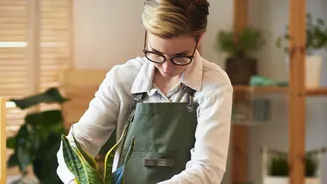
Your diligence should start before you even leave the store. Give the plant a thorough once-over. Inspect the tops and undersides of leaves for any signs of trouble, such as fine webbing, white cottony fluff, or tiny moving dots. Pay close attention to where leaves join the stems, a favorite hiding spot for pests like mealybugs. Look for silvery streaks or stippled damage on the leaves, which could indicate thrips or spider mites. Also, check the surface of the soil for any unwelcome inhabitants. If you see anything suspicious, it's best to choose a different plant. Once home, repeating this inspection in good light, perhaps with a magnifying glass, is a great first step before isolation begins.
Setting Up an Isolation Zone
Quarantine means true physical separation. Placing a new plant on a different shelf in the same room is not enough, as some pests can travel short distances or fly. Ideally, place your new plant in a completely different room for two to four weeks. If a separate room isn't possible, find a spot that is at least a few metres away from any other plants. This location should still provide the appropriate light and care for the plant's needs; quarantining in a dark closet will only stress the plant, making it more susceptible to problems. Throughout this isolation period, maintain its normal watering schedule and continue your watchful inspections.
The Great Soil and Pot Debate
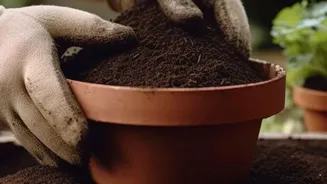
Here is where clear choices are vital. Should you repot your new plant immediately? There are two schools of thought. Some experts advise waiting a few weeks to let the plant acclimate to your home's environment before adding the stress of repotting. However, others argue for immediate repotting. This allows you to get rid of the nursery soil, which may contain pest eggs or fungus gnat larvae. It's also an excellent opportunity to inspect the root system. When you slide the plant from its pot, you can check for healthy roots—they should be firm and light-colored, not black, mushy, or slimy, which are signs of root rot. You can also see if the plant is root-bound. The decision is yours, but if you do repot, use fresh, sterile potting soil and a clean pot to minimize risks.
Vigilant Observation and Treatment
During the two-to-four-week quarantine, weekly inspections are key. Check all parts of the plant, including under the leaves and the soil surface. Some plant owners place yellow sticky traps near the new plant to monitor for flying pests like fungus gnats. If you do find pests, don't panic. Isolating the plant has already prevented their spread. You can treat the infestation with an appropriate method, such as wiping leaves with a damp cloth, spraying with insecticidal soap, or applying neem oil. Addressing the problem while the plant is in quarantine is far easier than battling an outbreak across your entire collection.
Graduation Day: Joining the Collection
After several weeks have passed with no signs of pests or diseases, your new plant can finally graduate from quarantine. It has proven itself to be a healthy and safe addition to your home. When you move it to its permanent location, continue to monitor it for the next week or so, just as a final precaution. This slow, deliberate process might test your patience, but it’s a small price to pay for the peace of mind and the long-term health of your beautiful indoor jungle. Your existing plants will thank you for being such a responsible plant parent.