




Why Mandu Is Magical in the Monsoon
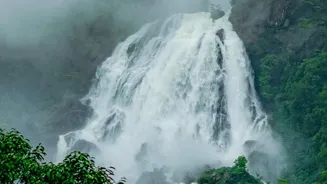
There's a reason Mughal emperors chose Mandu for their monsoon retreats. When the rains arrive, the entire plateau, perched 2,000 feet up in the Vindhya Range, comes alive. The stone ruins are washed clean, stark against the vibrant green landscape, and the many
lakes and reservoirs fill to the brim, creating a romantic, misty atmosphere. The most famous example is Jahaz Mahal, the 'Ship Palace'. Built between two artificial lakes, Munj and Kapur Talao, the palace appears to float like a grand vessel when the water is high, a sight that has captivated visitors for centuries. The cool breeze and fresh, earthy smell after a downpour make exploring this historic fort city a truly unique experience.
Getting There From Indore Without Breaking the Bank
Mandu is approximately 100 kilometres from Indore, making it an ideal distance for a weekend trip. The most budget-friendly way to travel is by bus. State-run and private buses regularly ply the route between Indore and Dhar, the nearest major town to Mandu. From Dhar, it's a short 35 km journey to Mandu, easily covered by local buses or shared taxis. For those who prefer driving, the road trip is scenic and straightforward. Carpooling with friends can make it a very economical option. While Mandu does not have its own railway station, the nearest major railhead is Ratlam, about 124 km away, which connects to major cities. However, for travellers from Indore, the direct road route is the most convenient and cost-effective choice.
Must-See Monsoon Palaces and Monuments
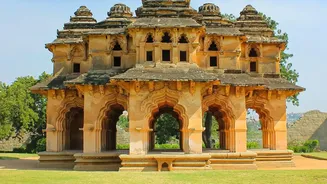
Mandu is a sprawling complex of forts, palaces, tombs, and mosques. The key is to pace yourself. The main sites are grouped together, making them easy to explore. The Royal Enclave is home to the stunning Jahaz Mahal and the Hindola Mahal, or 'Swing Palace', known for its distinctive sloping walls. A single entry ticket for adults is a nominal fee, making it very accessible. Nearby, you can find Hoshang Shah's Tomb, an impressive marble mausoleum that is said to have inspired architects of the Taj Mahal. No trip is complete without visiting the sites linked to the legendary romance of Sultan Baz Bahadur and Rani Roopmati. Baz Bahadur's Palace, with its spacious courtyards and halls, lies near Rewa Kund, a reservoir built to supply water to Rani Roopmati's Pavilion. The Pavilion itself sits atop a hill, offering breathtaking views of the Narmada river valley below, a sight Roopmati cherished.
Affordable Stays and Local Flavours
Mandu caters to all budgets, with plenty of guesthouses, homestays, and budget hotels available for travellers. Properties like the government-run Malwa Retreat offer reliable options close to the main monuments. For food, you can savour the local Malwa cuisine without spending a fortune. Be sure to try regional specialties like Dal Bafla, a roasted wheat ball served with lentils, and Poha, a flattened rice dish popular across the region. Street-side stalls and local restaurants, like Gurukripa Restaurant, offer delicious and authentic meals. You can also try unique local dishes like Dal Paniya and Bhutte Ka Kees (a spiced corn preparation).
A Sample Two-Day Budget Itinerary
To make the most of your weekend, consider this simple plan. Day 1: Arrive from Indore in the morning. After checking into your hotel, head to the Royal Enclave. Spend the afternoon exploring Jahaz Mahal, Hindola Mahal, the Hammam, and the stepwell Champa Baodi. Enjoy the sound and light show at Hindola Mahal in the evening. Day 2: Start your morning at the romantic Rewa Kund group of monuments. Visit Baz Bahadur's Palace and then make the short climb to Rani Roopmati's Pavilion for its stunning views. In the afternoon, explore the Village Group, which includes the grand Jami Masjid and Hoshang Shah's Tomb. Grab a late lunch, enjoying some local specialties before heading back to Indore in the evening.