


The Powerhouse Pulse You've Never Heard Of
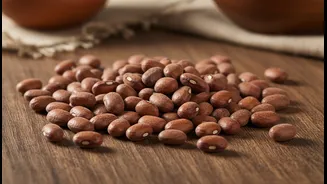
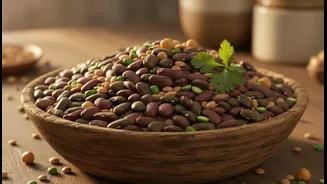
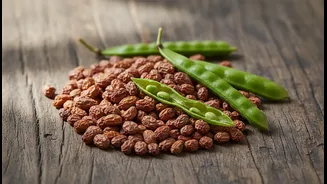
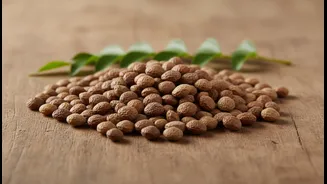
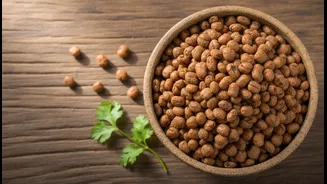
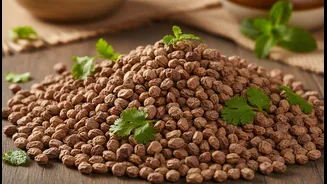
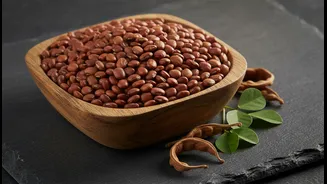
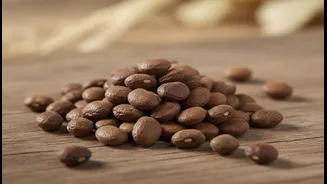
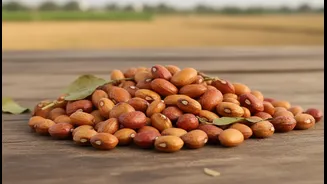
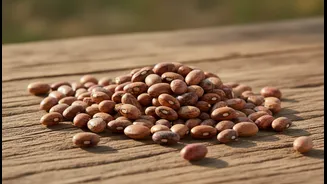
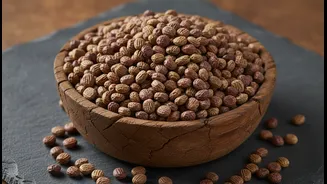
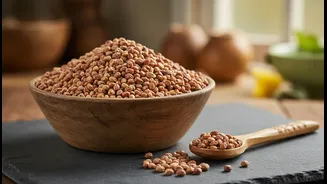
In the world of superfoods dominated by quinoa and kale, a humble, resilient legume is making a quiet but powerful comeback. Horse gram, known regionally as kulthi, hurali, or kollu, is an ancient pulse that has been cultivated in India for millennia.
Historically, it earned its English name for its use as a protein-packed feed for horses and cattle. Today, however, it’s being rediscovered by a new generation that is increasingly looking towards traditional, nutrient-dense foods. This isn't just about a food trend; it's a revival of indigenous wisdom, where wellness is rooted in the soil and heritage of the subcontinent. This tiny lentil, once overlooked, is now being celebrated for its robust nutritional profile and culinary versatility, finding a place on health food store shelves and in the menus of trendy cafes.
A Nutritional Heavyweight
The resurgence of horse gram is largely fuelled by its incredible nutritional density. It is considered one of the most protein-rich lentils on the planet. For vegetarians and vegans, it offers a fantastic source of plant-based protein, crucial for muscle repair and overall stamina. Beyond protein, it boasts the highest calcium content among pulses, making it excellent for bone health. It is also packed with iron, phosphorus, and essential vitamins that help boost immunity and maintain energy levels. Furthermore, horse gram is rich in polyphenols and flavonoids, powerful antioxidants that help combat oxidative stress and inflammation in the body. Its high fibre and low-fat content make it a satisfying addition to any diet, aiding in digestion and weight management by promoting a feeling of fullness.
From Traditional Rasam to Modern Salads
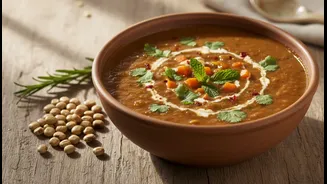
For centuries, horse gram has been a staple in regional Indian cuisine, especially during colder months due to its warming properties, according to Ayurveda. Traditional preparations like Kollu Rasam (a spicy-sour soup from Tamil Nadu) and Ulava Charu (a thick soup from Andhra Pradesh) have long been used as remedies for colds and congestion. In Uttarakhand, Pahadi Kulthi Dal is a winter comfort food. But the new generation isn't just sticking to tradition. Health-conscious foodies are incorporating horse gram in innovative ways. Sprouted horse gram is tossed into vibrant salads and stir-fries. The roasted and ground powder is being added to dosa batters, parathas, and even smoothies for a nutritional boost. This versatility is key to its growing appeal; it seamlessly bridges the gap between ancient culinary practices and modern dietary habits.
More Than a Meal: A Connection to Roots
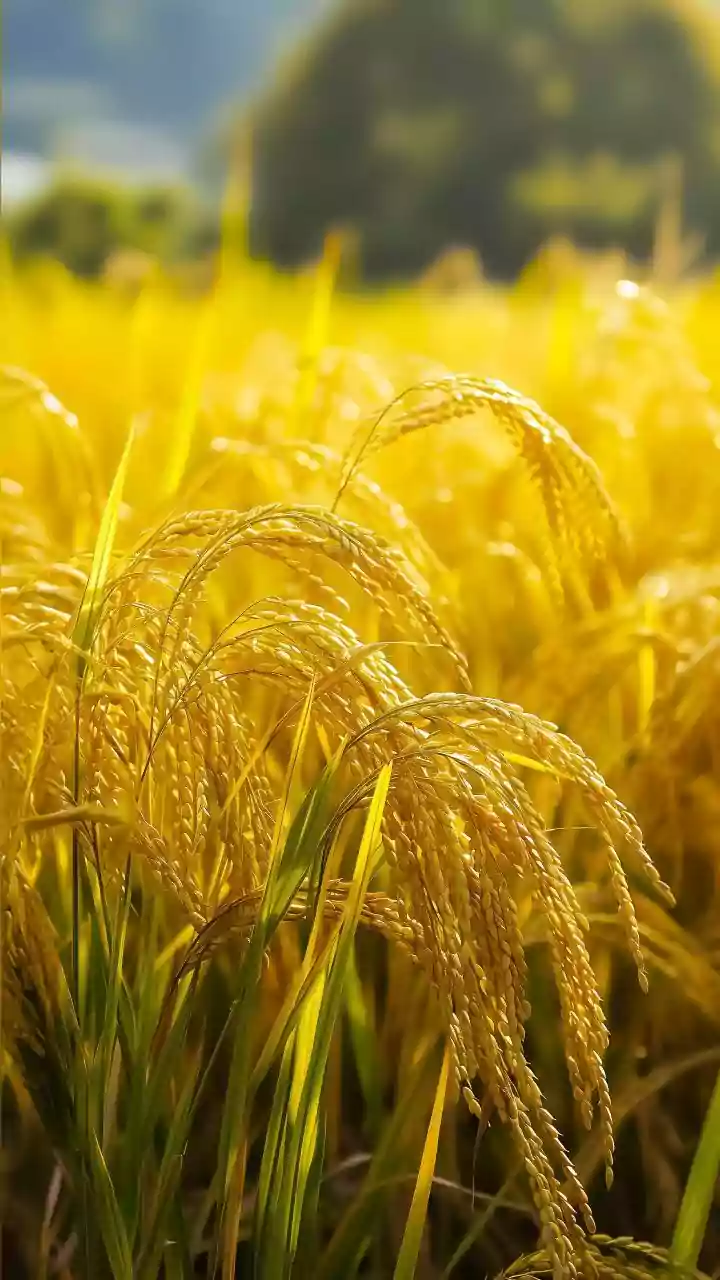
The renewed interest in horse gram goes beyond its health benefits. It represents a larger movement towards sustainable and mindful eating. As a drought-resistant crop, horse gram can thrive in arid conditions with minimal water, making it an environmentally friendly and resilient food source for the future. Its cultivation supports local agricultural practices and biodiversity. For many young Indians, embracing foods like horse gram is also a way to connect with their cultural heritage. In a globalised world, there is a growing desire to rediscover and celebrate indigenous ingredients that have nourished generations. Eating horse gram becomes an act of honouring culinary traditions and supporting a more sustainable food system. It’s a conscious choice to look within one's own culture for answers to modern wellness challenges.