




An Unprecedented Meltdown
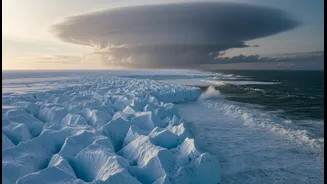
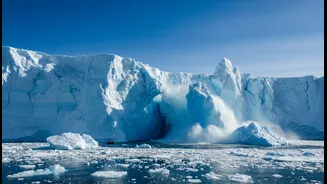
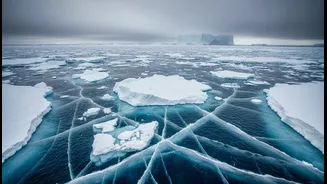
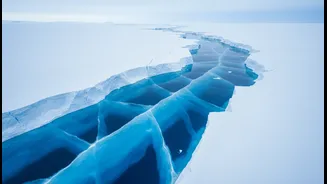
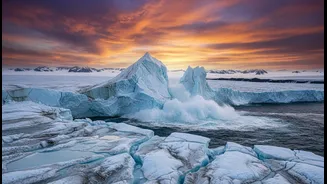
Antarctica is losing ice at a staggering pace. For decades, scientists observed a complex picture, with some areas even gaining ice due to increased snowfall. However, comprehensive surveys now confirm that the overall ice loss is far outpacing any gains.
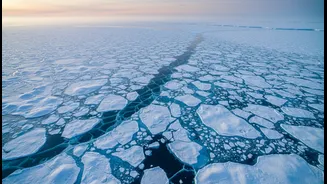
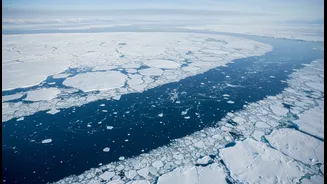
Since 2016, Antarctic sea ice has plunged to record lows and has not recovered. The primary culprits are warming ocean waters melting the ice from below and changes in wind patterns. It's crucial to distinguish between two types of ice. Sea ice, which is frozen ocean water, has a smaller direct impact on sea levels when it melts. The real threat comes from the continent's massive land-based ice sheets. These sheets, particularly in West Antarctica, are losing between 100 and 200 billion tons of ice per year, and this rate is accelerating. If the entire Antarctic ice sheet were to melt, it holds enough water to raise global sea levels by a catastrophic 60 metres (around 200 feet).
The Rising Tide Reaches India's Shores
The connection between a melting glacier in Antarctica and the streets of Mumbai or Chennai is direct: rising sea levels. The water from Antarctica's melting land ice doesn't stay at the pole; it redistributes globally, and India's extensive 7,500-kilometre coastline is acutely vulnerable. Around 250 million people live within 50 kilometres of India's coast. Research shows that cities like Mumbai, Kolkata, and Chennai face a severe risk of flooding from extreme sea-level events. Projections indicate that under high-emission scenarios, the relative mean sea level could rise by nearly a metre by 2100, threatening to inundate low-lying areas. Mumbai has already experienced a significant increase in sea levels, and much of the city lies just metres above the current water line. This isn't a distant, futuristic threat. A modest sea-level rise of just a few centimetres can dramatically increase the frequency and intensity of coastal flooding, especially when combined with storm surges during the monsoon. This puts critical infrastructure, homes, and the livelihoods of millions at risk.
More Than Just Water Levels
The impacts extend far beyond flooding. The massive influx of cold, fresh water from melting ice sheets can disrupt global ocean currents, which are vital for regulating the world's climate. These currents act like a planetary circulatory system, transporting heat around the globe. Changes in the Southern Ocean can influence weather patterns far away, including the all-important Indian monsoon. Scientists are studying how these disruptions could lead to more erratic and extreme weather in India, from prolonged droughts to more intense rainfall events. This has profound implications for the country's agriculture, which is heavily dependent on predictable monsoon patterns. Furthermore, rising sea levels lead to saltwater intrusion, contaminating freshwater sources and rendering agricultural land unusable in coastal regions, a process that is already underway. This threatens food security and the economic stability of India's coastal states.
A Ticking Clock in West Antarctica
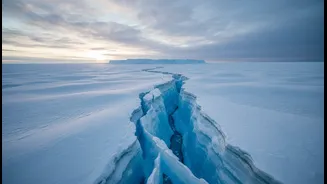
Scientists are particularly concerned about the West Antarctic Ice Sheet, large parts of which may have already passed a tipping point. Glaciers like the Thwaites Glacier, nicknamed the "Doomsday Glacier," are of special concern. Thwaites alone contains enough ice to raise global sea levels by over two feet, and its collapse could destabilise the entire West Antarctic Ice Sheet, potentially leading to a multi-metre sea-level rise over the coming centuries. Research shows the glacier is retreating rapidly as warm ocean water eats away at it from below. While a complete collapse isn't expected in the next few decades, scientists warn the process of irreversible retreat may already be in motion. The future of Thwaites is a stark reminder that what happens in the planet's most remote regions has direct and unavoidable consequences for densely populated coastlines everywhere, including India.