




Your Personal Rain Armour
Investing in the right gear is the first step to a hassle-free commute. While a basic poncho might work for a sudden shower, daily commuters need more robust protection. Opt for high-quality, fully waterproof rain suits with sealed seams, as these prevent
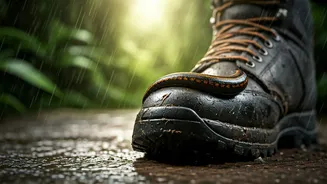
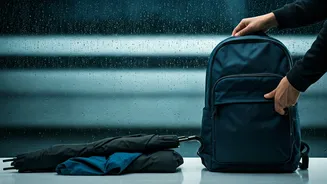
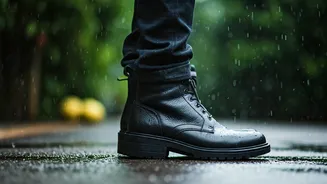
water from seeping in during heavy downpours. Many modern rain jackets are made from lightweight, breathable materials that offer a balance between staying dry and comfortable. Equally important is your choice of footwear. Avoid materials that absorb water and take days to dry. Instead, choose waterproof boots or rubber sandals that provide good grip on slippery surfaces. A waterproof backpack or a reliable rain cover for your bag is also crucial for protecting electronics and important documents.
The Two-Wheeler Survival Guide
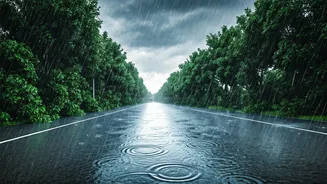
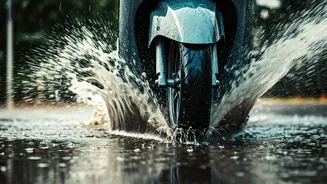
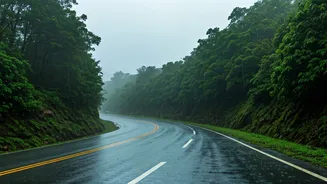
For those on scooters and motorcycles, the monsoon presents a unique set of challenges. Visibility is drastically reduced, so wearing brightly coloured or reflective rain gear is essential to ensure other drivers can see you. Before heading out, always check your tyres for adequate tread depth, as this is crucial for grip on wet roads. It's also wise to check that your headlights, indicators, and brake lights are all functioning correctly. On the road, reduce your speed and increase the distance between you and the vehicle ahead, as braking distances are significantly longer on wet surfaces. Apply brakes gently, using both front and rear brakes, to avoid skidding. Be wary of painted road markings and manhole covers, which become extremely slippery when wet. It's also best to avoid riding through the centre of a lane where oil and other fluids accumulate, making the surface even more treacherous.
Mastering the Four-Wheeler
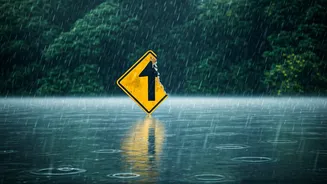
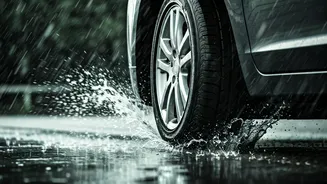
Driving a car might seem like the safest option, but it comes with its own risks. Ensure your wiper blades are in good condition and can clear the windscreen effectively. Check your tyres and brakes, as both are critical for control in wet conditions. When driving, switch on your low-beam headlights even during the day to improve your visibility to others. If you encounter a waterlogged street, avoid driving through it if you're unsure of the depth. If you must proceed, stay in a low gear and keep the engine revs high to prevent water from entering the exhaust. Be extremely considerate to pedestrians and two-wheeler riders, and avoid splashing through puddles.
Navigating Public Transport
Using public transport doesn't entirely shield you from the monsoon's challenges. The journey to the bus stop or train station can leave you drenched. A good raincoat and waterproof footwear are still your best friends. Stations and vehicle floors can be slippery, so watch your step. Live traffic apps can be a lifesaver, helping you avoid routes with major waterlogging or traffic jams, even when using public transport. Be prepared for longer-than-usual travel times and potential crowds. Keeping a small, dry towel and a hand sanitiser in your bag can make the journey more comfortable and hygienic.
The Hidden Dangers of Waterlogging
Wading through stagnant water is often unavoidable, but it poses significant health risks. Floodwater is frequently contaminated with sewage and waste, becoming a breeding ground for bacteria and viruses that can cause diseases like leptospirosis, dengue, and malaria. If you have any cuts or open wounds, they can easily get infected. Wearing closed, waterproof footwear is the best way to protect your feet. If you do have to walk through floodwater, wash your feet and legs thoroughly with soap and clean water as soon as possible. Sitting in wet clothes or shoes for extended periods can also lead to fungal infections, so changing into a dry set of clothes upon reaching your destination is always a good idea.