





The Joy of Zero-Waste Preserving
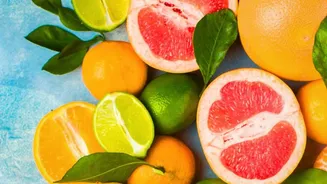
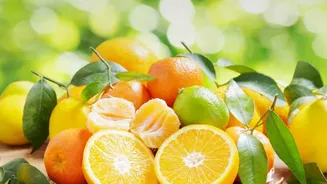
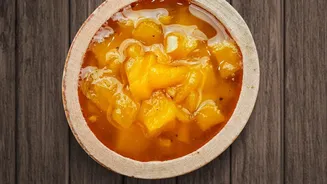
Every year, households contribute to significant food waste, and citrus peels are a frequent casualty. But the most flavourful part of the orange is the peel itself, packed with essential oils. Making marmalade from these so-called scraps is a rewarding
process that honours the entire fruit. It’s a cost-effective way to stock your pantry, reduce your environmental footprint, and create something truly special. Plus, the taste of homemade marmalade, free from artificial preservatives and bursting with pure orange flavour, is leagues ahead of many store-bought varieties. This guide will walk you through transforming what was once waste into a treasure.
Gather Your Simple Ingredients
You don’t need a long list of specialty items to make a brilliant marmalade. The beauty of this recipe lies in its simplicity. Here’s what you’ll need: Orange Rinds: The peels from 4-5 large, preferably organic or well-scrubbed oranges. Sugar: About 2 cups of granulated white sugar. This acts as the preserving agent and provides the sweetness to balance the peel's bitterness. Lemon: The juice of one large lemon. Lemon juice adds necessary acid and, crucially, natural pectin, which helps the marmalade set. Water: Approximately 4 cups.
Preparing the Peels
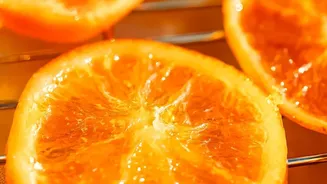
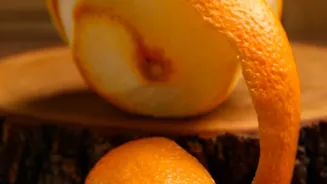
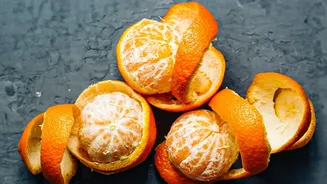
Proper preparation is the key to a beautiful, flavourful marmalade. First, ensure your orange peels are clean; if they aren't organic, give them a good scrub with baking soda and water to remove any wax or residue. Using a sharp knife, carefully scrape away as much of the white pith from the inside of the peels as possible. While the pith contains pectin, it is also the primary source of bitterness. Leaving a little is fine, but removing most of it yields a more pleasant flavour. Once cleaned, slice the peels into thin, uniform strips. To further reduce bitterness, some chefs boil the peels for a few minutes and discard the water, repeating the process once or twice before proceeding.
Cooking to the Setting Point
Combine your prepared orange peels, sugar, lemon juice, and water in a large, heavy-bottomed pot. Bring the mixture to a boil over medium-high heat, stirring until the sugar completely dissolves. Once boiling, reduce the heat to a steady simmer. Allow the marmalade to cook for 45-60 minutes, stirring occasionally to prevent it from sticking to the bottom of the pot. The mixture will gradually thicken and darken in colour. The goal is to reach the 'setting point,' which is the temperature at which the pectin forms a gel. This typically happens around 105°C (221°F).
How to Test for a Perfect Set
If you don't have a candy thermometer, you can use the classic cold plate test. Before you start cooking, place a few small plates in your freezer. When you think the marmalade might be ready, spoon a small amount onto a cold plate and return it to the freezer for a minute or two. Afterwards, push the dollop of marmalade with your finger. If it wrinkles and holds its shape, it has reached its setting point. If it’s still runny, continue to cook the marmalade, testing every 5-10 minutes until it passes the test. This step is crucial for achieving that perfect, spreadable, jelly-like consistency.
Jarring and Sealing for Freshness
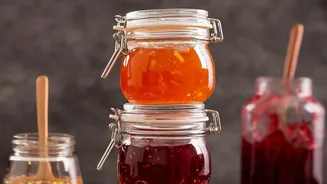
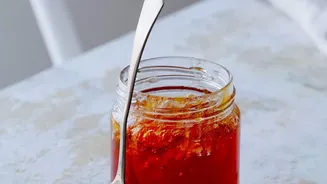
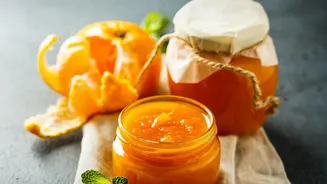
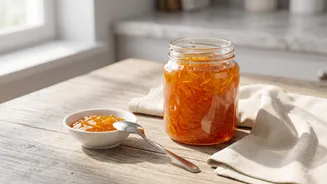
To ensure your marmalade lasts, you must use sterilized jars. To sterilize them, wash the jars and lids in hot, soapy water, rinse well, and then place the jars on a baking sheet in an oven preheated to 140°C (275°F) for about 10 minutes. Lids with rubber seals should be boiled separately. Carefully ladle the hot marmalade into the hot, sterilized jars, leaving about a quarter-inch of headspace at the top. Wipe the rims clean with a damp cloth, securely apply the lids, and let the jars cool completely on the counter. You should hear a 'pop' as the vacuum seal forms. Properly sealed jars can be stored in a cool, dark place for months.