



From Performative to Personal
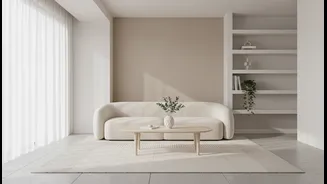
For decades, the centrepiece of many Indian living rooms was a grand sofa set—often covered in plastic until guests arrived. It was furniture designed for a performance, a symbol of status that was rarely used for daily comfort. Today, especially in compact
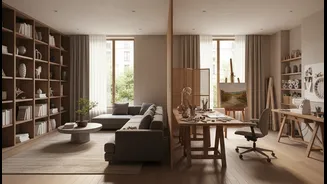
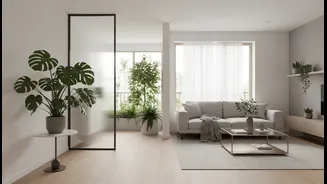
urban apartments where every square foot is precious, that logic is fading. Homeowners are prioritising spaces that support their emotional well-being and daily routines over areas designed solely for occasional visitors. This shift is away from 'museum spaces' that gather dust and towards creating functional, lived-in environments. The focus is now on comfort, flexibility, and creating personal sanctuaries that offer a retreat from a fast-paced world.
The Rise of the Personal Sanctuary
The demand for reading nooks is a direct response to modern life. With hybrid work culture blurring the lines between personal and professional spaces, having a dedicated corner to disconnect is no longer a luxury but a necessity. It's a small, intentional space designed for pause—a place to read, sip coffee, or simply breathe. This trend is reflected in online searches, with platforms like Pinterest reporting a massive surge in queries for 'comfy reading chair small spaces' and 'closet reading nook'. Designers note that these nooks are less about a specific decor style and more about the experience: creating a sense of enclosure, comfort, and security. They are a quiet rebellion against the open-plan's potential for sensory overload, offering a small haven of calm.
Anatomy of the Perfect Reading Nook
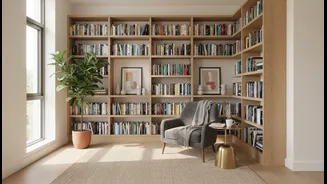
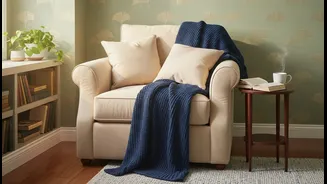
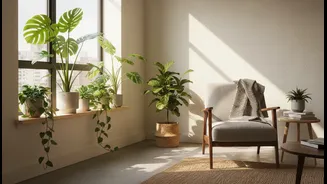
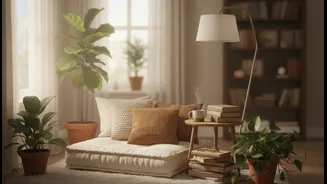
Creating a reading nook is simpler than it sounds and doesn't require a dedicated room. The most effective nooks are often carved out of overlooked spaces: a wide windowsill, the corner of a bedroom, an underutilised balcony, or even the area under a staircase. The essential elements are universal. It starts with a comfortable chair—be it an armchair, a chaise lounge, or even plush floor cushions. Second is lighting; natural light from a window is ideal, supplemented by a good floor or table lamp with warm light to prevent eye strain during evening reading. The final key is a small landing surface, like a side table or a stool, to hold a cup of tea, a book, and maybe a small plant.
Making It Yours in a Small Space
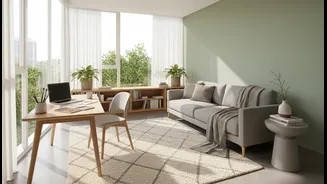
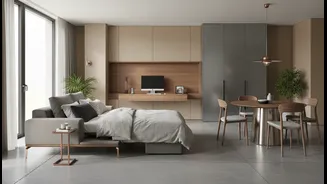
In a compact home, multifunctionality is key. Instead of a bulky, single-purpose sofa, designers suggest opting for modular seating, a stylish two-seater, or a comfortable accent chair that can anchor a reading corner. Vertical space is your best friend. Use tall, narrow bookshelves or floating shelves to store books without eating up floor space. You can define the zone with a small rug, a different wall colour, or even by hanging curtains to create a sense of separation. Personal touches are what transform a corner into a sanctuary. Add cushions and throws in tactile fabrics, display personal art, and keep your favourite books within easy reach. The goal is to create a spot that feels intentionally designed for your own relaxation and enjoyment.