




Understanding the October Rush
October is a peak travel month in India, primarily driven by the festive season. In 2026, major festivals like Navratri, Dussehra (October 20), and the lead-up to Diwali create a massive demand for travel. This isn't just about visiting family; a new
travel window is emerging in September and October for holidays and short breaks. This surge means train tickets on popular routes get booked out months in advance, and bus fares see dynamic price hikes. To travel affordably, planning is not just recommended—it's essential.
Mastering the Indian Railways Game
For many, trains are the backbone of long-distance travel in India. The golden rule is to book early. Indian Railways opens its Advance Reservation Period (ARP) 120 days in advance. For an October trip, this means bookings likely opened back in June. If you find yourself on a waitlist, don't lose hope. Monitor your PNR status, as many cancellations happen in the final 72 hours before departure. To increase your chances during booking, create a 'Master List' of passengers on your IRCTC account beforehand. This auto-fills details, saving precious seconds when bookings open.
Your Last-Minute Hope: Tatkal and Special Trains
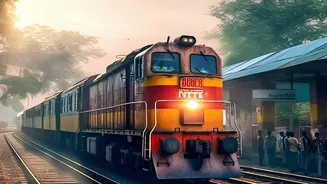
If you've missed the 120-day window, Tatkal is your next option. The Tatkal quota opens one day before a train's departure—at 10 a.m. for AC classes and 11 a.m. for non-AC classes. Be prepared for a fast-paced booking battle. To succeed, use a fast payment method like UPI or the IRCTC e-Wallet. Additionally, Indian Railways announces hundreds of 'Festival Special' trains to manage the rush. For October 2026, multiple zones, including Northern and Central Railway, have already announced special services connecting major hubs like Delhi, Mumbai, Patna, Varanasi, and cities in the south. Keep an eye on the official NTES portal and railway announcements for these trains, as bookings open just before their run dates.
The Flexible Alternative: Bus Travel
Buses offer a flexible and often more available alternative to trains, especially for last-minute plans. They connect even the remotest corners and provide more options when trains are full. For budget travel, state-run Road Transport Corporation (RTC) buses are a reliable choice with fixed, often lower, fares. For more comfort, private operators offer a range of options from sleepers to Volvo AC buses, which can be booked via aggregator apps like redBus, MakeMyTrip, or AbhiBus. An overnight bus journey can also save you money on a night's accommodation.
Strategies for Cheaper Bus Tickets
While bus fares are subject to dynamic pricing, a few strategies can help you save. Booking in advance is generally wise, especially during the festive season. However, some platforms may offer last-minute deals to fill seats. Use online portals to compare prices across different operators. Also, be flexible with your travel dates; travelling on a weekday like a Tuesday or Wednesday is often cheaper than on a weekend. Many booking platforms provide discount coupons and bank offers, so always check for applicable deals before making a payment.
Smart Tips for Every Traveller
A few universal tips can help you cut costs regardless of your mode of transport. Consider breaking your journey; booking two separate tickets for different legs of a long route can sometimes be cheaper and offer better availability. If your primary destination is a major city, check for tickets to a nearby, smaller station and complete the last leg with a local bus or taxi. Finally, travelling a day or two before or after a major festival date can help you avoid the absolute peak of crowds and prices. This small adjustment in your schedule can often lead to significant savings.