



Hoi An: The Enduring Ancient Port
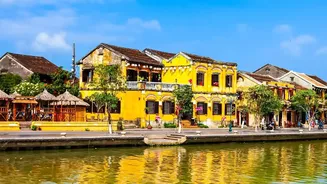
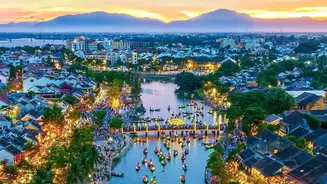
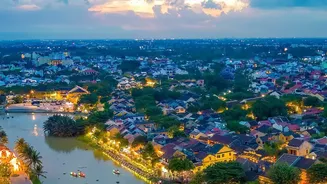
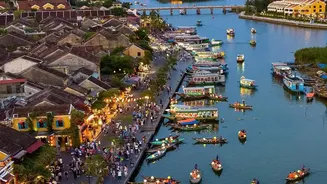
No discussion of Vietnam's historic streets is complete without celebrating Hoi An Ancient Town. This UNESCO World Heritage site was a bustling international trading port from the 15th to the 19th centuries, welcoming merchants from China, Japan, and
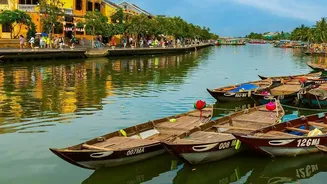
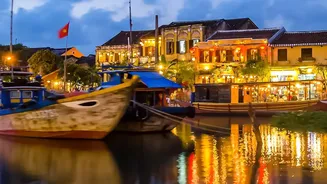
Europe. Today, its past is beautifully preserved in its architecture. Walking through the pedestrian-friendly streets feels like stepping into a living museum. The town is famous for its narrow, winding lanes flanked by mustard-yellow shophouses with traditional wooden frames and tiled roofs. These buildings showcase a unique fusion of Vietnamese, Chinese, and Japanese influences. The most iconic landmark is the Japanese Covered Bridge, built in the early 17th century to connect the Japanese and Chinese communities. As dusk falls, the streets are illuminated by thousands of colourful silk lanterns, casting a magical glow over the Thu Bon River and creating an atmosphere that is truly unforgettable.
Hai Phong: A Tale of Colonial Commerce
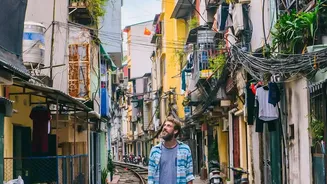
As a major port city in northern Vietnam, Hai Phong offers a different but equally compelling historical flavour. Its architectural character is heavily shaped by its time as a major administrative and industrial centre during the French colonial era. The city’s old quarter is concentrated around Tam Bac and Ly Thuong Kiet streets, which run along the Tam Bac River. A walk here reveals grand neoclassical buildings, elegant villas with arched windows, and wide, leafy boulevards reminiscent of European cities. Though many buildings now house modern shops, looking up past the ground-floor facades reveals original plasterwork and the enduring charm of a bygone era. Key landmarks like the magnificent Hai Phong Opera House, modelled after its Parisian counterpart, and the city's main post office stand as proud relics of this period. The city has made efforts to preserve this historic atmosphere, resisting skyscrapers in the core area to maintain its old-school vibe.
Da Nang: French Traces in a Modern City
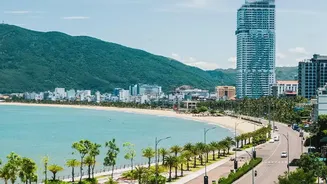
While now known as a rapidly growing modern metropolis, Da Nang also holds important architectural reminders of its colonial past. During the French period, when it was known as Tourane, the city served as a key administrative and military outpost. Though much of the city has been redeveloped, pockets of French colonial architecture still exist, particularly in the city centre. One of the most striking landmarks is the pale pink Da Nang Cathedral, completed in 1923 and affectionately called the 'Rooster Church' by locals because of the weathervane atop its spire. A stroll along streets like Tran Phu or Le Loi can reveal preserved villas and administrative buildings that hint at the city’s complex history, where colonial influence has been absorbed into the local visual identity. These structures provide a fascinating contrast to the sleek bridges and high-rises that define Da Nang today.
The Living History Experience
Exploring these historic streets is about more than just architecture; it's an immersive cultural experience. In Hoi An, you can sample local delicacies like Cao Lau noodles or get custom-tailored clothing made in a day, a tradition stemming from its trading port past. Many old houses have been converted into museums, cafes, and artisan workshops, allowing you to step inside and imagine life centuries ago. In Hai Phong, the old streets are still a hub of local life, with bustling markets and street food stalls operating in the shadows of colonial buildings. These coastal towns are not frozen in time but are dynamic places where the past and present coexist, offering a rich, multi-layered experience for any traveller. Walking these streets connects you to the generations of sailors, merchants, and artisans who shaped the vibrant soul of Vietnam's coastline.