




What Exactly is Sattu?
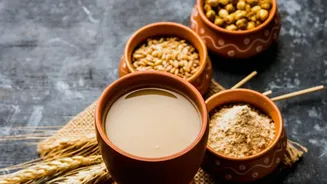
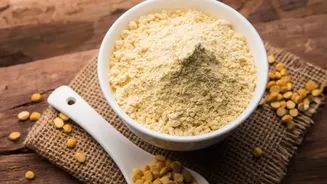
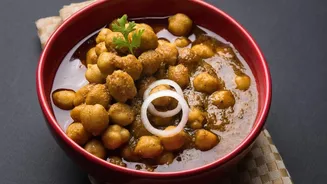
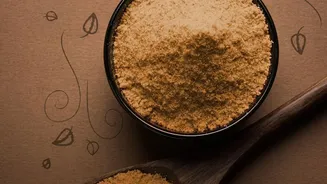
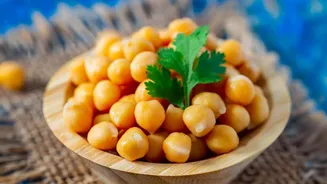
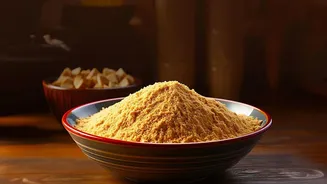
Sattu is a flour made from roasted Bengal gram (chana). This traditional ingredient, especially popular in states like Bihar, Jharkhand, and Uttar Pradesh, has been a dietary cornerstone for generations, often called the 'poor man's protein' for its affordability
and high nutritional value. The roasting process is key; it not only imparts a unique nutty flavour but also makes the nutrients within the gram more digestible. Unlike processed supplements, sattu is a whole food, minimally handled and naturally gluten-free, retaining its fibre, vitamins, and minerals.
A Nutritional Powerhouse
Don't let its simple origins fool you; sattu is packed with performance-boosting nutrients. A 100-gram serving typically contains around 20-25 grams of plant-based protein, crucial for repairing and building muscle tissue after exercise. It also provides approximately 60-65 grams of complex carbohydrates, which are vital for replenishing depleted energy stores (glycogen) post-workout. Furthermore, it is an excellent source of dietary fibre, which aids digestion and promotes a feeling of fullness. Sattu is also rich in essential minerals like iron, magnesium, calcium, and potassium, which support everything from bone health to blood circulation and muscle function.
Perfect for Post-Workout Recovery
The combination of protein and complex carbs makes sattu an ideal recovery food. The protein helps repair the micro-tears in muscles that occur during intense training, while the low-glycemic carbs provide a steady release of energy without causing a sugar crash. This sustained energy release is crucial for avoiding post-exercise fatigue. Many users also value sattu for its cooling properties, a traditional belief supported by its hydrating effects, making a sattu drink incredibly refreshing after a sweaty workout, especially in India's climate. Its high fibre content can also aid in better nutrient absorption from the gut.
The Unbeatable Budget Advantage
Here's where sattu truly shines for the budget-conscious athlete. Compared to commercially available whey protein, the cost difference is staggering. While whey protein can cost anywhere from ₹3 to ₹8 per gram of protein, sattu often costs less than ₹1 per gram. A standard serving of whey might provide more protein than a sattu drink, but the cost-effectiveness of sattu allows for flexible and frequent use without straining your wallet. For those looking for balanced, whole-food nutrition, sattu delivers incredible value that highly processed supplements simply cannot match.
How to Prepare a Sattu Recovery Shake
Making a post-workout sattu drink is simple and takes just minutes. For a basic savoury version, mix 3-4 tablespoons of sattu flour in a glass of water. Add a pinch of black salt, a dash of roasted cumin powder, and a squeeze of lemon juice, then stir well until smooth. For a sweet and more protein-dense version, blend the sattu with milk or a plant-based alternative, half a banana for glycogen replenishment, and a teaspoon of honey or jaggery. You can even add a teaspoon of ground flaxseeds for anti-inflammatory omega-3s. The key is to consume it within 30-45 minutes after your workout to maximize nutrient absorption for recovery.