





The Power of Three Ingredients
At first glance, betel leaf, ginger, and lemon might seem like an unusual combination for a drink. In Indian homes, however, these ingredients have long been staples for flavour and wellness. Each one brings a unique property to the table, and together
they create a potent blend aimed at supporting your digestive system. Ginger is a well-known stomach soother, lemon helps kickstart the digestive process, and betel leaf, or *paan*, holds a special place in traditional medicine for its digestive benefits. This lemonade isn't just a tasty beverage; it’s a modern take on age-old wisdom designed to offer gentle relief.
Betel Leaf: A Digestive Tradition
Often associated with the post-meal mouth freshener *paan*, the betel leaf has been used in Ayurveda and other traditional practices for centuries to aid digestion. Chewing a betel leaf is believed to stimulate the secretion of saliva, which is the very first step of digestion. Saliva contains enzymes that begin breaking down food, making the rest of the process easier on your stomach and intestines. Furthermore, betel leaves are thought to have carminative properties, meaning they can help prevent the formation of gas in the gastrointestinal tract and facilitate its expulsion, providing relief from bloating and discomfort. Incorporating it into a lemonade is a simple, palatable way to access these traditional benefits.
Ginger: The Stomach's Best Friend
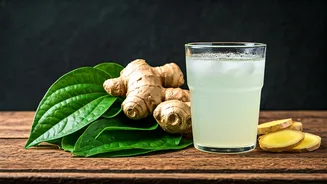
There’s a reason your grandmother offered you ginger tea when you had an upset stomach. Ginger is one of the most studied and celebrated ingredients for digestive health. Its primary active compound, gingerol, is a powerful anti-inflammatory and antioxidant. It is widely recognised for its ability to combat nausea, whether from motion sickness or indigestion. Ginger also helps with what’s known as gastric motility—the process of food moving from your stomach to the rest of your digestive tract. By encouraging this movement, it can prevent the feeling of food just 'sitting' in your stomach, which often leads to discomfort and bloating. A fresh, spicy kick of ginger in this lemonade does more than just add flavour.
The Recipe: Betel Ginger Lemonade
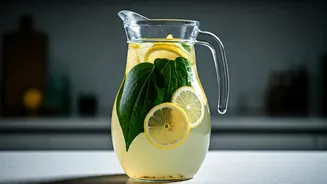
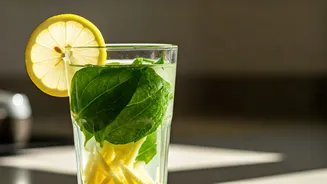
Ready to try it for yourself? This recipe is simple and can be adjusted to your taste. **Ingredients:** - 2-3 fresh, tender betel leaves (*paan* patta) - 1-inch piece of fresh ginger, peeled and roughly chopped - Juice of 1 large lemon (or 2 small ones) - 2 tablespoons of honey, jaggery, or your preferred sweetener (adjust to taste) - 2 glasses of water (approx. 500 ml), chilled or at room temperature - A pinch of black salt (*kala namak*), optional **Instructions:** 1. Wash the betel leaves thoroughly. Tear them into small pieces and place them in a blender. 2. Add the chopped ginger and a small amount of water (about 1/4 cup) to the blender. Blend until you have a smooth, green paste. 3. Place a fine-mesh sieve or a piece of muslin cloth over a jug. Pour the paste through the sieve, pressing down with a spoon to extract all the liquid. Discard the fibrous pulp. 4. To the extracted juice, add the lemon juice, the remaining water, and your sweetener of choice. Stir well until the sweetener is fully dissolved. 5. For an extra digestive boost and a tangy flavour, add a pinch of black salt and stir again. 6. Pour into glasses and serve. You can add a few ice cubes if you prefer it chilled.
When and How to Enjoy It
For the best results, consider drinking a small glass of this lemonade about 20-30 minutes after a heavy meal. This timing allows the ingredients to help kickstart the digestive process just when your body needs it most. It can help prevent that post-meal slump and feeling of excessive fullness. However, it's also a wonderfully refreshing drink to have on a warm afternoon. Avoid drinking it on a completely empty stomach, especially if you are sensitive to acidic foods, as the lemon content is high. The key is to listen to your body. Start with a small quantity to see how you feel, and if you enjoy it, you can make it a regular part of your wellness routine after indulgent meals.