







What Is the Hyper-Palatability Trap?
The term 'hyper-palatable' refers to foods engineered to be irresistible. Food scientists create these products by combining fat, sugar, sodium, and carbohydrates in ways that don't exist in nature. This specific combination triggers the reward centres
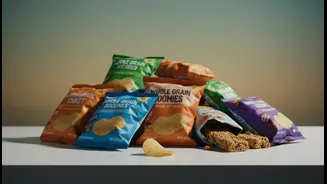
in your brain, creating intense pleasure and overriding your body's natural signals of fullness. The result is that you keep eating long after you're physically satisfied. It’s not a personal failing; it's a biological response to food designed to be addicting. Many processed foods, from chips and cookies to even some frozen meals and sauces, fall into this category.
The Science of Engineered Cravings
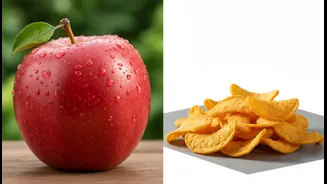
Food companies invest heavily in finding the 'bliss point' of a product—the perfect amount of salt, sugar, and fat that makes it maximally desirable. These foods create a highly rewarding eating experience that our bodies aren't evolutionarily equipped to handle. Natural foods, like an apple, typically have one dominant nutrient (sugar) balanced with fiber and water, which slows absorption and helps you feel full. Hyper-palatable foods, however, are often stripped of these satisfying nutrients like fiber and protein, allowing for rapid absorption that keeps you wanting more. Researchers have identified three main combinations: fat and sodium (like in processed meats), fat and sugar (like in cakes), and carbohydrates and sodium (like in crackers and pretzels).
Decoding the 'Health Halo' of Diet Snacks
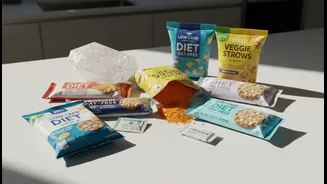
This is where the trap becomes especially clever. Many snacks marketed as 'healthy' are just as hyper-palatable as their regular counterparts. Words like 'low-fat,' 'sugar-free,' 'baked,' or 'keto-friendly' can create a 'health halo,' making you believe you're making a good choice. However, when manufacturers remove fat, they often compensate by adding more sugar, salt, or refined carbohydrates to maintain that irresistible taste. Veggie sticks, granola bars, flavored yogurts, and baked chips are common culprits that sound nutritious but are often highly processed and designed to keep you snacking.
How to Read Labels Like a Pro
The key to avoiding the trap is to ignore the flashy marketing on the front of the package and turn directly to the nutrition label and ingredient list. First, look at the ingredient list. Ingredients are listed by weight, so the first few make up the bulk of the product. If sugar (under names like high-fructose corn syrup, dextrose, or maltose), refined flours, or hydrogenated oils are near the top, be wary. A long list of chemical-sounding ingredients is another red flag. Next, check the nutrition facts for high levels of added sugar and sodium. As a general rule, shorter, more recognizable ingredient lists signal a less processed food.
Smart Swaps and Real Snack Solutions
Escaping the trap doesn't mean you can't snack; it just means choosing smarter. The goal is to opt for whole, minimally processed foods that provide genuine nutrients. Instead of a sugary granola bar, try a handful of almonds and an apple. Instead of veggie straws, which often lack fiber, eat actual raw vegetables like bell peppers or carrots with hummus. Other excellent choices include plain Greek yogurt with fresh berries, hard-boiled eggs, roasted chickpeas, or whole-wheat toast with avocado. These snacks contain fiber, protein, and healthy fats that will actually leave you feeling full and satisfied, breaking the cycle of engineered cravings.