



The Monsoon Advantage
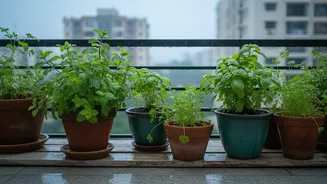
If summer is a season of survival for plants, the monsoon is one of abundance. The cooler temperatures, increased humidity, and softer sunlight create the perfect conditions for many herbs to thrive. Rainwater itself is a key ingredient; it's naturally
softer than treated tap water and helps wash away chemical residues from the soil, allowing roots to absorb nutrients more efficiently. For moisture-loving herbs like mint and coriander, the rainy season provides the ideal environment for rapid growth, rewarding even novice gardeners with a lush harvest.
A Craving for Freshness and Flavour
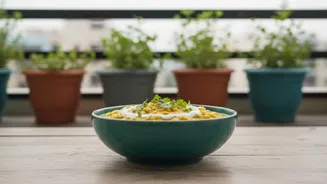
There's a unique satisfaction in snipping a few sprigs of pudina for your evening chai or fresh dhaniya to garnish a curry, just moments before serving. Homegrown herbs offer a depth of flavour that store-bought alternatives, often wrapped in plastic, simply can't match. This direct access to fresh ingredients enhances everyday meals without adding extra sodium or fats. A small collection of pots can provide enough herbs for daily cooking, saving money and reducing trips to the market. This trend reflects a growing desire among urbanites to connect with their food and enjoy organic produce grown right at their doorstep.
A Green Sanctuary for Wellness
In the concrete landscape of a city, a balcony garden offers a much-needed patch of nature. The act of tending to plants is widely recognised as a therapeutic activity that can relieve stress and promote mental well-being. This connection to the natural world feels even stronger during the monsoon, as the small patch of green becomes a lively ecosystem, attracting butterflies and birds. Beyond the psychological benefits, having plants like Tulsi (Holy Basil) at home is also believed to help purify the air. This small-scale gardening provides a mindful escape from the hustle of daily life, turning a simple balcony into a personal retreat.
Small Space, Big Impact
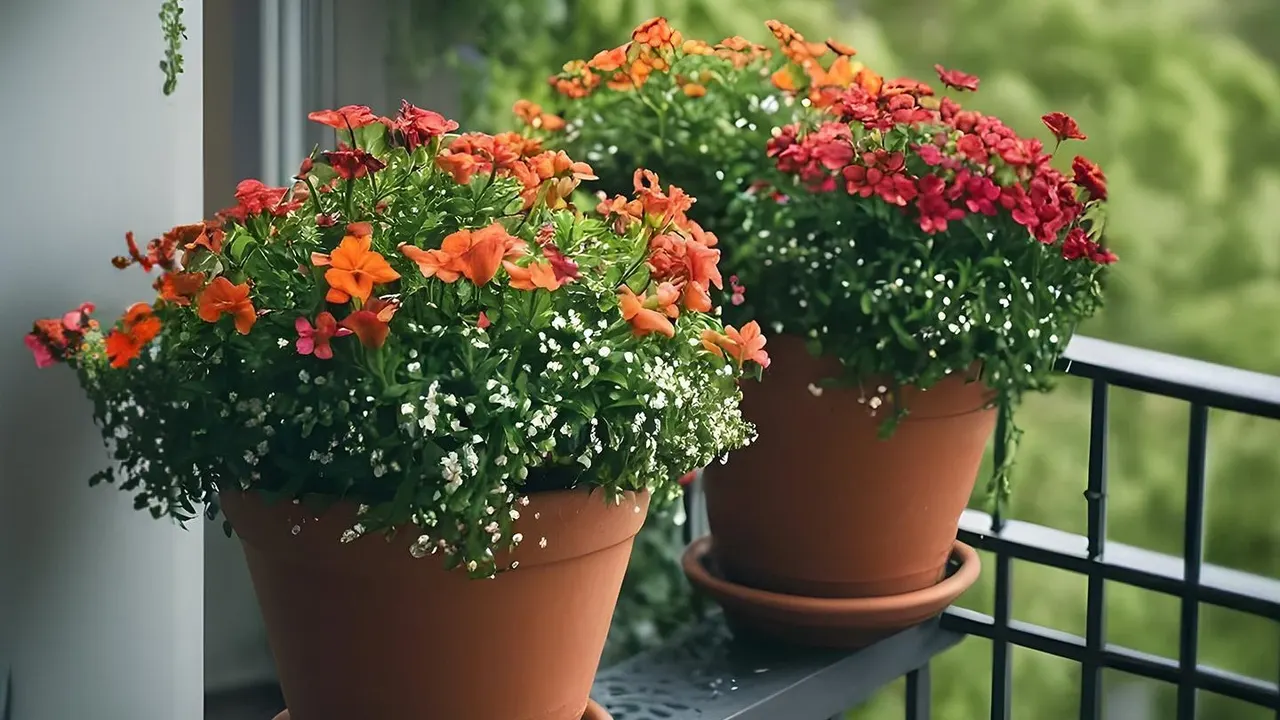
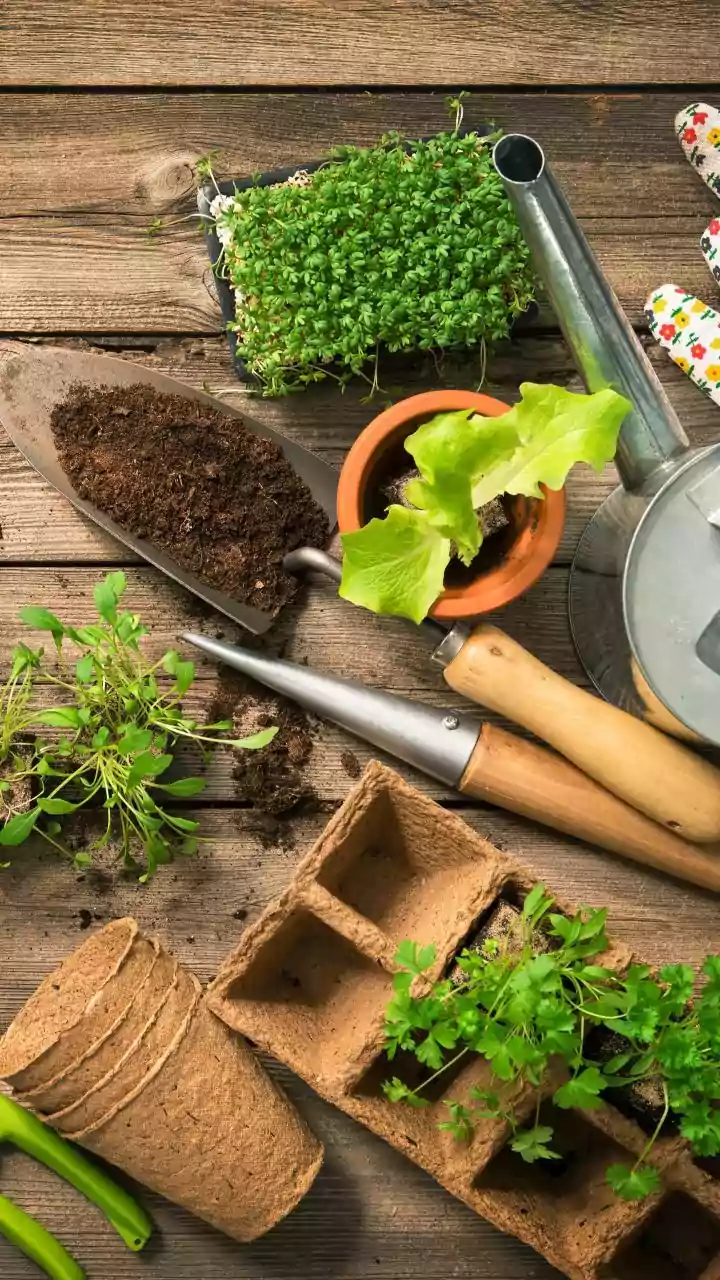
The beauty of a herb garden is its accessibility. You don’t need a sprawling lawn; a few pots on a windowsill, a small railing, or a corner of a balcony is enough to get started. Herbs are particularly well-suited to container gardening, making them perfect for compact urban living. The initial investment is minimal, often requiring just a few containers, some good soil, and seeds or cuttings. This low barrier to entry makes it an easy and rewarding hobby for beginner gardeners to embrace. Furthermore, these small green patches contribute to urban biodiversity, creating mini-habitats and 'stepping stones' for pollinators like bees and butterflies navigating the cityscape.
Your Monsoon Starter Kit: Five Easy Herbs
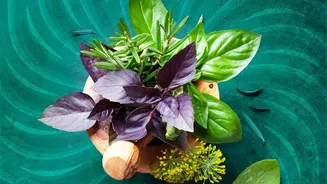
Getting started is simpler than you think. Here are five herbs that flourish in Indian monsoon conditions: 1. Mint (Pudina): Famously easy to grow, mint loves moisture and thrives in the rainy season. It grows quickly and is perfect for chutneys, drinks, and teas. 2. Coriander (Dhaniya): A staple in Indian kitchens, coriander is fast-growing and doesn't require much attention, making it perfect for beginners. 3. Tulsi (Holy Basil): Known for its immunity-boosting properties, Tulsi is a low-maintenance and highly adaptable plant that does well in pots. It's particularly useful during the damp monsoon months. 4. Lemongrass: With its refreshing citrusy aroma, lemongrass grows well during this season. Ensure its pot has good drainage to prevent waterlogging. 5. Spinach (Palak): While a leafy green, palak germinates quickly in the damp soil of the monsoon and grows well in containers, providing a quick and nutritious harvest.