






Choose the Right Monsoon Champions
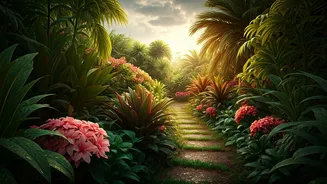
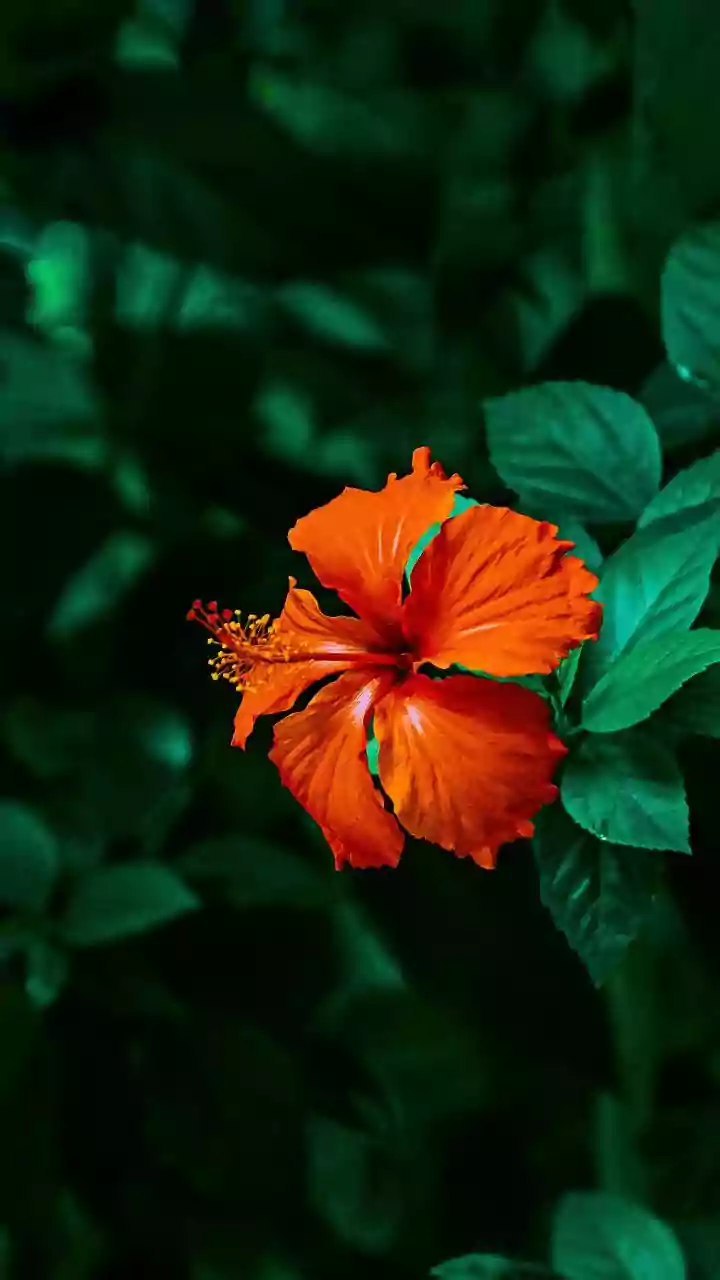
The single best way to enjoy monsoon gardening is to work with nature, not against it. This is the perfect time to introduce plants that thrive in high humidity and regular watering. Think of vibrant flowering plants like Balsam (Gulmehndi), Hibiscus,
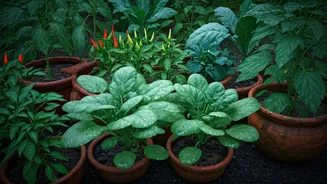
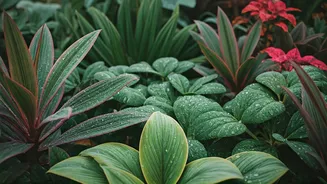
and Spider Lily, which come alive in the rains. This is also the prime season for growing your own spices and rhizomes. Plant turmeric, ginger, and galangal, as the moist soil helps them establish strong roots. For lush greenery, consider caladiums with their stunning, colourful leaves, or ferns that adore the damp, shaded corners of your balcony or garden. By choosing plants that love the monsoon, you’ll spend less time worrying about rot and more time enjoying the explosive growth.
Go Vertical to Beat Waterlogging
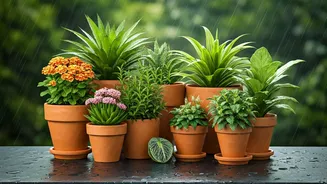
Waterlogged pots are the number one enemy during the monsoon, leading to root rot and unhappy plants. The solution? Think upwards! Vertical gardening is not just a space-saver; it’s a brilliant strategy for better drainage. Use stacked planters, wall-mounted pouches, or trellises for climbing plants like money plant or passionflower. Elevating your pots on stands or bricks also helps air circulate underneath and allows excess water to drain away freely. This simple trick prevents your plant roots from sitting in stagnant water, ensuring they stay healthy even during the heaviest downpours. Plus, a vertical garden creates a stunning 'wall of green' that looks incredibly lush and beautiful.
Add Splashes of Colour and Sound
Make your garden a sensory delight that complements the moody monsoon sky. Introduce pops of colour with waterproof planters in bright yellows, blues, and reds. These can instantly lift the grey atmosphere. Beyond visuals, consider adding sound. A simple rain chain, hung from a gutter or a roof edge, transforms a boring downspout into a beautiful water feature. The gentle, melodic sound of water trickling down the chain adds a meditative quality to your garden. You can also hang a few wind chimes to capture the monsoon breeze. These small aesthetic touches make your garden a place you want to be in, even when it’s drizzling.
Master the Art of Drainage
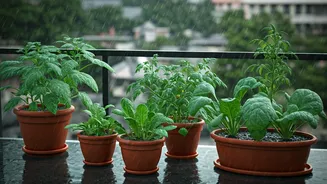
Good drainage is non-negotiable. Before the season begins, check that all your pots have unobstructed drainage holes. If you’re repotting, add a layer of broken pottery shards (thekri) or gravel at the bottom before adding soil. This creates a buffer zone that prevents water from clogging the exit. For the soil itself, make it lighter and more porous by mixing in cocopeat or perlite. This improves aeration and stops the soil from becoming a dense, muddy block. And remember, just because it’s raining doesn’t mean you stop watering entirely. On days without rain, check the soil moisture; sometimes the top layer is wet but the roots below are dry.
Create a Fragrant Monsoon Corner
The earthy smell of the first rains (petrichor) is iconic, and you can enhance it by curating a corner of fragrant plants. The monsoon air is heavy and holds scents beautifully. Plant night-blooming jasmine (Raat ki Rani), tuberose (Rajnigandha), or gardenias. As evening falls, their intoxicating fragrance will drift through your home. Lemon balm and mint are also excellent choices; their leaves release a refreshing scent when raindrops splash on them. Position these plants near a window or your favourite seating spot on the balcony to create a truly immersive and aromatic monsoon experience.
Get Ahead of Pests and Fungi
Unfortunately, the dampness that your plants love is also a paradise for pests and fungal diseases. The fun part is tackling them proactively like a true garden guardian. Keep a bottle of neem oil solution handy (mix a few drops with liquid soap and water) and spray your plants once a week as a preventive measure. This organic solution deters common pests like aphids and mealybugs. Ensure there is good air circulation between your plants by pruning overgrown foliage and not crowding them too closely. Regularly check the undersides of leaves for any signs of trouble. A little vigilance goes a long way in keeping your green space healthy and thriving.