








What is Food Literacy, Anyway?
Food literacy is much more than knowing how to read a nutrition label. It is the ability to understand food in a way that fosters a positive, lifelong relationship with it. This involves a collection of skills and knowledge: understanding where food comes
from, how it's grown, and its journey to our plates. It also includes practical abilities like planning meals, selecting fresh ingredients, and cooking. Crucially, food literacy connects personal health to a larger system, encouraging choices that support a sustainable environment and economy. It’s about moving beyond simply being told what to eat, and instead developing the wisdom and confidence to make informed choices that feel good for both body and mind. It empowers individuals to navigate the complex modern food system, from deciphering marketing claims to appreciating the cultural significance of what we consume.
The Indian Context: A Dual Challenge
India faces a unique and complex nutritional challenge, often called the “triple burden of malnutrition”: the coexistence of undernutrition, micronutrient deficiencies, and rising rates of obesity and related non-communicable diseases like diabetes. For young people, this is compounded by rapid urbanisation, the widespread availability of ultra-processed foods, and the relentless influence of social media. Diet culture, often promoting Western-centric and restrictive eating patterns, can feel particularly alienating and unsustainable against the backdrop of India's rich and diverse culinary traditions. Studies show that while many young Indians can distinguish between healthy and unhealthy foods, they often lack deeper nutritional knowledge. This makes them vulnerable to both poor dietary habits and the negative psychological impacts of fad diets. This environment creates an urgent need for an approach that is culturally relevant and empowering, not punishing.
Empowerment Over Restriction
The greatest promise of food literacy is its power to dismantle restrictive diet culture. Diets often operate on a model of deprivation and morality, labelling foods as “good” or “bad.” This can lead to cycles of guilt and anxiety around eating. Food literacy, in contrast, builds competence and confidence. When a young person understands the role of carbohydrates in providing energy, the importance of local, seasonal vegetables for vitamins, or how to prepare a balanced meal that is both nutritious and delicious, food is no longer the enemy. It becomes a source of nourishment and enjoyment. This knowledge allows for intuitive eating, where one learns to listen to their body's hunger and satiety cues. It replaces rigid rules with flexible, informed decision-making, acknowledging that health is not about perfection but about building sustainable, positive habits over time.
Reconnecting with Cultural Roots
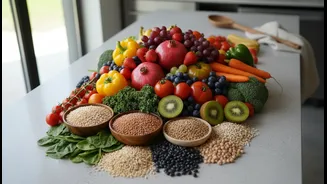
A key aspect of food literacy in India is reconnecting with the nation's immense culinary heritage. Traditional Indian food systems, with their emphasis on regional produce, seasonal eating, and a diverse range of grains, pulses, and spices, contain deep-seated wisdom about nutrition and balance. However, these practices are being eroded by the dominance of monotonous, cereal-rich diets and processed foods. Food literacy can serve as a bridge, teaching young people the value of a traditional thali, the benefits of millets, or the nutritional power of local greens they may have dismissed. By understanding the 'why' behind their grandmother's recipes, they can appreciate them not just as tradition, but as a blueprint for healthy living. This fosters cultural pride and provides a sustainable, accessible, and affordable path to good health that feels authentic and rooted in their own identity.
The Path Forward: From School to Home
Bringing food literacy to the forefront requires a multi-pronged approach. Experts and policymakers are increasingly calling for its integration into school curricula, not just as a side note but as a core life skill. Initiatives under India's National Education Policy (NEP) 2020 provide a framework for this. School gardens, cooking classes, and modules on local agriculture can make learning interactive and impactful. At home, families can play a crucial role by involving children in meal planning and preparation. Even simple conversations about where food comes from or trying a new vegetable together can build a foundation of curiosity and knowledge. By making food education a shared community effort, we can equip the next generation with the tools they need to thrive.