





Decoding the ‘Ultra’ in Processed Foods
Not all processing is bad. Minimal processing, like freezing vegetables or canning chickpeas, can make food safer and more accessible. But ultra-processed foods are in a different league. According to the widely used NOVA classification system, UPFs are industrial
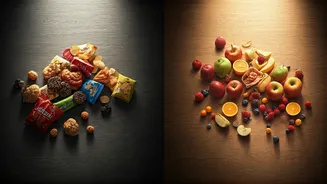
formulations made from substances extracted from foods, often with five or more ingredients. Think of it this way: if you can't picture the ingredients in your own kitchen—things like hydrogenated oils, protein isolates, flavour enhancers, emulsifiers, and artificial colours—it's likely a UPF. These products are designed for maximum convenience, long shelf life, and hyper-palatability, meaning they are engineered to be irresistibly tasty. Common examples in Indian households include instant noodles, packaged chips and namkeens, sweet biscuits, sugary breakfast cereals, and frozen ready-to-eat meals.
Why Your Body Notices the Difference
The convenience of UPFs comes at a significant cost to our health. A growing body of research links high consumption of these foods to a range of chronic diseases. Studies have consistently found positive associations between high UPF intake and an increased risk of obesity, type 2 diabetes, and cardiovascular diseases like heart attacks and strokes. One major review found that high UPF consumption was linked to a higher risk of dozens of health conditions. These foods are often high in unhealthy fats, added sugars, and salt, while being low in essential nutrients and fibre. The additives and the lack of whole food structure can disrupt the body's natural appetite signals, leading to overeating and weight gain. Furthermore, some research indicates a link between high UPF intake and increased markers of inflammation in the body.
Become a Savvy Label Detective
Spotting UPFs might seem daunting, but a few simple habits can turn you into an expert. The single most powerful tool is the ingredients list. A long list of ingredients is your first red flag. A simple rule of thumb: if a product has more than five ingredients and includes names you don't recognise or wouldn't use in a home kitchen, it’s probably ultra-processed. Look for industrial ingredients like high-fructose corn syrup, maltodextrin, hydrogenated oils, and protein isolates. Also, watch for 'cosmetic' additives designed to improve taste and texture, such as emulsifiers (like soy lecithin), thickeners, artificial flavours, and colours. Don't be fooled by health claims on the front of the package. Flavoured yogurts, 'whole grain' cereals, and protein bars are often surprisingly ultra-processed.
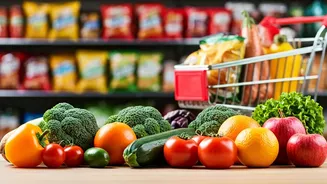
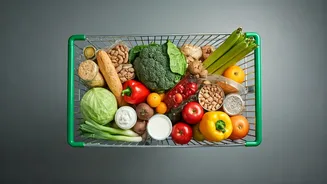
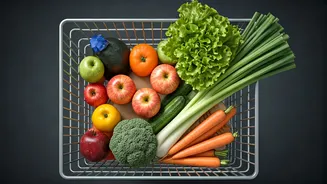
Simple Swaps for a Healthier Trolley
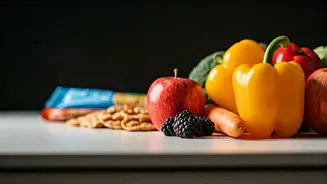
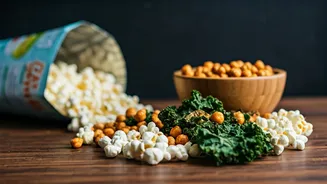
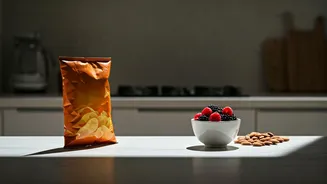
Reducing UPFs isn't about achieving perfection or eliminating all your favourite foods overnight; it's about making small, consistent swaps. Instead of a sugary breakfast cereal, try plain porridge oats with fresh fruit and a drizzle of honey. Swap packaged fruit juices and soft drinks, which are classic UPFs, for water, milk, or fresh nimbu pani. For a snack, trade a packet of chips for a handful of roasted chana, makhana (fox nuts), or a piece of fruit. Instead of reaching for a frozen pizza or ready-to-eat meal, try a quick homemade alternative like a one-pan chicken and vegetable traybake or a simple dal and rice. When buying bread, look for loaves from a local bakery with a short, recognisable ingredient list (flour, water, salt, yeast) rather than mass-produced loaves with emulsifiers and preservatives.