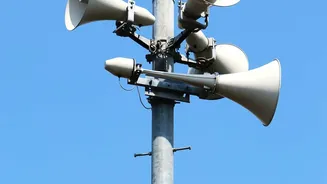









The Invisible Sound Fence
The core idea of acoustic pest control sounds like something from science fiction: broadcasting sound waves to create an inhospitable environment for unwanted critters. The headline specifies low-frequency sound, or infrasound (below 20 hertz), which
is largely inaudible to humans. Some research has explored using intense low-frequency resonance to lethally damage insects internally. However, the most common and commercially available technology actually operates on the other end of the spectrum: high-frequency ultrasound (above 20 kilohertz). These devices don’t aim to kill but to annoy. The high-pitched waves, also silent to people, are intended to disrupt pests' communication, navigation, and feeding habits, effectively creating an acoustic force field that encourages them to pack up and leave.
Rodents and Other Unwanted Visitors
The most documented success for acoustic repellents is with larger pests, particularly rodents. Multiple studies have shown that consistent ultrasonic emissions can disrupt the behavior of rats and mice, leading them to avoid treated areas. For an urban farm, where a rodent infestation can be disastrous, this is a significant advantage. The key to success, however, isn't just plugging in a device. Effectiveness hinges on the strategic placement of emitters, ensuring there are no sound-blocking obstacles like walls or dense foliage, and running them continuously. Some devices vary their frequency patterns to prevent pests from simply getting used to the noise, a common issue known as habituation. The technology has also been shown to be effective at deterring other animals sensitive to high frequencies, such as stray cats or deer, which can also be a nuisance in ground-level city gardens.
What About Insects?
When it comes to the smaller invaders—insects—the evidence for ultrasonic repellents is far more mixed. While many consumer-grade products claim to deter everything from mosquitoes to cockroaches, scientific reviews have often found the evidence to be limited or inconsistent for most insect species. Part of the reason is that many insects don't rely on the same type of hearing as mammals and may be completely unbothered by ultrasonic waves. That said, the field is evolving. More specialized research shows potential for using very specific frequencies to disrupt the mating behaviors of certain insects or using vibrational signals to confuse pests that communicate through solid surfaces, like plant stems. For now, urban farmers shouldn't expect an ultrasonic device to be a silver bullet for aphids or cabbage worms, but it might play a role against specific, sensitive insect species, especially in enclosed environments like greenhouses.
A Tool in the Modern Farmer’s Kit
Perhaps the most realistic way to view acoustic pest control is not as a standalone miracle cure, but as a valuable component of a larger strategy known as Integrated Pest Management (IPM). Urban farmers already use a mix of clever, low-impact techniques: physical barriers like row covers, introducing beneficial predator insects, and carefully timing their plantings to avoid peak pest seasons. In this context, an acoustic repeller fits perfectly. It's a non-toxic, eco-friendly tool that runs silently in the background, adding another layer of defense without harming beneficial pollinators, contaminating the soil, or disturbing the neighbors—a critical consideration in dense city settings. By reducing the overall pest pressure, these devices can make all the other management strategies more effective, contributing to a healthier, more resilient urban farm ecosystem.