







The New 30-Day Reality for Tourists
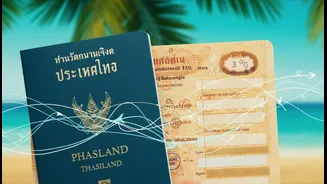
The biggest change for Indian tourists is the adjustment of the visa-free stay period. After a period of allowing 60-day stays, Thailand's cabinet has revised the policy. As of mid-July 2026, visa-free entry for Indian passport holders is now for a period of 30
days. This decision was made to align with the typical travel patterns of Indian visitors, who, on average, stay for about seven days. While this is a reduction from the previous 60-day allowance, it replaces the former Visa on Arrival system, streamlining entry. For most holidaymakers planning a standard one or two-week trip, this 30-day window is more than sufficient and has little impact on budgeting. However, those who had grown accustomed to planning longer, more immersive trips under the 60-day rule will now need to adjust their plans or explore other visa options.
Planning for a Longer Stay? Here Are Your Options
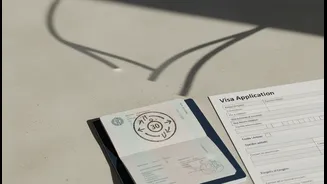
If a 30-day trip feels too short, don't worry. You can still plan for a longer Thai sojourn, but it requires more advance planning and a different budget consideration. The primary route for a longer holiday is to apply for a 60-day single-entry Tourist Visa (TR) before you leave India. This visa can typically be applied for online through the official e-Visa portal. Once in Thailand, this visa can often be extended for another 30 days at a local immigration office for a fee, potentially allowing for a total stay of up to 90 days. Budgeting for this involves factoring in the initial visa application fee (approximately ₹3,000) and the potential in-country extension fee (around 1,900 THB), in addition to the funds for the longer stay itself.
The 'Destination Thailand Visa' for Workcations
A major new development is the introduction of the Destination Thailand Visa (DTV), often called the 'digital nomad' visa. This is a game-changer for freelancers, remote workers, and others who want to combine work with travel. The DTV is a multiple-entry visa valid for five years. Each entry allows a stay of up to 180 days, which can be extended once for another 180 days, making a nearly year-long stay possible. The financial requirements are more significant; applicants must show proof of funds of at least 500,000 THB. The visa fee itself is around 10,000 THB, though this can vary by embassy. While not for the casual tourist, the DTV offers a legal way to enjoy an extended workcation in the country, but the budgeting must account for a much larger initial financial proof and the visa fee.
Essential Pre-Travel Checklist
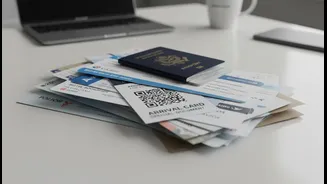
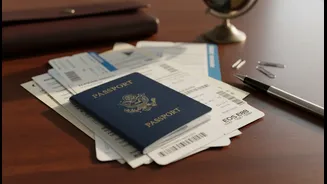
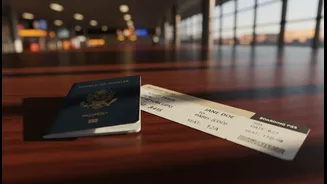
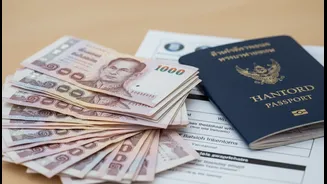
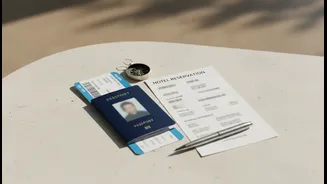
Regardless of your visa type, some rules are universal and have budgetary implications. First, all foreign nationals must complete the Thailand Digital Arrival Card (TDAC) online between 24 and 72 hours before arrival; this service is free on the official portal. Second, be prepared to show proof of sufficient funds. While not always checked, immigration officers have the discretion to ask for proof of 10,000 THB per person or 20,000 THB per family. This doesn't have to be entirely in cash, but you should be able to demonstrate financial capacity for your trip. You will also need proof of a return or onward flight ticket and accommodation bookings. Factoring these elements into your pre-trip planning ensures a smooth entry process without any last-minute financial stress at the airport.
Tying It All Together in Your Budget
So, what does this all mean for your wallet? For a short trip (under 30 days), your budgeting process remains largely the same: account for flights, accommodation, food, and activities. The visa is free, which is a bonus. For a mid-length trip (30-90 days), you must add the e-Visa application fee and a potential extension fee to your upfront costs. Your overall budget for accommodation and daily expenses will naturally be higher. For a long-term workcation (6+ months), the DTV is your path. This requires a significant financial proof of funds (though not a fee), plus the visa cost itself. This option is for those with a stable remote income who can support a longer-term stay. The new policies provide a clear tiered system: the shorter your planned stay, the simpler and cheaper the process. The longer you wish to remain, the more formal and financially demanding the requirements become.