



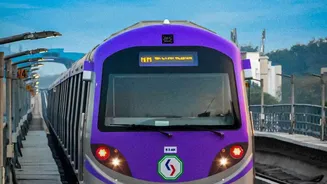
A New Daily Record
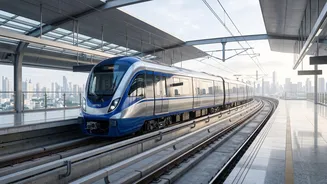
On November 2, 2026, the driverless trains operating on the Delhi Metro's Magenta and Pink lines served an unprecedented 1.6 million passengers. This single-day figure, driven by heavy pre-Diwali travel, represents a significant portion of the entire
metro network's daily average of about eight million commuters. To put the number in perspective, it is more than the entire population of Arunachal Pradesh, according to the 2011 census. This surge in ridership underscores the increasing reliance of Delhi's commuters on this high-tech transportation corridor.
The 120-Kilometre Automated Network
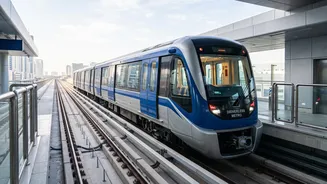
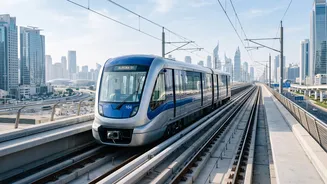
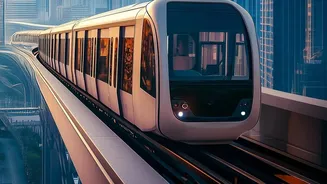
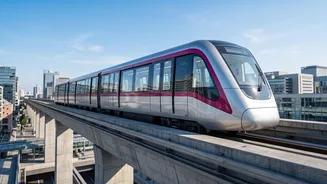
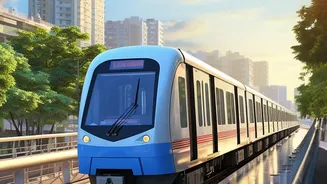
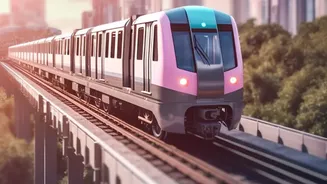
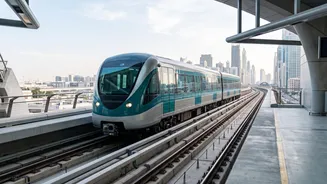
The record was achieved across the combined 120-kilometre stretch of the Pink and Magenta lines, which are equipped for Unattended Train Operation (UTO). This automated network, which accounts for nearly 30% of Delhi Metro's total operational length, is one of the largest of its kind in the world. The Magenta Line, India's first driverless line, was inaugurated in December 2020. The successful operation of these two lines, with a fleet of 100 automated trains, has positioned the Delhi Metro Rail Corporation (DMRC) as a global leader in urban transit technology.
How Driverless Technology Works
The magic behind these driverless trains is a sophisticated signalling system called Communication-Based Train Control (CBTC). Unlike traditional systems that rely on fixed track sections to separate trains, CBTC uses continuous, high-resolution radio communication to know the exact position of every train in real-time. This allows trains to run closer together safely, dramatically increasing frequency to as little as 90 to 100 seconds between services. The entire operation is monitored from a central control centre, which manages everything from train speed and braking to door operations and onboard announcements, virtually eliminating the possibility of human error.
Benefits for the Daily Commuter
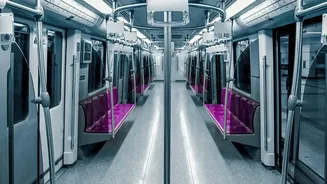
For the millions of people navigating the capital city, this technology translates into tangible improvements. The primary benefit is enhanced frequency and reliability. Automated systems allow DMRC to be more flexible with service scheduling, adding more trips during peak hours with greater ease. Furthermore, the trains conduct exhaustive self-tests before entering service each day, which has significantly improved the overall dependability of the fleet. This means fewer delays, more predictable travel times, and a smoother journey for passengers. Platform Screen Doors (PSDs), a key feature of these lines, also enhance safety by preventing accidental falls onto the tracks.
A Model for India's Future
The success of Delhi's driverless network has sparked a national conversation about adopting similar technology in other Indian cities. Metro services are now operational in 26 cities across the country, and the DMRC's achievement serves as a powerful case study. While some officials have raised concerns about the high initial capital costs, DMRC's managing director, Vikas Kumar, has advocated for wider adoption, highlighting the long-term gains in operational flexibility and efficiency. Addressing concerns about job losses, the DMRC has confirmed that train operators from these lines have been redeployed to other roles like station management, with no layoffs since the transition began in 2020.