





Beyond the Bucket List
Let’s be honest: how many of your holidays have felt like a race against time? A frantic dash from monument to museum, with more time spent in transit than in the moment. You return home with a camera roll full of photos but a vague, nagging feeling of exhaustion.
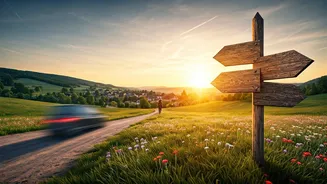
This is checklist tourism, the art of collecting destinations like trophies. Slow travel is the antidote. It’s not about being lazy or inefficient; it’s about being intentional. It means choosing to explore one neighbourhood over a whole city, one region over an entire country. It’s about trading the packed itinerary for unplanned afternoons, swapping the blur of a bus window for the steady rhythm of a long train journey, and prioritising connection over collection.
Redefining What's 'Luxe'
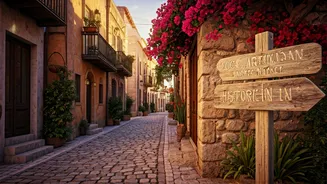
For decades, luxury travel was defined by opulence: five-star hotels, private jets, and exclusive access. While those things can be pleasant, they often insulate us from the very places we’ve travelled to see. The true currency of modern luxury is not money, but time. In a world that demands we be constantly available, productive, and online, the ability to disconnect, to be fully present, and to move at a human pace is the ultimate status symbol. Slow travel offers this in abundance. The luxury is in having the time to read a book in a local cafe, to learn a few phrases of a new language from a shopkeeper, to have a conversation that isn’t rushed, and to let a place slowly reveal its secrets to you.
The Indian Advantage
Perhaps no country is better suited to the slow travel philosophy than India. We are a nation of immense diversity, where the culture, cuisine, and dialect can change every hundred kilometres. Trying to 'do' India in two weeks is a fool’s errand. But spending two weeks exploring the backwaters of Kerala, delving into the culinary traditions of a single district in Rajasthan, or hiking between villages in the Himalayas? That is where the magic lies. Think of the unhurried joy of a long journey on the Konkan Railway, watching the landscape shift from green fields to coastal vistas. Or settling into a homestay in Coorg or Goa, not for a weekend, but for a week, and becoming part of the local rhythm. This is travel that nourishes the soul, not just the Instagram feed.
The Real Souvenirs
The tangible benefits of slowing down are profound. You absorb more, forming a deeper understanding of the local culture and history. Your interactions become more meaningful; people are more likely to open up when they don’t feel like just another stop on your tour. The memories you create are richer and more vivid. You remember the taste of the chai you shared with a local family, the sound of the evening temple bells, the feeling of the sun on your skin during an unplanned walk. These are the souvenirs that last a lifetime, long after the trinkets have gathered dust. Furthermore, slow travel is often more sustainable, supporting local economies directly and reducing the carbon footprint associated with rapid, multi-destination trips.