




Why Protein Quality Matters More Than Quantity
Counting protein in grams is a common starting point for anyone focused on fitness. After a tough workout, protein is essential for repairing and rebuilding muscle fibres through a process called muscle protein synthesis. However, not all protein is created
equal. The real value lies in its 'quality', which is determined by two main factors: its amino acid profile and its digestibility. Proteins are made of building blocks called amino acids. There are nine essential amino acids that our bodies cannot produce, so we must get them from food. For effective muscle repair, a protein source must contain all nine of these in sufficient amounts. Many plant-based proteins, unlike most animal sources, are 'incomplete', meaning they are low in one or more essential amino acids.
The Old Score: Understanding PDCAAS
For decades, the standard for measuring protein quality was the Protein Digestibility-Corrected Amino Acid Score (PDCAAS). This score evaluates a protein based on its amino acid profile and how much of it is digested. It’s scored on a scale up to 1.0, with sources like whey and soy protein isolate often receiving a top score. However, PDCAAS has a significant limitation: it truncates scores at 1.0. This means it can't distinguish between a good protein and an excellent one. For example, both whey protein and soy isolate might score a 1.0, even though whey may be more efficiently used by the body. This system can sometimes over-estimate the value of certain plant proteins.
The New Gold Standard: Why DIAAS is a Game-Changer
To get a more accurate picture, scientists now favour the Digestible Indispensable Amino Acid Score (DIAAS). Recommended by the UN's Food and Agriculture Organization (FAO) to replace PDCAAS, this metric offers a more precise assessment. DIAAS measures the digestibility of each individual amino acid at the end of the small intestine, providing a truer reflection of what your body actually absorbs. Crucially, DIAAS scores are not capped at 100 (or 1.0), allowing for a clear ranking of protein quality. This reveals that many animal proteins like whey (DIAAS score around 109-125) have a higher quality than even the best single-source plant proteins like soy isolate (around 90) or pea protein (around 82-91).
How Plant Proteins Stack Up
When viewed through the DIAAS lens, it's clear that most single-source plant proteins are less potent for muscle building than their animal-based counterparts on a gram-for-gram basis. This is often due to a lower content of key essential amino acids like leucine, which is a primary trigger for muscle protein synthesis, or lysine and methionine. For instance, rice protein is low in lysine, while many legumes are low in methionine. However, this doesn't mean a plant-based diet can't support elite fitness. Soy is a standout, with a high DIAAS score that makes it a strong competitor. And with the right strategy, other plant proteins can be just as effective.
The Smart Solution: The Power of Combination
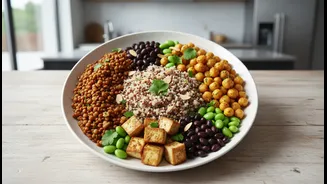
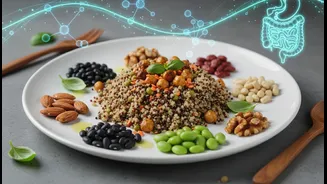
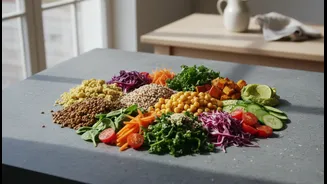
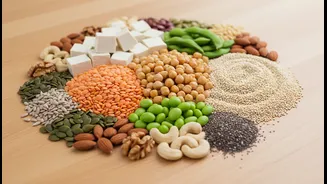
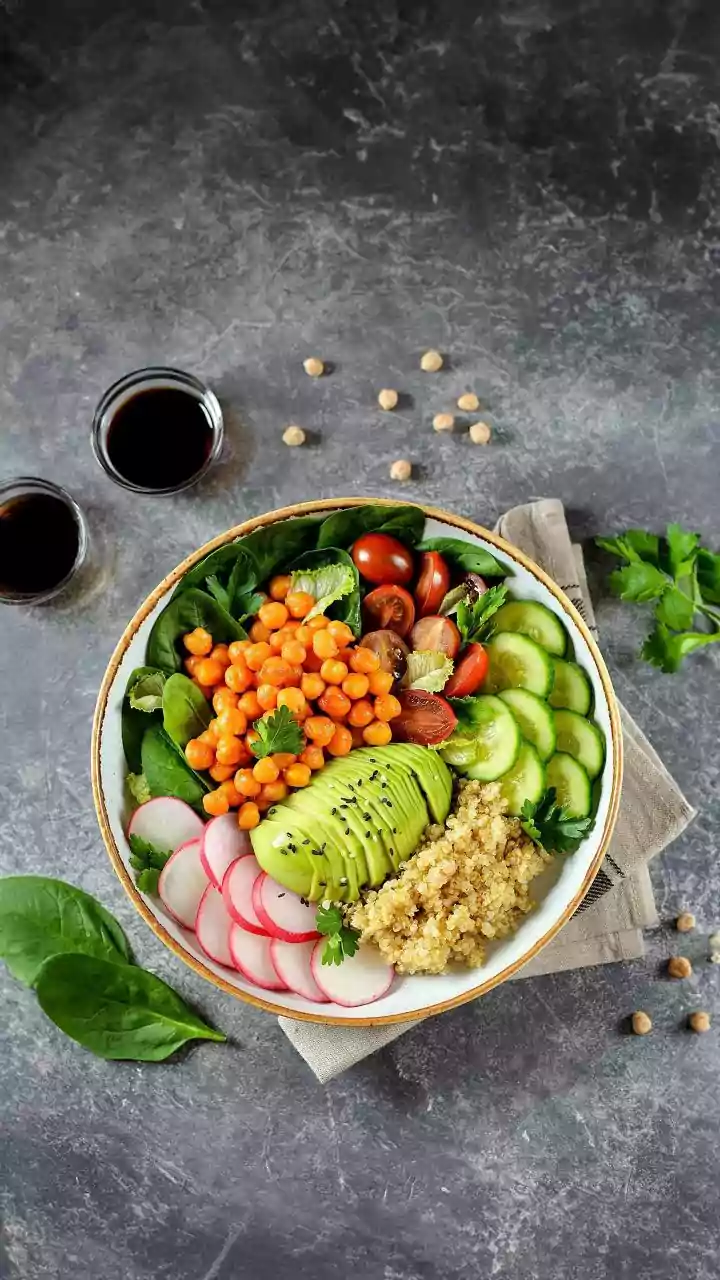
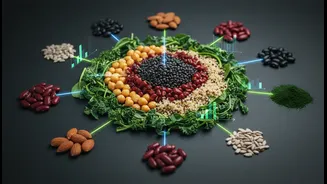
The key to maximising muscle recovery on a plant-based diet is protein combining. By eating different plant foods together, you can create a 'complete' protein profile that provides all nine essential amino acids. This is a concept that has been part of traditional diets for centuries. The classic pairing of rice and beans is a perfect example: rice is low in lysine but high in methionine, while beans are the opposite. Together, they form a complete protein. Other powerful combinations include hummus (chickpeas and sesame seeds) with pita bread, or a peanut butter sandwich on whole-grain bread. Recent studies show that well-formulated plant protein blends can stimulate muscle recovery at levels comparable to whey, especially when consumed in adequate doses. By eating a varied diet throughout the day, you can ensure your body gets all the building blocks it needs.