






India's spinning mills, the backbone of its massive textile industry, have been navigating a severe crisis driven by a significant cotton shortage and soaring prices. Now, a crucial government intervention is providing a much-needed lifeline.
Anatomy of a Supply Crisis
The Indian
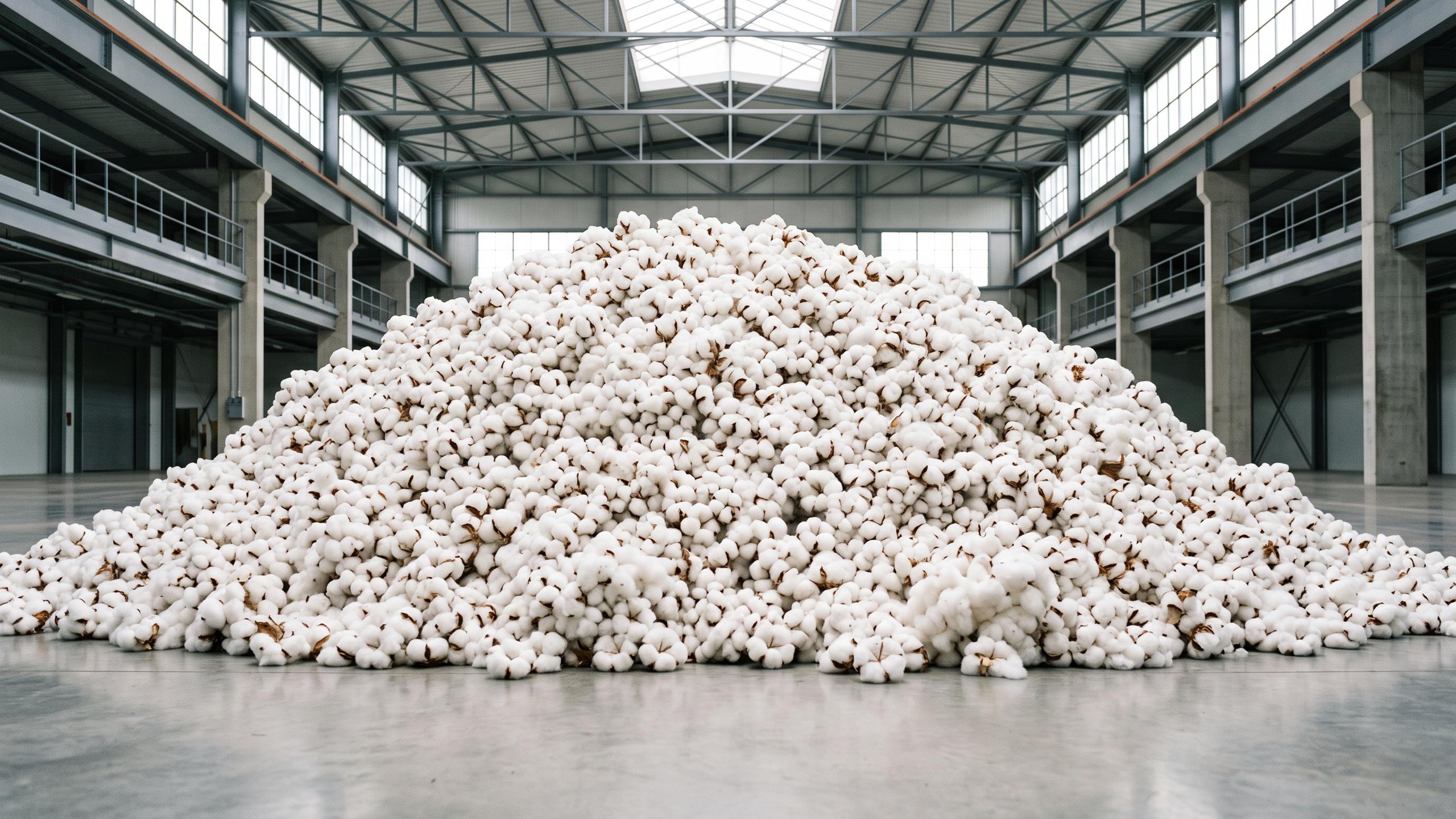
textile industry is facing a significant raw material deficit. For the 2026-27 season, domestic cotton production is projected to fall below 29 million bales, while the demand from mills is expected to exceed 34 million bales. This widening gap is the result of several factors, including patchy monsoon rainfall, high temperatures affecting crops in key growing states like Maharashtra and Karnataka, and the use of outdated seed technology that leaves plants vulnerable to pests. As a result, domestic cotton prices have surged, remaining well above the government's Minimum Support Price (MSP), putting immense financial pressure on spinning mills that depend on a steady, affordable supply of cotton to operate. This has created a precarious situation where mills struggle with high input costs, threatening their operational viability and competitiveness.
The Government's Policy Pivot
In response to the escalating crisis and appeals from industry bodies like the Confederation of Indian Textile Industry (CITI), the government implemented a key policy change. It temporarily removed the 11% customs duty on cotton imports. This measure was first introduced for a five-month window from June 1, 2026, to October 31, 2026, specifically to help mills manage supplies during the lean season before the new domestic harvest arrives. The objective was to cool down domestic prices, improve the availability of raw material for the textile value chain, and ease the cost pressure on manufacturers, particularly small and medium-sized enterprises (SMEs). As of late October 2026, with the domestic shortfall persisting, the government is actively considering an extension of this duty-free window through December 2026.
Unlocking the Global Supply Chain
The removal of the import duty directly addresses the core problem for spinning mills: access to affordable raw materials. By making imported cotton cheaper, the directive allows mills to source cotton from international markets like the United States, Brazil, and Australia at more competitive rates. This is crucial not just for price, but also for quality, as mills often need to import specialised cotton varieties to meet the exacting standards of international buyers and fulfill high-value export orders. The immediate impact has been a softening of domestic cotton prices as the prospect of cheaper imports creates more supply-side competition. This policy enables mills to maintain production schedules, prevent shutdowns, and safeguard jobs in a sector that is one of India's largest employers.
A Lifeline for the Entire Textile Sector
The benefits of the revised import rules extend far beyond the spinning mills. A stable supply of cotton yarn at reasonable prices is essential for the entire downstream textile ecosystem, including weaving, processing, and garment manufacturing. By preventing a raw material crunch at the spinning stage, the policy helps ensure that the entire value chain remains operational and competitive. This is particularly important as India aims to boost its textile and apparel exports, which are targeted to reach $100 billion by 2030. With new Free Trade Agreements (FTAs) with partners like the UK expected to increase export orders, ensuring raw material security is paramount to capitalizing on these opportunities and competing with other major textile hubs like Bangladesh and Vietnam.
Not a Permanent Fix
While the duty_free import window provides critical short_term relief, industry experts and officials acknowledge it is not a long_term solution. The reliance on imports exposes mills to global price volatility, freight costs, and currency fluctuations, which can offset some of the benefits. Furthermore, some groups have raised concerns that extending duty_free imports into the domestic harvest season could negatively impact the prices received by Indian cotton farmers. Recognizing this, the government is also pursuing long_term domestic solutions. The Mission for Cotton Productivity, approved in May 2026, aims to improve domestic supply by investing in higher_yielding seeds, modern cultivation methods, and better processing infrastructure to strengthen India's cotton ecosystem from the farm level upwards.