

Stage 1: Storing Raw Ingredients
Proper meal prep begins before you even chop a single vegetable. How you store your raw ingredients sets the foundation for freshness and food safety. Keep raw meats, poultry, and seafood separate from all other foods to prevent cross-contamination. Use
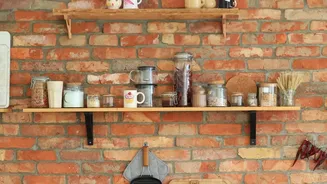
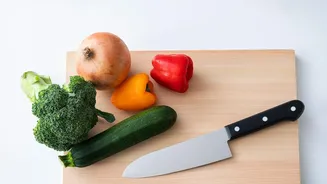
dedicated shelves in your refrigerator, preferably the bottom shelf for meats to prevent juices from dripping onto other items. For fresh produce, preparation is key. Wash and thoroughly dry leafy greens, then store them in containers lined with a paper towel to absorb excess moisture, which can extend their life for several days. Hardier vegetables can be stored whole, while fruits prone to browning, like apples, benefit from a splash of lemon juice after slicing. Group ingredients for specific recipes together in your fridge or pantry to make finding them effortless.
Stage 2: The 'Mise en Place' or Prepped Components
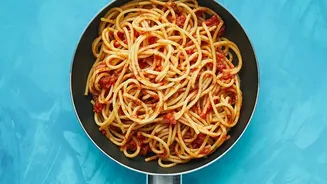
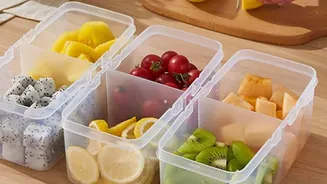
Mise en place, a French term for 'everything in its place', is the secret weapon of professional chefs and a game-changer for home cooks. This is the intermediate stage where your ingredients are prepped but not yet cooked. Think chopped onions, marinated chicken, or blended sauces. For this stage, small, uniform containers are your best friend. Clear deli containers or small glass bowls are perfect for holding individual prepped items, allowing you to see everything at a glance. This method not only keeps you organized but also speeds up the actual cooking process immensely. You can simply grab and go, adding components to the pan without pausing to chop. Storing these prepped items in airtight containers in a designated 'prep zone' in your fridge ensures they stay fresh until you're ready to cook.
Stage 3: Housing Fully Cooked Meals
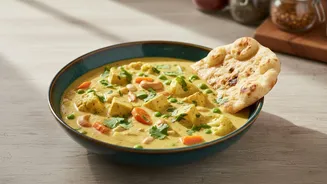
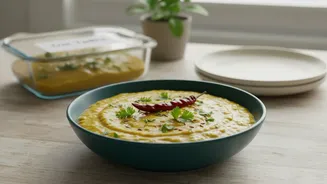
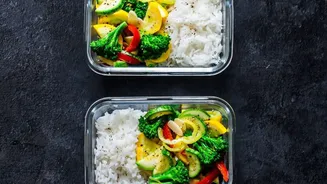
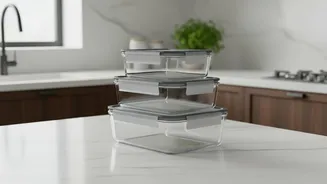
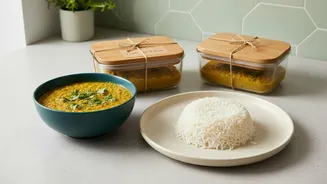
Once your meals are cooked, proper storage is crucial for maintaining flavour, texture, and safety. The first rule is to cool food promptly before refrigerating; food should not be left in the 'temperature danger zone' (between 40°F and 140°F) for more than two hours. To speed up cooling, divide large batches into smaller, shallow containers. For finished meals, invest in high-quality, airtight containers. Glass containers are an excellent choice as many are oven and microwave-safe, allowing you to reheat food in the same vessel you stored it in. If you're prepping for the week, meals stored in the refrigerator should generally be consumed within three to four days. For longer-term storage, the freezer is your best option, where meals can last for months.
Choosing the Right Containers for Each Stage
While you can use the same containers for different stages (as long as they are washed properly), optimizing your collection helps. For raw ingredients, large bins or the original packaging might suffice. For the 'mise en place' stage, small, stackable containers, whether glass, stainless steel, or plastic, are ideal for keeping chopped ingredients separate and visible. When it comes to cooked meals, consider how you’ll be eating them. If you reheat in a microwave, ensure your containers are microwave-safe. If you prefer an oven, tempered glass is the way to go. For salads, mason jars are a popular choice as they allow you to layer ingredients, keeping dressings separate and greens crisp. Having an organized system for your containers and lids in a dedicated drawer or cabinet also prevents clutter and stress.
The Final Touch: Labeling and Organization
An organized storage system is only as good as your ability to identify what's inside. Labeling is a non-negotiable step in a smart meal-prep routine. Clearly label every container with the name of the dish and the date it was prepared. This helps you keep track of freshness and reduces food waste. Employ the 'First-In, First-Out' (FIFO) method: place newer items at the back of the fridge or freezer and move older items to the front. This ensures you use up food before it expires. Arranging your fridge and freezer by zones—raw ingredients on the bottom, prepped components on a middle shelf, and ready-to-eat meals at eye level—completes your efficient, stage-based storage system, making every part of the meal process, from prep to plate, a breeze.