



The Superiority of Steel-Cut Oats
Before diving into the method, it’s worth remembering why steel-cut oats are a superior choice for a hearty breakfast. Unlike rolled oats, which are steamed and flattened, steel-cut oats are simply whole oat groats chopped into smaller pieces. This minimal
processing means they retain more of their structure, resulting in a chewier texture and a nuttier flavour. Nutritionally, they have a slight edge, boasting more fibre and a lower glycemic index (GI). A lower GI means they are digested more slowly, leading to a gradual rise in blood sugar instead of a spike, which helps you feel fuller for longer and provides sustained energy. This makes them an excellent choice for weight management and for individuals monitoring their blood sugar.
The Milk Advantage: Creaminess and Nutrition
While water is a perfectly acceptable liquid for cooking oats, using milk—or a combination of milk and water—is a transformative upgrade. The primary benefit is texture; milk creates a significantly creamier, richer porridge that feels more luxurious. Beyond taste, milk boosts the nutritional profile of your breakfast. It adds high-quality protein, which contributes to satiety, and essential nutrients like calcium and vitamin D, crucial for bone health. Using whole milk will yield the creamiest result, while 2% still offers a rich flavour. Even dairy-free milks can be used to achieve a creamier consistency than water alone.
Perfecting the Liquid-to-Oat Ratio
One of the most critical factors in achieving the perfect porridge is the ratio of liquid to oats. Steel-cut oats absorb a lot of liquid as they cook. A widely recommended starting point is a 4:1 ratio of liquid to oats—for example, four cups of liquid for one cup of dry oats. Many find that a combination, such as three cups of water and one cup of milk, provides the ideal balance, preventing the milk from scorching while still delivering a creamy finish. If you prefer a thicker, more textured porridge, you can reduce the liquid to a 3:1 ratio. It's always best to start with a 4:1 ratio and adjust as you learn your preference; you can always add a splash more milk toward the end of cooking to thin the porridge if it becomes too thick.
Mastering the Stovetop Method
Cooking steel-cut oats with milk requires a bit more attention than with water to prevent scorching. First, consider toasting the dry oats in a pan for about three minutes until fragrant; this optional step enhances their natural nutty flavour. Next, bring your liquid (milk, or a milk-water combination) to a gentle simmer in a heavy-bottomed saucepan over medium-low heat. Avoid a rolling boil, which can cause the milk to scorch and create a gluey texture. Once simmering, stir in the oats and a pinch of salt, which enhances the flavour. Reduce the heat to low and let the porridge cook for 25 to 30 minutes, stirring occasionally to prevent sticking. The oats are ready when they are tender and have absorbed most of the liquid. For an even quicker morning routine, you can soak the oats overnight in the refrigerator, which significantly cuts down on cooking time.
Common Pitfalls and Simple Solutions
Two main issues can arise when cooking oats with milk: boiling over and sticking to the pan. Using a larger, heavy-bottomed pot helps manage both problems. Keeping the heat low and maintaining a gentle simmer, rather than a boil, is the most effective way to prevent the milk from scorching on the bottom or foaming over the top. Frequent stirring, especially during the last 10 minutes of cooking, is crucial to prevent the oats from sticking as they thicken. If your porridge becomes too thick, simply stir in a splash of warm milk until you reach your desired consistency. Conversely, if it seems too thin, let it simmer for a few more minutes, as it will continue to thicken as it rests.
Elevate Your Bowl with Toppings
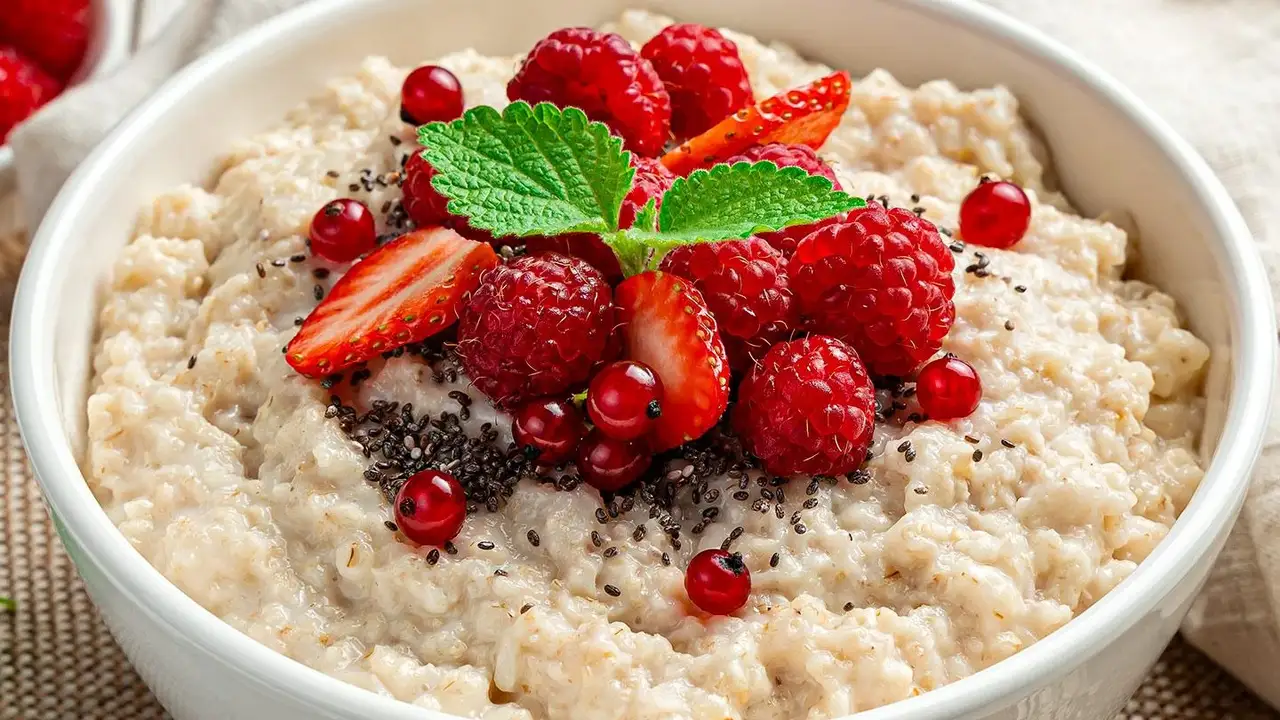
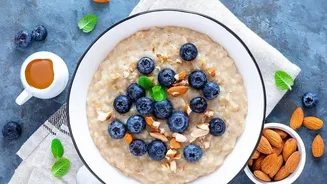
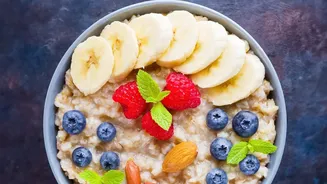
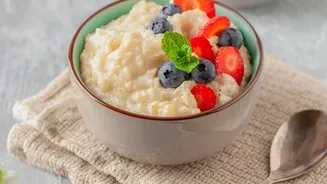
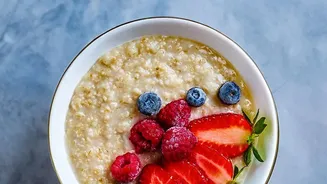
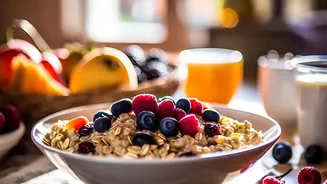
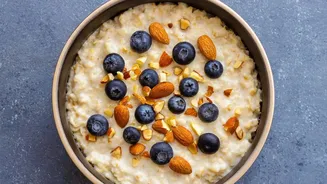
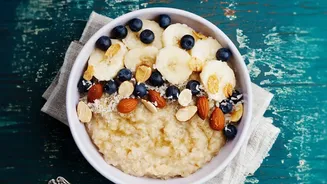
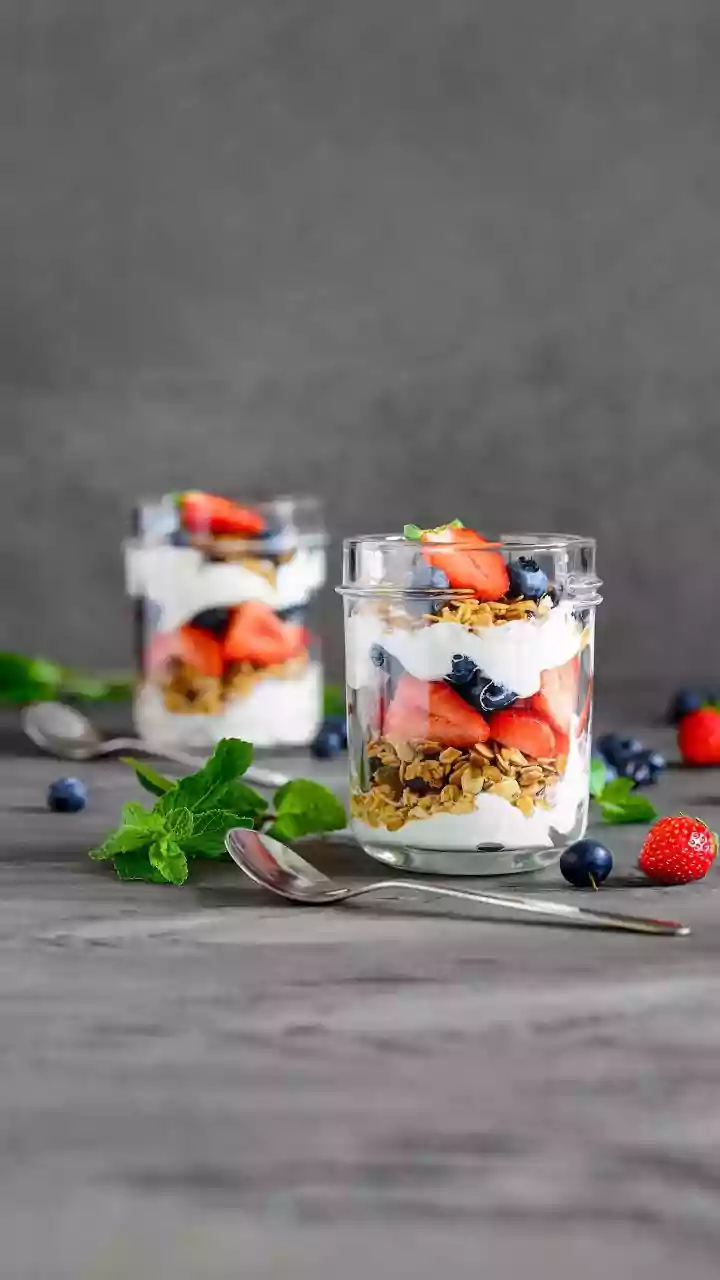
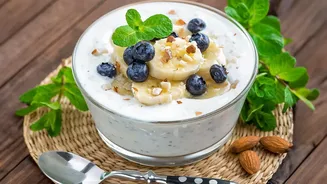
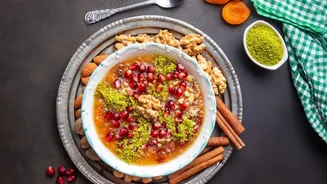
A bowl of milk-based porridge is a delicious blank canvas. For a touch of sweetness, consider natural options like jaggery, honey, or a drizzle of maple syrup. Spices such as cinnamon or cardamom can be stirred in during the last few minutes of cooking to infuse the porridge with warmth. For texture and added nutrients, top your bowl with fresh fruits like bananas or berries, a handful of toasted nuts like almonds or walnuts, and a sprinkle of seeds such as flax or chia. To preserve the texture of fresh fruit, add it just before serving rather than cooking it with the oats.