

The Deceptive Charm of a Shoulder Season
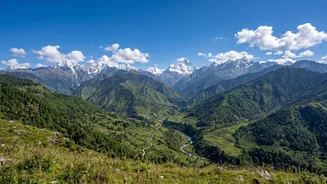
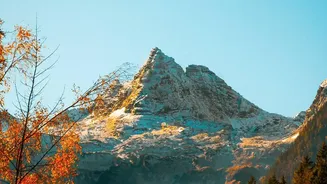
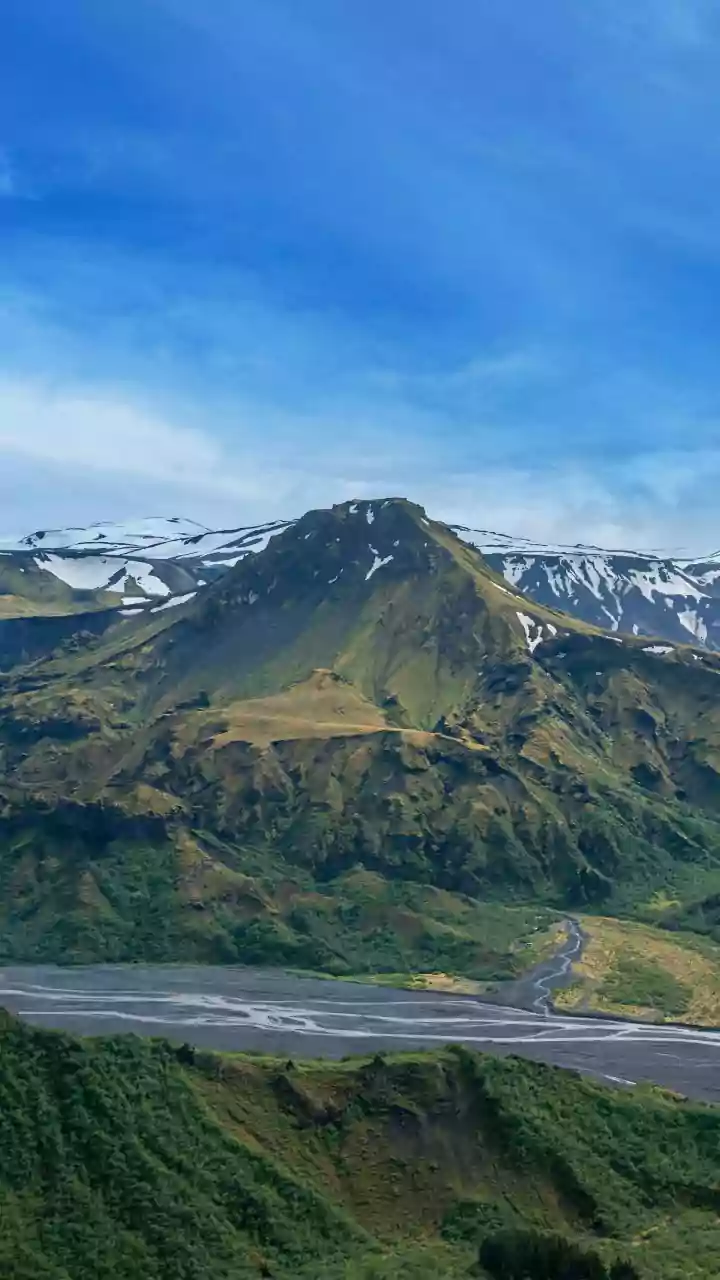
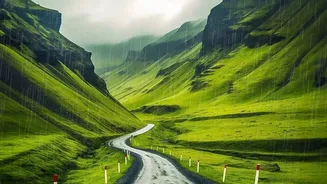
September sits in a sweet spot for mountain travel in India. The heavy monsoon rains have typically begun to recede, leaving behind lush, vibrant greenery and brilliantly clear skies. It's a 'shoulder season' when the peak summer crowds have thinned,
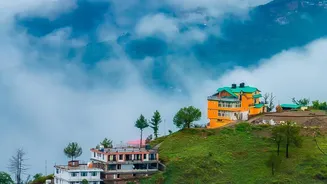
and the harsh winter has yet to arrive, offering a sense of tranquillity. However, this beauty is deceptive. The tail end of the monsoon can still bring significant rainfall, and the transition to autumn creates highly unpredictable weather patterns. While some regions like Ladakh and Spiti are in their prime due to being in a rain-shadow area, other parts of the Himalayas, particularly in Himachal Pradesh and Uttarakhand, remain vulnerable. The ground is often saturated from months of rain, creating a hidden danger even on sunny days.
Post-Monsoon Risk: Landslides and Damaged Roads
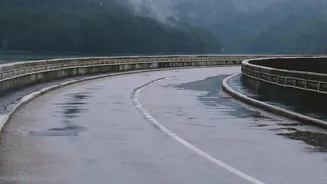
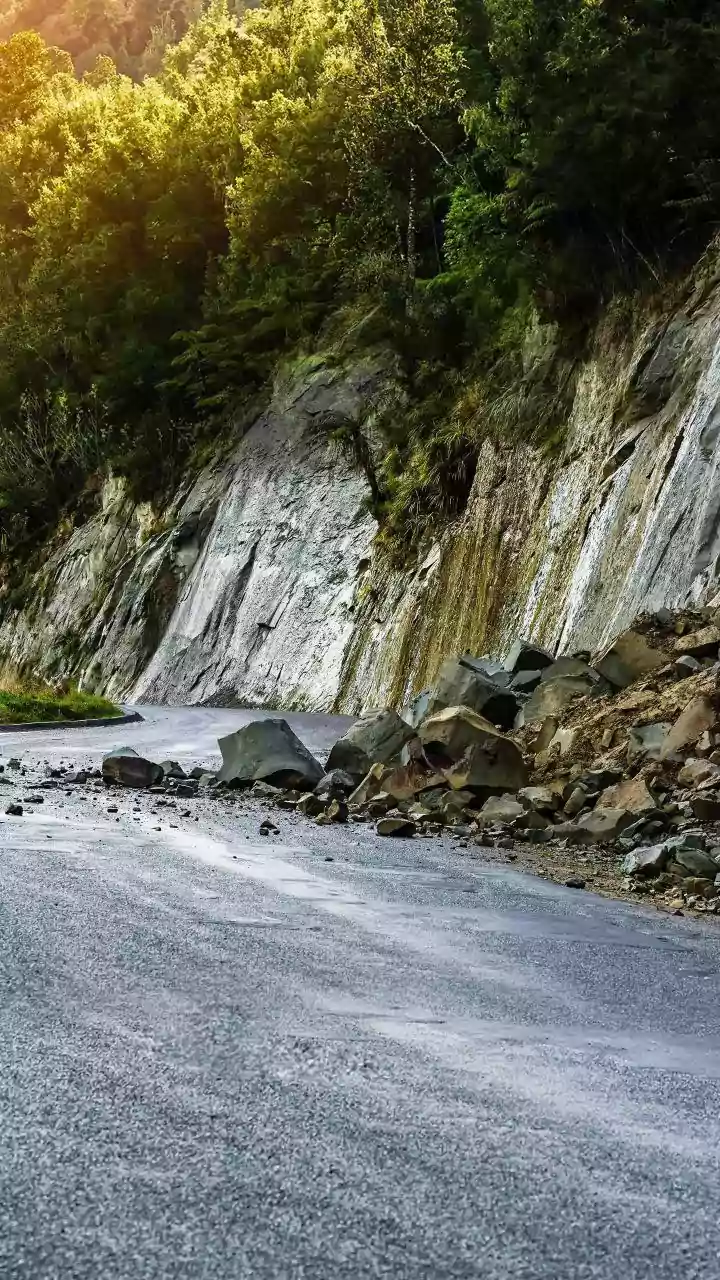
The single greatest threat to September mountain travel is landslides. Even after the rain stops, the soil on steep slopes remains waterlogged and unstable. This can lead to sudden and catastrophic landslides that can block roads for hours or even days. Recent reports from early September 2026 highlight ongoing issues, with dozens of roads blocked in Himachal Pradesh and Uttarakhand due to landslides and heavy rain. For travellers, this means an itinerary must be flexible. A journey that should take a few hours can be indefinitely delayed, and in worst-case scenarios, entire sections of highways can be washed away. Authorities frequently advise tourists to avoid landslide-prone areas and stay away from rivers and streams, which can swell unexpectedly.
The Chill Factor: Drastic Temperature Drops and Early Snow
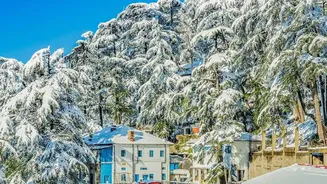
While lower altitudes might still feel pleasant, September marks a noticeable drop in temperature in the high mountains. Daytime weather can be sunny and warm, but as soon as the sun sets, temperatures can plummet, often falling close to or below freezing at night in places like Spiti or near high-altitude lakes. This is especially true for trekkers and campers. What starts as a comfortable day can quickly become a dangerously cold night. Furthermore, late September can bring the season's first snowfall on high passes, such as those on the Manali-Leh route or in parts of Uttarakhand. An unexpected snowstorm can lead to sudden road closures, trapping travellers and disrupting plans. Never assume September will be warm; the altitude dictates the weather more than the calendar.
How to Plan and Pack Smartly
Given the unpredictability, preparedness is key. First, build buffer days into your itinerary. This prevents the stress of a missed flight or connection if a road closure holds you up. Second, pack in layers. Your bag should contain quick-drying base layers, a warm fleece or mid-layer, and a waterproof and windproof outer jacket. Sturdy, waterproof hiking shoes with good grip are non-negotiable, as trails and roads can be slippery and muddy. Also essential are a warm hat, gloves, and several pairs of wool or synthetic socks. Finally, always carry a basic first-aid kit, a power bank for your phone, and download offline maps, as connectivity in remote areas is often unreliable.
Staying Informed: Your Most Important Safety Tool
Before and during your trip, make checking weather and road conditions a daily habit. Rely on official sources like the India Meteorological Department (IMD) for forecasts and warnings. State disaster management authorities and local police also provide real-time updates on road blockages and safety advisories. Don't just rely on a forecast from a week ago; conditions change rapidly. When you arrive at your destination, speak with local contacts like your hotel manager, taxi drivers, or guides. They possess invaluable, up-to-the-minute knowledge of local road conditions and potential hazards that you won't find on a national weather app. Heeding their advice can be the most important decision you make on your trip.