



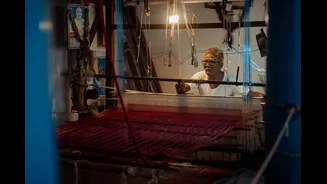
The New Weave of Popularity
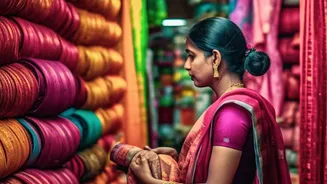
The hum of the loom is getting louder across India, powered by a convergence of conscious consumerism, design innovation, and government support. Today's buyers are increasingly drawn to sustainable, authentic goods, making handwoven textiles a natural
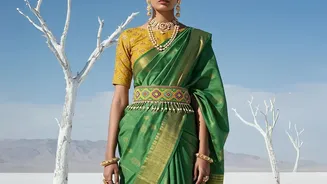
choice for those moving away from fast fashion. This shift has been amplified by Indian designers who are reimagining traditional fabrics into contemporary silhouettes like jackets, co-ord sets, and dresses, proving that heritage can be effortlessly modern. Government initiatives like National Handloom Day, celebrated annually on August 7th, further boost visibility and honour the sector's 3.5 million workers, over 72% of whom are women. Schemes such as the National Handloom Development Programme (NHDP) and financial support through the MUDRA scheme aim to strengthen the ecosystem from the ground up.
The Fine Line of Craft Dilution
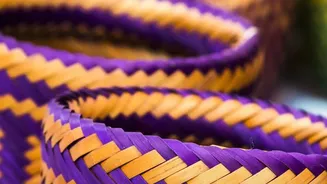
But this renewed popularity comes with a significant risk: craft dilution. This isn't just about outright fakes, like power loom fabrics sold with handloom labels, which is a major challenge. Dilution can be more subtle. It happens when complex, time-honoured motifs are oversimplified for mass production, when synthetic yarns replace natural fibres to cut costs, or when traditional dyeing processes are abandoned for quicker, cheaper chemical alternatives. This erosion of technique not only devalues the craft but also threatens the generational knowledge of artisan communities. When the market rewards speed and low costs over skill and authenticity, it creates economic pressure that can lead to the gradual extinction of irreplaceable weaving traditions.
Redefining Relevance, Responsibly
Achieving relevance without dilution is the central challenge, and many are rising to meet it. Designers are proving that innovation doesn't have to mean compromising the craft's soul. Instead of altering core weaving techniques, they experiment with modern colour palettes, lighter silhouettes, and versatile styling to make handloom suitable for everyday wear. This approach respects the fabric as the hero, allowing its texture and story to shine. The goal is to change how people connect with handloom, framing it not as a fragile relic but as a dynamic and desirable part of a modern, global wardrobe. This shift turns a purchase from an obligation to preserve tradition into a genuine desire to own a piece of living history.
The Weaver at the Center
For the revival to be truly successful, it must be economically viable for the artisans themselves. For too long, weavers have faced challenges like low and irregular incomes, fluctuating raw material costs, and dependency on middlemen who absorb most of the profits. Reports indicate that a significant number of weavers earn less than ₹5,000 a month, making it difficult to attract the next generation to the profession. The most effective revival models place weavers at the heart of the business. This includes promoting direct-to-consumer platforms that cut out intermediaries, ensuring fair wages, and giving artisans a voice in the design process. When weavers are empowered as creative and economic stakeholders, the entire sector becomes more resilient.
Charting a Path with Authenticity
Several tools are proving effective in protecting both the craft and the consumer. Geographical Indication (GI) tags are one of the most powerful, offering legal protection to textiles linked to a specific region and traditional method, such as Banarasi or Kanchipuram silks. A GI tag is a guarantee of origin and method, shielding authentic weaves from a market flooded with imitations and ensuring the economic value flows back to the specific artisan communities. Alongside legal frameworks, consumer education and technology are vital. Digital marketplaces and social media offer unprecedented transparency, allowing brands to share the story behind each textile and connect buyers directly with the craft's origins, fostering a deeper appreciation for what makes each handwoven piece unique.