






The Green Purifier Myth
The idea that a few potted plants can scrub your home's air clean is a persistent and appealing one. This concept largely stems from a 1989 NASA study that found common houseplants could remove pollutants like benzene and formaldehyde in a sealed chamber.
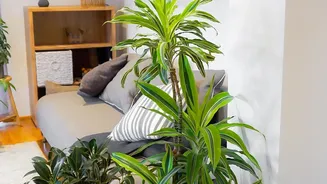
The results were promising, showing plants did have an effect in a controlled lab setting. However, subsequent research has shown that translating these findings to a typical home or office is problematic. Our living spaces are not sealed chambers; they have complex airflow from doors, windows, and ventilation systems. To achieve the same air-cleaning effect as a single, modest air purifier, you would need to turn your living room into an impassable jungle, with some estimates suggesting anywhere from 10 to 1,000 plants per square metre.
What Plants Actually Do for Your Home
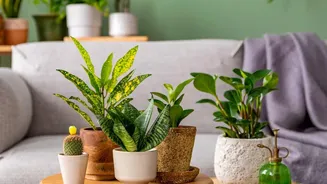
This isn't to say you should abandon your leafy friends. While they aren't a substitute for mechanical filtration, houseplants offer tangible benefits. They are known to boost mood, reduce stress, and add a vital connection to nature within our homes. Some studies suggest they can also help regulate humidity and absorb small amounts of certain pollutants over time. However, they are not effective at removing the airborne particles that trigger most allergies and asthma, such as dust, pollen, and pet dander. In fact, poorly maintained plants can sometimes introduce mould into the air, potentially worsening respiratory issues for sensitive individuals. Think of plants as a wonderful aesthetic and psychological enhancement to your space, not as the primary tool for air purification.
How Air Purifiers Really Work
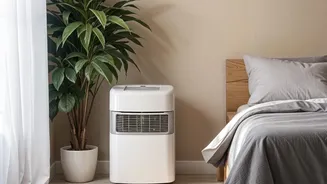
When it comes to efficiently and quickly removing a wide range of pollutants, an air purifier is the clear winner. These devices are engineered for one purpose: to clean the air. Most quality units use a combination of filters, including a HEPA (High-Efficiency Particulate Air) filter. A True HEPA filter is certified to capture 99.97% of airborne particles as small as 0.3 microns. This includes common irritants like dust mites, pet dander, pollen, and mould spores that plants simply cannot trap. Many purifiers also include an activated carbon filter, which is designed to absorb gases, smoke, and volatile organic compounds (VOCs) that cause odours. By actively pulling room air through these dense filters multiple times an hour, a purifier can dramatically reduce the concentration of airborne contaminants.
The Key Metric: Clean Air Delivery Rate (CADR)
Simply buying an air purifier isn't enough; you have to get the right one for your space. The single most important metric for this is the Clean Air Delivery Rate, or CADR. Developed by the Association of Home Appliance Manufacturers (AHAM), CADR measures how quickly a purifier cleans a room of specific pollutants (dust, pollen, and smoke), expressed in cubic feet per minute (CFM). A higher CADR number means the unit can filter the air faster and more efficiently. It's a standardized rating, which allows for a direct comparison between different models and brands, cutting through marketing jargon.
Matching the Purifier to Your Room
The golden rule for choosing the right size is to match the purifier's CADR to your room's square footage. A widely accepted guideline is the 'two-thirds rule': the smoke CADR rating of the purifier should be at least two-thirds of your room's area in square feet. For example, a 150-square_foot room would require a purifier with a smoke CADR of at least 100. For rooms with ceilings taller than eight feet, you'll need an even more powerful unit because the total volume of air is greater. Another important factor is Air Changes per Hour (ACH), which tells you how many times the purifier can clean the entire volume of air in a room every hour. For general freshness, 2–3 ACH is fine, but for allergy sufferers or homes with smokers or pets, aiming for 4–5 ACH or more is recommended to keep pollutant levels low.